
The breed
Ragdoll Cats: Personality, Care & Breed Guide
Everything you need to know about one of the most people oriented cat breeds in the world.
Everything you need to know about one of the most people oriented cat breeds in the world.
Ragdolls are one of the most people oriented cat breeds. They thrive on companionship and enjoy being involved in everyday family life, many greet their owners at the door and follow them from room to room.
Their striking blue eyes and luxurious, silky coats catch your attention first, but it’s their loving, loyal character that makes them truly special, a devotion that’s unusual among cat breeds. The character has a whole page of its own in our temperament guide, and the famous flop gets the truth treatment in Ragdoll myths.
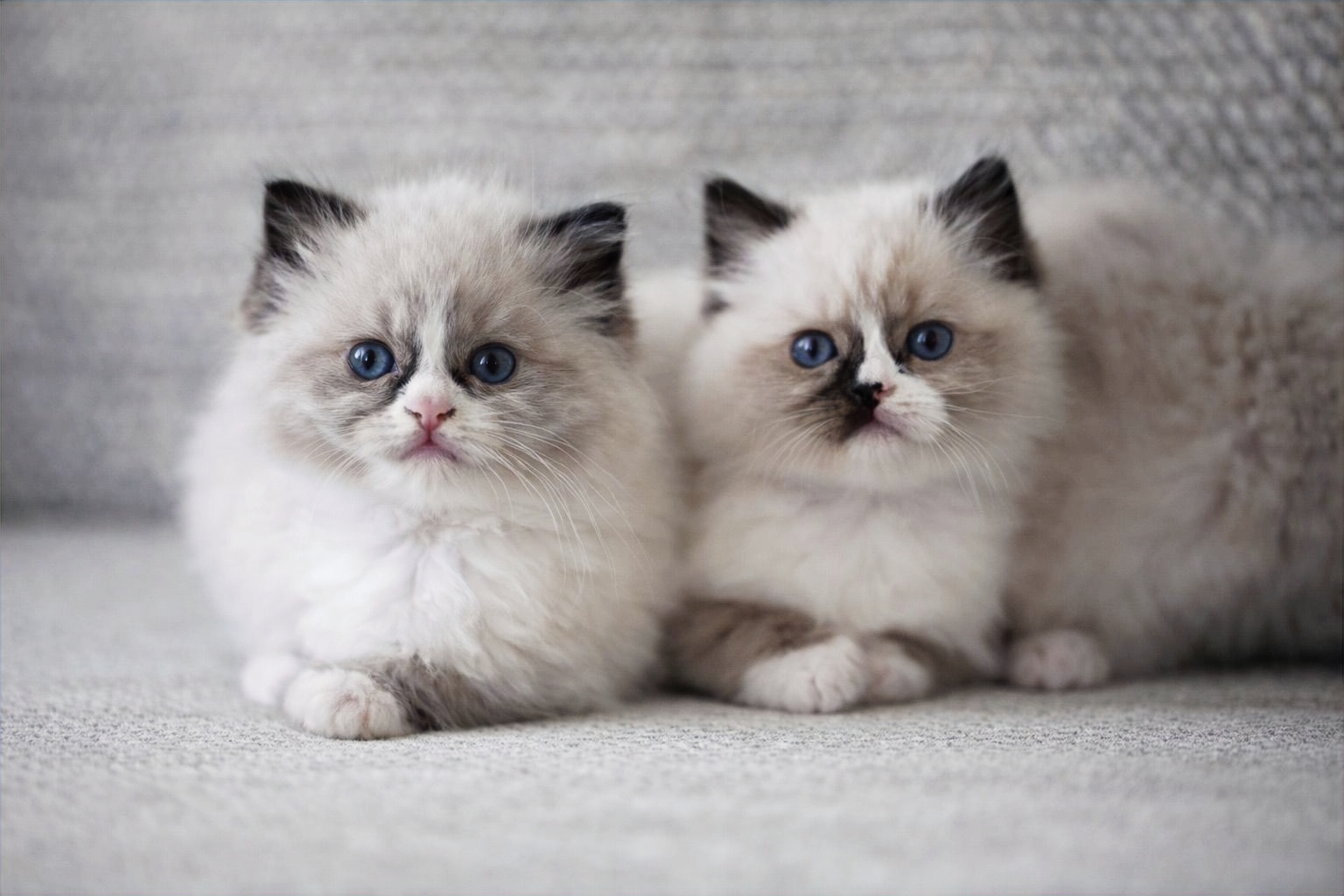
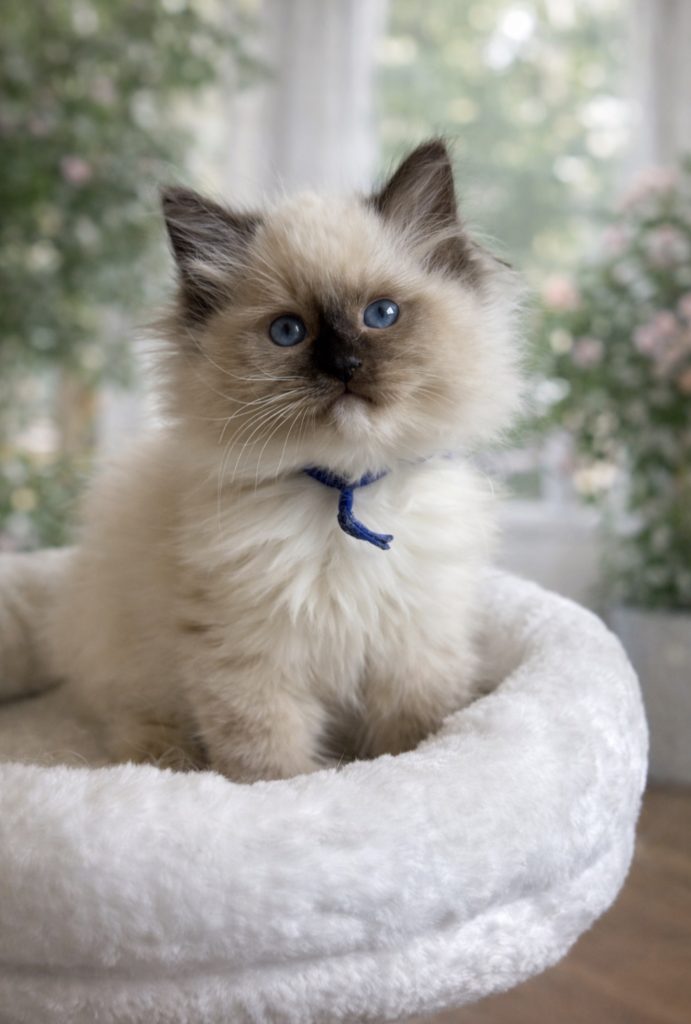
Ragdolls rank among the largest domestic breeds, with a powerful yet graceful build, long, substantial bodies, strong bone and well developed muscle. They mature slowly, often taking up to four years to reach full size.
Males: typically 6.8 to 9 kg · Females: typically 4.5 to 6.8 kg
Their colourpoint markings develop as kittens grow, darker on the face, ears, legs and tail, with a noticeably lighter body.
| Age | Male | Female |
|---|---|---|
| 3 months | 1.8 to 2.7 kg | 1.4 to 2.3 kg |
| 6 months | 3.3 to 4.5 kg | 2.7 to 3.8 kg |
| 9 months | 4.5 to 5.3 kg | 3.2 to 4.5 kg |
| 12 months | 5.9 to 6.8 kg | 4.1 to 5.4 kg |
| Fully grown, up to 4 years | 6.8 to 9 kg | 4.5 to 6.8 kg |
Typical growth guide, every cat is individual, and steady healthy growth matters more than exact numbers. For what those proportions mean day to day, our weight and body condition guide shows what healthy feels like under all that fur.
All Ragdolls are born almost completely white, with colour developing over the first weeks of life. Colours include Seal, Blue, Chocolate, Lilac, Red and Cream, some with Lynx (tabby) markings or Tortoiseshell colouring. Every colour and pattern is walked through properly in our colours guide.
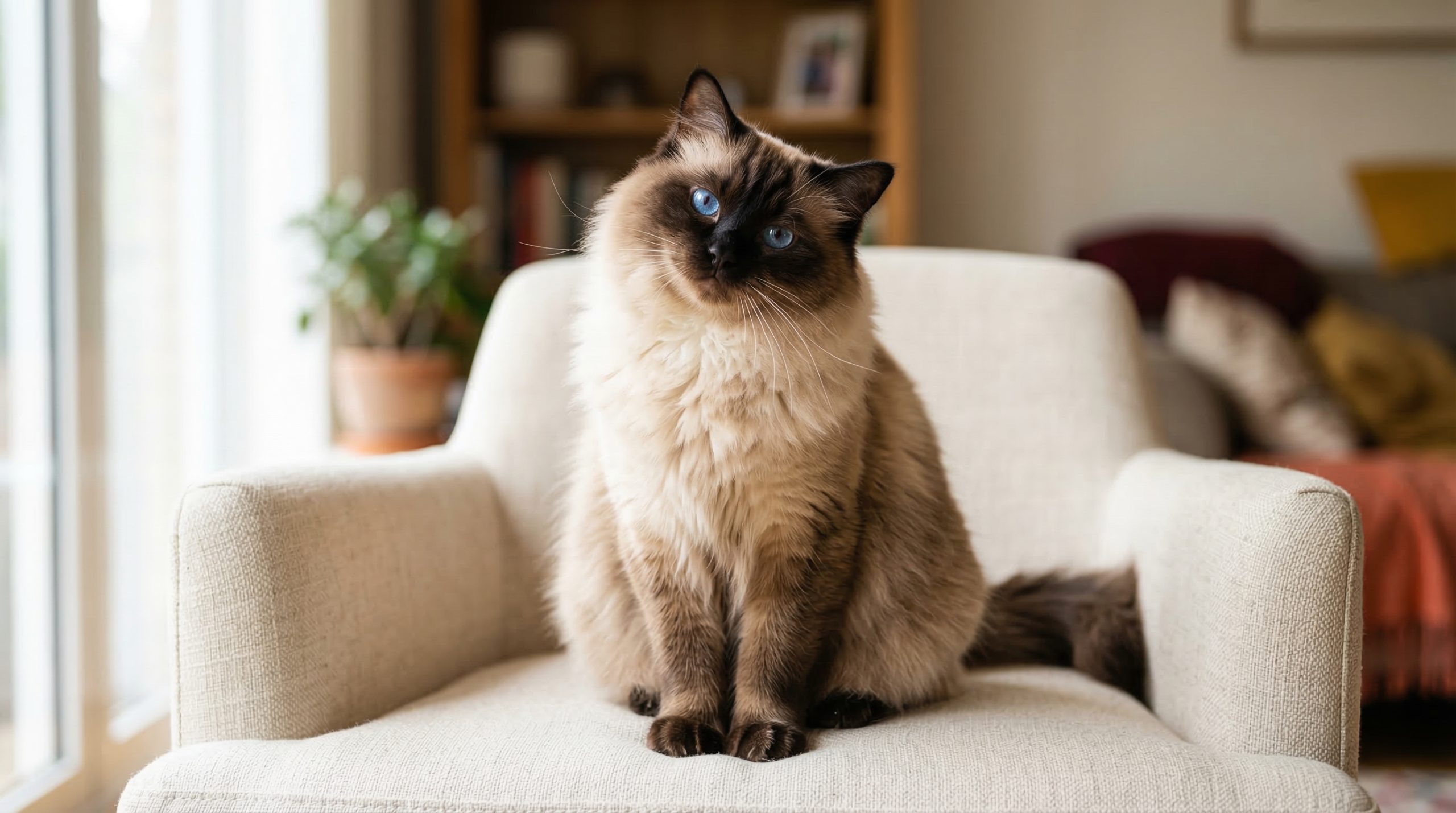
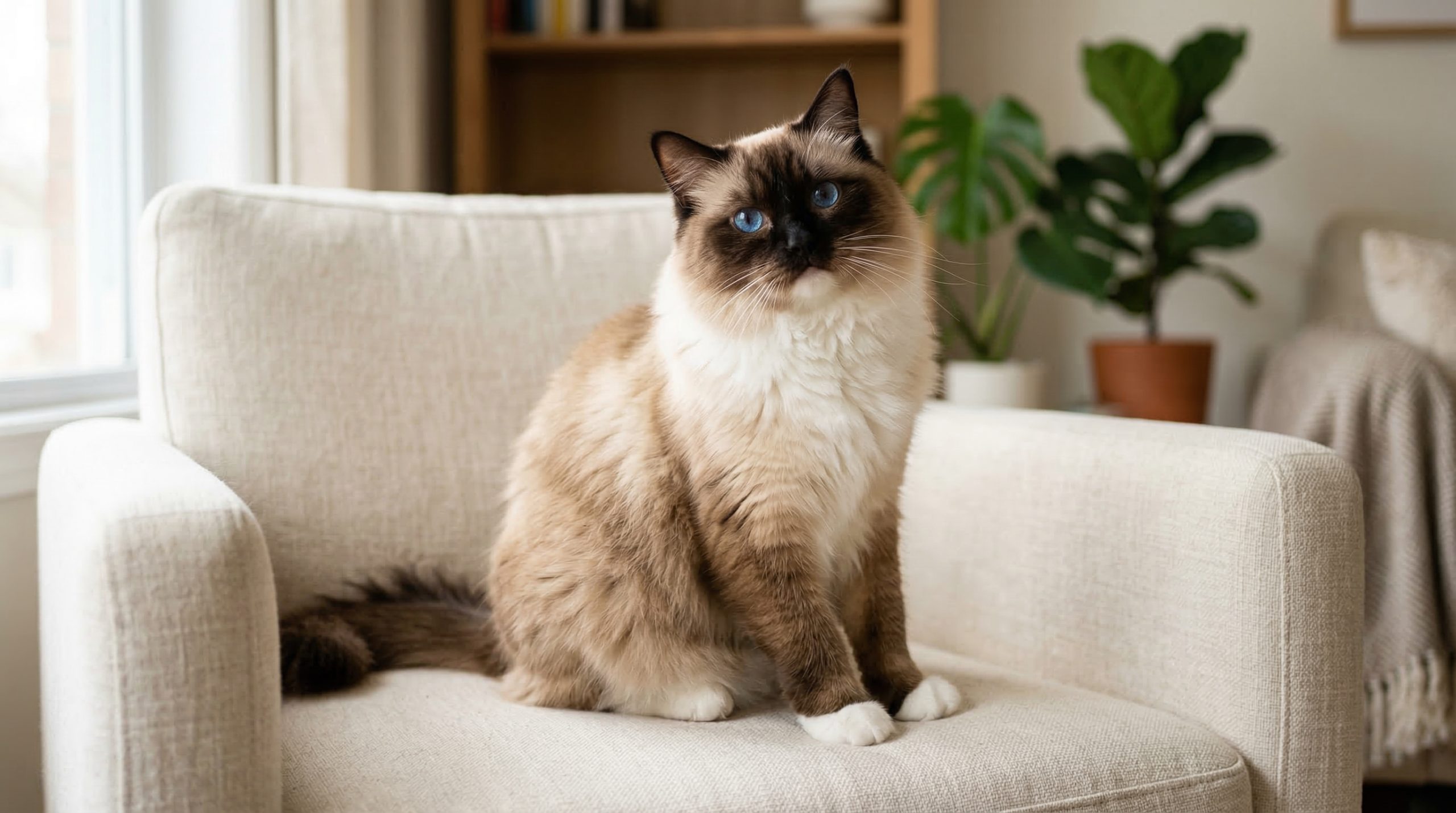
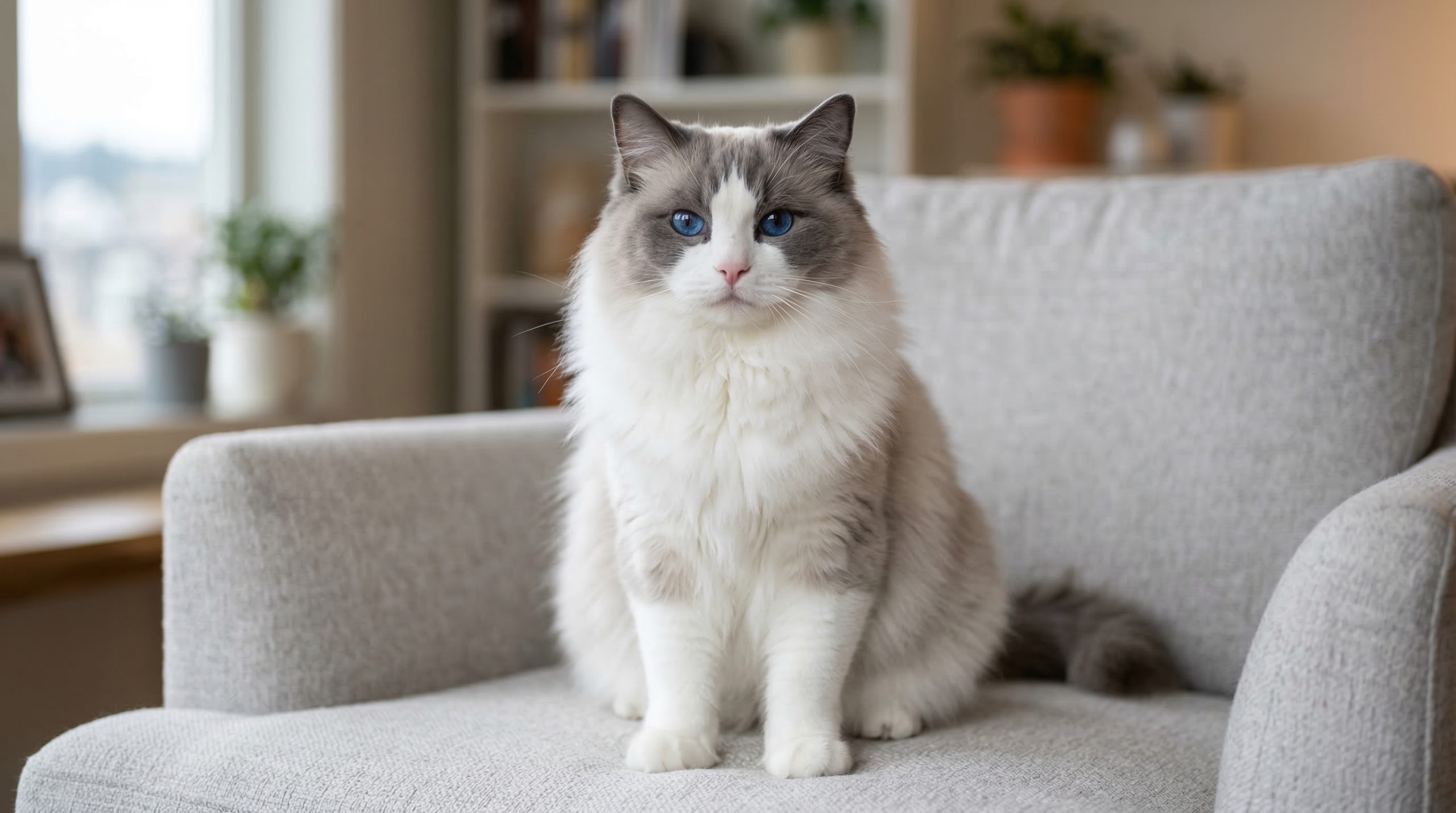
Renowned for a relaxed, trusting disposition, many happily settle into your arms when held. Patient, tolerant and exceptionally good natured, they walk away from conflict rather than engage in it.
Ragdolls form strong bonds and genuinely enjoy daily life with their people, relaxing beside you, supervising household activities, or quietly following you room to room with dog like loyalty.
That trusting nature comes at a cost: a Ragdoll is far less streetwise than most breeds. They tend not to run from what they should, which shapes how most owners handle the outdoors question.
Our kittens are socialised around ducks, chickens, peacocks, guinea pigs, parrots, other cats, dogs and the general bustle of our household, so multi pet homes are rarely a problem. See how that temperament is finished in practice on our colony page, and what it means for families in our children and kittens guide.
Their silky, semi long coat has less undercoat than breeds like Persians, so it resists matting. Brushing two to three times a week is plenty, our kittens are introduced to brushing, nail checks and bathing from an early age.
A generally robust breed with a lifespan of 12 to 16 years, and plenty go beyond that. Like all pedigrees they can be predisposed to certain conditions, including HCM, which responsible breeders actively screen for. Keeping a healthy weight matters for their large frame.
Good nutrition, preventative healthcare, mental stimulation and companionship, plus annual vet examinations, vaccinations, parasite prevention and dental care. The exact routine, tools and all, is in our grooming guide, with hairballs covered next door. Our one kitten or two guide weighs the pair question in full, and indoor cats covers keeping a companion happy inside.
A Ragcoon is a deliberate cross between a Ragdoll and a Maine Coon, bringing together two of the most loved breeds in the world. Alongside our pure Ragdoll litters, we sometimes breed Ragcoon litters using carefully chosen outside Maine Coon studs. Here is what makes the cross special.
The Ragdoll brings its famous relaxed, affectionate, people loving temperament. The Maine Coon adds playfulness, confidence and a more adventurous spirit. The result tends to be a sociable, easy going cat with a little more get up and go than a pure Ragdoll, and a beautiful semi long coat.
Crossing two unrelated breeds broadens the genetic base of a litter, reducing the doubling up of any single breed line. Health testing before mating matters just as much for a cross as for a pure litter, and we hold every mating to the same standard.
The Maine Coon is a famously hardy, capable, weather proofed breed, and Ragcoons often inherit that robustness along with rather more street sense than a pure Ragdoll. For families who want their cat to enjoy genuine outdoor time, a Ragcoon can be the better fit.
You will notice we recommend indoor living or a secure space such as a catio for pure Ragdolls, because the very trust that makes them wonderful companions leaves them naive about roads, dogs and strangers. Ragcoons are typically better suited to outdoor access: the Maine Coon side brings hardiness, awareness and a thick weather resistant coat. That said, every cat is an individual, and sensible rules still apply to any cat going outside. Neutered first, microchipped with your details kept current, introduced to the garden gradually after they have fully settled, kept in at night, and thought given to nearby roads. If you are unsure what suits your home, tell us about it and we will give you an honest view for your specific kitten, because temperament varies even within one litter.
Every litter we breed, pure or cross, is advertised as exactly what it is and raised the same way: in the colony, underfoot, handled from birth. If you are choosing between the two, the honest summary is this. For a calm, indoor family companion, a pure Ragdoll is hard to beat. For a family who wants the garden to be part of their cat’s life, the Ragcoon was made for you. The full story of our Ragdoll and Maine Coon cross is in the Ragcoon guide.
The breed began in 1960s Riverside, California, with breeder Ann Baker and a white semi longhaired cat called Josephine, whose kittens showed unusually calm, affectionate temperaments, and a tendency to go limp when picked up, inspiring the name “Ragdoll”.
Through the 1970s the breed spread across the United States, the United Kingdom and Europe. Today Ragdolls are recognised by every major registry: TICA, GCCF, CFA and FIFe, and remain one of the most popular pedigree breeds in the world.
At Pretty Ragdolls, we’re proud to continue that legacy by raising healthy, well socialised kittens. The whole tale, Ann Baker and all, is told properly in our history guide.
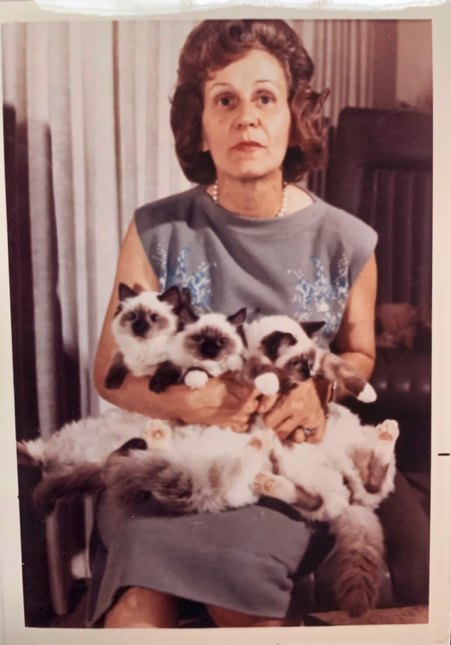
Everything on this page, expanded properly: our original guides on the Ragdoll itself, written from the colony that lives with them.
Seal, blue, mitted, bicolour and lynx decoded, plus the born white magic.
The flop and pain myth, allergy hopes and imposters, sorted properly.
From Josephine of Riverside to the world’s favourite lap cat.
Ragdoll cross Maine Coon: looks, silver reveals, and honest pricing.
Cousin breeds compared properly, and how to choose between them.
The great lookalikes, and how to tell a mitted Ragdoll from a Birman at a glance.
Three favourite breeds, three daily realities, compared side by side.
Simon’s Cat and a Cats Protection behaviour expert cover the famous flop, the puppy like shadowing and the slow colour change that runs to around three years, everything this page explains, in animated form. A lovely five minute introduction to share with the family.
Watch on YouTube Simon’s Cat with Cats Protection, 5 minutes
The questions we get asked most about the breed.
No cat breed is truly hypoallergenic. Ragdolls have less dense undercoat than many longhaired breeds, and some allergy sufferers find them easier to live with, but they still produce the same allergens as other cats. If allergies are a concern, spend time around the breed before committing. The full myth busting lives in our myths guide.
A moderate amount. Their silky, semi long coat carries less undercoat, so it sheds and mats less than breeds such as Persians. Brushing two or three times a week keeps it in beautiful condition, with a little extra during seasonal coat changes. Our grooming guide has the exact weekly routine.
Ragdolls thrive on company, and most cope well with a normal working day if they have toys, enrichment and a comfortable routine. They should not be routinely left alone for very long stretches, and many families find two cats keep each other happy. Our one kitten or two guide covers the company question properly.
For pure Ragdolls we recommend indoor living, or secure outdoor spaces such as a catio or an enclosed garden, because Ragdolls are exceptionally trusting and less aware of dangers such as roads and unfamiliar animals than most breeds. Our Ragcoon cross litters are a different story: the Maine Coon side typically brings the hardiness and awareness for genuine outdoor access, with sensible precautions.
Ragdolls mature slowly and can take up to four years to reach their full size, with males typically 6.8 to 9 kg and females 4.5 to 6.8 kg.
Yes. Their patient, tolerant and calm nature makes them one of the most family friendly breeds, and they usually settle in well with other cats and cat friendly dogs given a careful introduction.
Our kittens grow up in a colony, so they are used to constant feline company, and a sibling pair tends to settle in faster, comforting each other through the first nights and keeping each other busy while you are out. A single kitten can absolutely thrive with plenty of your time. When a family is open to two, we offer 20% off both kittens, because we would rather make that decision easy. More on our pricing page.
Because we sell family pets, and registration papers exist mainly to enable breeding. Every kitten leaves on a written agreement to be neutered by six months, so we would rather our paperwork matched our promises. A family tree and birth certificate come home in the kitten pack instead. We explain this fully, along with our approach to leaving age, on our story page.
Eight weeks is the legal minimum age for selling a kitten in England and a line we never go under, but we do not run to a fixed date: we run to the kitten. Fully weaned, litter trained, confident, settled and cleared at their health check. Most stay longer, and if you would like yours to stay longer still, just say. There is no charge for extra weeks. Our full thinking is on our story page.
They come back to us first, at any age, for any reason, no judgement and no questions. That promise is written into our conditions of sale and lasts for your cat’s whole life.
Our advice? Choose the kitten whose personality best matches your lifestyle, we’ll help you find them.
Many do, the famous flop the breed is named for, though every cat is an individual. It is a sign of deep relaxation and trust, not a party trick you can demand.
Most are champion lap cats, though some prefer to sit beside you rather than on you. Either way they will be in the same room, usually within arm’s reach.
Generally beautifully. They are among the most socially tolerant of all breeds, which is exactly why colony life suits them so well.
They tend to be soft spoken, all quiet chirps and trills rather than yowls. You will mostly hear from them at mealtimes.
The colour gene is heat sensitive, so colour develops on the cooler points of the body over weeks and months. The full spectrum is in our colours guide.
Rarely. A weekly comb at home reaches everything, and starting young makes it something they actively enjoy.
The points are clear within a few months, but the full depth of colour keeps developing until around two to three years old.
No. The deafness link concerns white cats with certain white spotting genetics. The Ragdoll’s pointed pattern with blue eyes comes from a different mechanism entirely.
Typically twelve to sixteen years, with plenty going beyond that with good care and a healthy weight.
HCM, a heart condition, and PKD, a kidney condition, are the two significant heritable ones, which is exactly why breeding cats should be tested for both.
Yes. Their laid back nature means calories can outpace exercise, so portion control and daily play matter. Our weight guide shows what healthy looks like.
No. Ragdolls have a normal muzzle, so they avoid the airway trouble that affects Persians and other flat faced cats.
Annually for a healthy adult, twice a year for seniors, and promptly whenever eating, drinking or litter habits change.
Famously so. Their patience is legendary, though children still need teaching in gentle handling, covered in our children and kittens guide.
Many are fascinated by it. Dripping taps, water fountains and the edge of the bath all draw an audience.
Less than their size suggests. Vertical space, a proper cat tree, matters more than floor area, and a flat suits them perfectly well.
Typically anywhere from around £600 well into four figures depending on breeder, lines and region. Our pure Ragdolls are £850 and our Ragcoons £600, with the full breakdown on our reserve page.
Health testing, registration, rearing standards and sheer time all cost money. A suspiciously cheap kitten usually means a corner cut somewhere you cannot see.
A microchip, complete health and treatment records, a sales agreement and a kitten that is clearly familiar with human hands. Ours leave with a full kitten pack besides.
No home visits, no questions asked of you, kittens always available and pressure to pay fast are the classic flags. Our choosing a breeder guide lists the lot.
For the right home, absolutely. You are paying for temperament, health work and a properly raised companion for the next fifteen years.
Once neutered or spayed, the differences are small. Personality and early socialisation matter far more than gender.
Many owners describe neutered males as extra cuddly, often keeping a playful, kitten like “teddy bear” personality into adulthood, but many females are equally loving. Affection comes down to individual personality and socialisation, not gender.
Spraying is usually hormone driven. Once spayed, female Ragdolls almost never spray, and neutered males rarely do either.
Males typically reach 6.5 to 9 kg; females usually 4.5 to 7 kg. Males often bond with the whole family, while females sometimes choose a special person.
No, both genders are intelligent and eager to please. Success depends on consistency, not gender.
Both integrate well. What matters more is your existing cat’s personality, your home environment and a slow, careful introduction.
Our cross of the Ragdoll and the Maine Coon, two of the world’s most famously gentle giant breeds in one cat. The whole story lives in the Ragcoon guide.
Expect a properly large cat. Both parent breeds are giants, so many Ragcoons outgrow a pure Ragdoll, with the boys especially substantial.
Everything from classic pointed looks through to colours no pure Ragdoll can wear, including solids, silvers and darker coats, because Maine Coon genetics unlock patterns the Ragdoll alone cannot produce.
The blend is lovely: Ragdoll softness with a dash of Maine Coon playfulness and chat. A touch more adventurous, every bit as affectionate.
Not always. Pointed Ragcoons usually keep the blue, but the wider colour range brings green and gold eyes into play as well.
They are a deliberate cross of two pedigrees rather than a recognised breed in their own right, which is why they are homed as much loved pets at £600 rather than at pure Ragdoll prices.
Very possibly, and dramatically. Silver kittens are often born looking nearly solid black, because the silver sits hidden in the undercoat beneath the dark baby fur. From around 10 to 12 weeks, as the adult coat grows through, the shimmer starts to appear and keeps developing for months. Pure Ragdolls transform too: they are born white, with their points darkening over the first weeks and their full colour taking a year or more. Exact adult colour can never be promised for any kitten.
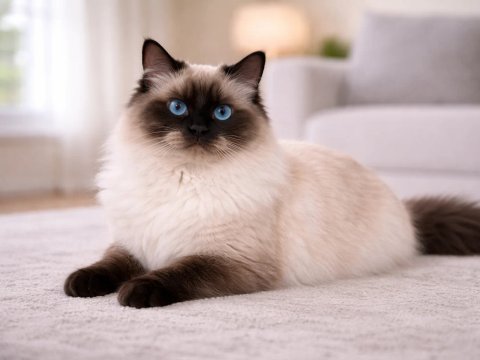 Seal pointDark brown points on warm cream
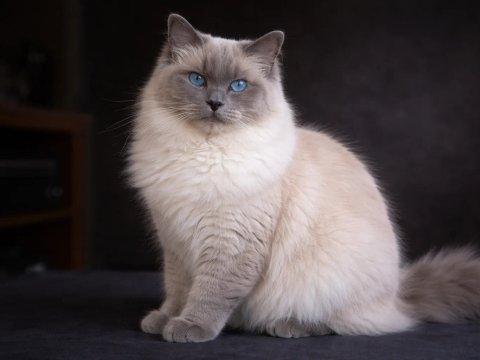 Blue pointSlate grey points on bluish white
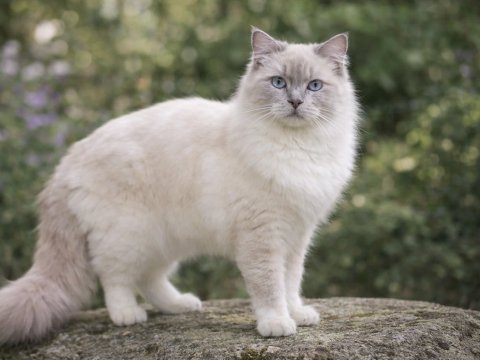 Lilac pointFrosty pinkish grey points on milk white
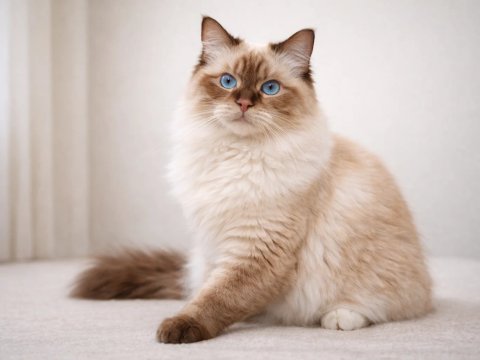 Chocolate pointMilk chocolate points on ivory
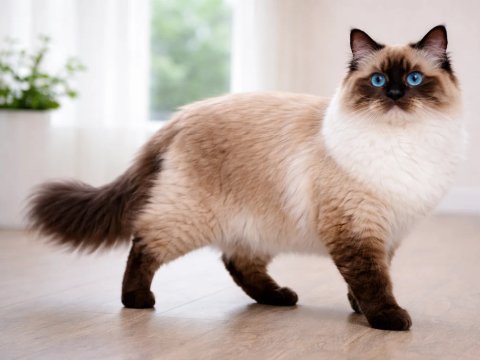 ColourpointFull mask and points, no white
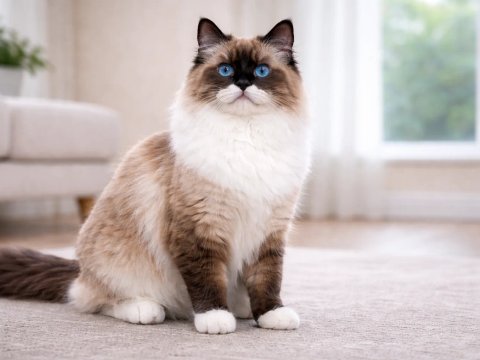 MittedWhite mittens, boots, chin and chest
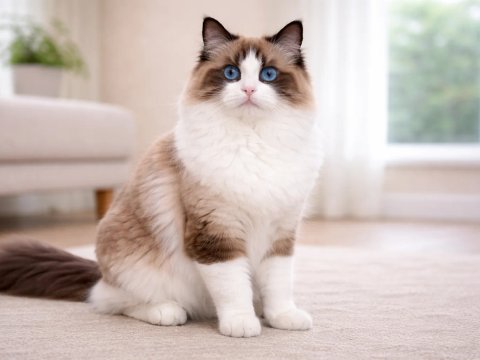 BicolourWhite V on the face, white legs and belly
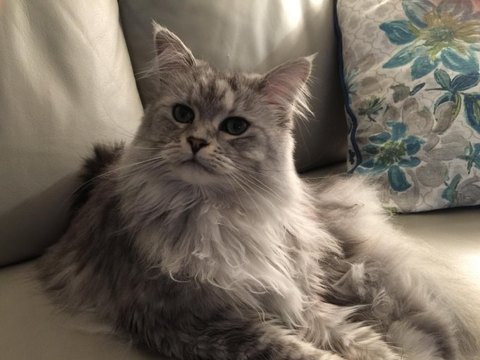 RagcoonRagdoll × Maine Coon, silvers and tabbies
Each page explains the colour or pattern using the GCCF and TICA standards and the genetics in plain words, how it arrives on a kitten born white, which of our cats carry it, and links every source so you can check it yourself.