
How Much Does It Cost to Own a Ragdoll Cat in the UK?
The kitten is the smallest number on the list. Here are the rest, in pounds.
Last reviewed
How much does it cost to own a Ragdoll cat? Somewhere between £75 and £150 a month for the basics, going by the price ranges Cats Protection publishes for food, litter, insurance and parasite treatment, with a yearly vet visit on top. That puts a year at roughly £1,000 to £2,000 before anything goes wrong, and the vet charity PDSA puts the minimum lifetime cost of any cat at £11,400 to £13,600. A Ragdoll sits at the upper end of all of those, because it is a big cat with a long coat that lives indoors. Here is where the money goes, so the bill is a plan and not a surprise.
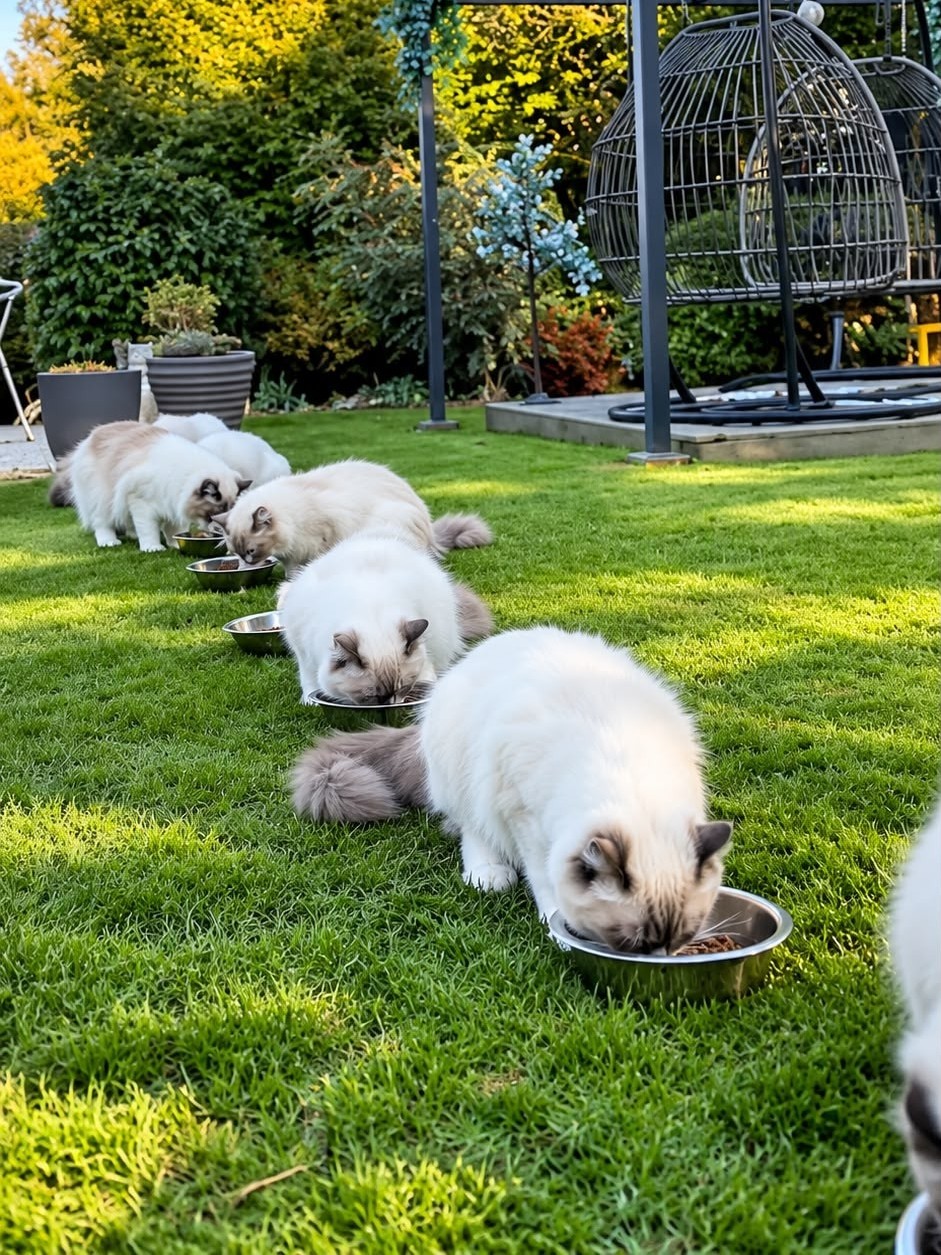
Food is the biggest regular bill, and a Ragdoll eats like the large cat it is.
What a Ragdoll costs per month
These are Cats Protection's typical UK ranges for one cat, with a note on where a Ragdoll lands in each.
| Monthly cost | Typical range | For a Ragdoll |
|---|---|---|
| Food | £20 to £50 | Upper end or above: a large cat on good food |
| Litter | £20 to £30 | A big tray uses more; bulk buying brings it down |
| Insurance | £25 to £50 | Less for a young cat, rising with age |
| Flea and worm treatment | £10 to £20 | Dosed by weight |
| Total | £75 to £150 | Before the yearly vet visit |
PDSA reaches a similar place by a different route. Its minimum for a cat is £79 a month at 2024 prices, covering food, litter, insurance, parasite treatment, toys and the yearly check and booster. PDSA is clear that this is a floor: it leaves out any vet fees for illness or injury, and it notes that pedigree cats can cost more to keep healthy.
Some vets offer a monthly health plan, typically £20 to £40, that bundles the boosters, the yearly check and the flea and worm treatment. For many owners it replaces those lines and spreads the cost.
What the first year costs
The first year carries the one off bills.
- The kitten. A Ragdoll from a breeder who health tests typically costs £800 to £1,500 in the UK. Ours are £850, with a £200 deposit. Ragdoll prices in the UK explains what a fair price should include.
- Setting up. PDSA puts the minimum set up cost for a cat at £366. That figure covers a bed, bowls, litter trays, a scratching post, toys, a brush and a carrier, and also the microchip, first vaccinations and neutering.
- Vaccinations. The kitten course is two injections a few weeks apart. Cats Protection gives £70 to £90.
- Neutering. Cats Protection gives £50 to £100 for a male and £100 to £300 for a female.
- Microchipping. £20 to £30, and a legal requirement in England.
Check what your breeder has already done, because it changes the sum. Our kittens leave vet checked and microchipped, with the chip registered to you, so that cost is already in the price. The vaccination course and neutering fall to the new family, for the reasons set out in our questions and answers. The kitten checklist lists the kit worth buying and the kit that can wait, and our Kitten Starter Pack puts the essentials in one box for £220 if you would like it done for you.
For a Ragdoll, buy the adult size from the start: a large tray, a sturdy cat tree and a carrier that will still fit a cat of six kilos or more. It costs a little more once and saves buying everything twice.
The yearly and occasional costs
- The yearly vet check. £50 to £80.
- Booster vaccinations. £70 to £90 a year.
- Holiday care. Cats Protection gives £150 to £300 for a week of pet sitting, or £15 to £20 a visit. See cat sitter or cattery?
- An emergency. An out of hours consultation starts at around £150 before any treatment, which is the whole argument for insurance. Ragdoll insurance explains what to look for in a policy.
- Dental work in later life. Many cats need some. Insurance does not always cover it, so read the policy.
- Replacements. Scratching posts, toys and beds wear out. A Ragdoll is hard on a flimsy cat tree.
Add the yearly check and the booster to twelve months of the basics and you reach the figure at the top of this page: roughly £1,000 to £2,000 a year for a healthy cat. Cats Protection's own summary is that a cat typically costs over £1,000 a year.
The costs people forget
- The second set of kit. Kitten sized trays, carriers and collars are outgrown in months.
- The insurance excess. The amount you pay yourself on each claim, often with a percentage on top once the cat is older.
- Time off for vet visits. Two vaccination visits, neutering and a check afterwards, all inside the first six months.
- Cover when you are away. Every holiday and every weekend away needs a sitter, a friend or a boarding place.
- Making the home safe. Window restrictors, a secure balcony or garden, and somewhere to climb. Kitten proofing lists what matters.
- The older cat. Senior blood tests, joint care and prescription diets arrive just as the insurance premium is at its highest.
Where a Ragdoll costs more than an average cat
- Appetite. An adult male can weigh 9 kg. He eats for it, and he is still growing at two and three years old.
- Litter. A big cat needs a big tray and fills it faster.
- Kit. Adult size carriers, wide scratching posts and cat trees that do not wobble all cost more than the standard versions.
- Grooming. A steel comb and a slicker brush are a small one off cost. Professional grooming is optional, and worth pricing if you know you will not keep up the combing.
- Indoor life. Most Ragdolls live indoors, so their exercise and interest have to be provided: climbing space, toys, and for some families a catio or cat proof fencing. Catios and safe outdoor space looks at the options.
- The heart. The breed has a known inherited heart condition, HCM. Buying from tested parents lowers the risk and insurance covers what testing cannot rule out. Take the policy out before the first vet visit, so nothing can be recorded as existing before cover began.
Where to save and where not to
Do not cut these
- The kitten's background. A kitten from untested parents can cost its saving many times over at the vet.
- Insurance, or a ring fenced fund. One or the other. Hoping is not a plan.
- Vaccinations, neutering and parasite treatment. All three prevent bills far larger than their own.
- Food quality. A complete food suited to the cat's age. How to read a cat food label shows what to look for.
Save here instead
- Toys. A cardboard box, a paper bag with the handles cut and a wand toy outlast most things in the pet shop.
- Beds. The cat will choose your chair anyway. A folded blanket is a bed.
- Bulk buying. Food and litter cost far less by the sack or the case than by the pouch.
- A vet health plan. Often cheaper than paying for boosters and parasite treatment separately.
- Two kittens. Not half the cost each, but a pair share trays, trees and toys and keep each other busy. See one kitten or two?
What a Ragdoll costs over a lifetime
PDSA's minimum lifetime figure for a cat is £11,400 to £13,600, worked out at 2024 prices over an average life of about twelve to fourteen years. It includes insurance and leaves out vet fees for illness, boarding, special diets and the price of the cat.
A Ragdoll will usually pass that, for two reasons. The monthly basics are higher for a large cat, and a well cared for indoor Ragdoll often lives longer than the average: most sources put the breed at 12 to 17 years. How long do Ragdolls live? has the detail. At £1,000 to £2,000 a year, fifteen years comes to £15,000 to £30,000, and the lower figure assumes nothing ever goes wrong.
That is not a reason to be put off. It is the reason to decide with the whole sum in view, and it is why the price of the kitten is the least important number on this page. Ragdoll pros and cons has the other questions worth asking before you commit.
Quick questions, answered
How much does a Ragdoll cat cost per month?
About £75 to £150 a month for food, litter, insurance and flea and worm treatment, going by Cats Protection's typical UK ranges. A large Ragdoll on good food sits towards the top. PDSA's minimum for any cat is £79 a month at 2024 prices.
How much does a Ragdoll cost per year?
Roughly £1,000 to £2,000 a year for a healthy cat, once the yearly vet check and booster are added to the monthly basics. Illness, injury and holiday care come on top.
How much does the first year cost?
The kitten, typically £800 to £1,500, then setting up, vaccinations and neutering. PDSA puts the minimum set up cost for a cat at £366 including the microchip, first vaccinations and neutering. Check what your breeder has already done.
How much is insurance for a Ragdoll?
Cats Protection gives £25 to £50 a month as the typical range for cat insurance. A young cat can start lower and the premium rises with age. Take a lifetime policy out before the first vet visit.
Is a Ragdoll more expensive to keep than an ordinary cat?
A little, every month. A large cat eats more, uses more litter and needs bigger, sturdier kit, and an indoor cat needs more provided for it. PDSA also notes that pedigree cats can have higher health costs.
What does a Ragdoll cost over its lifetime?
PDSA's minimum for any cat is £11,400 to £13,600, not counting vet fees for illness. At £1,000 to £2,000 a year over fifteen years a Ragdoll comes to £15,000 to £30,000.
Sources and further reading
- PDSA: The cost of owning a cat: Minimum set up, monthly and lifetime costs, worked out by the vet charity at 2024 prices.
- Cats Protection: Cost of owning a cat: Typical UK price ranges for food, litter, insurance, vet care, neutering and cat sitting.
Thinking about a Ragdoll kitten?
Our Ragdoll kittens grow up in our home in Ryde, Isle of Wight, with health tested parents and our support for life. See who is available now, or join the waiting list for the next litter.