
Allergic to Cats? Living With a Ragdoll and an Allergy
No breed is allergen free. Plenty of allergic people live happily with cats all the same.
Last reviewed
Can you live with a Ragdoll if you are allergic to cats? Sometimes, with effort, and never because the breed is hypoallergenic. It is not, and neither is any other cat. What people react to is a protein in a cat's saliva and skin, not the fur, and every cat makes it. But cats differ in how much they make, people differ in how they react, and a good deal can be done at home to bring the level down. The sensible order is to find out how you react before a kitten arrives, talk to your GP if you have asthma, and set the house up from day one. Here is how.
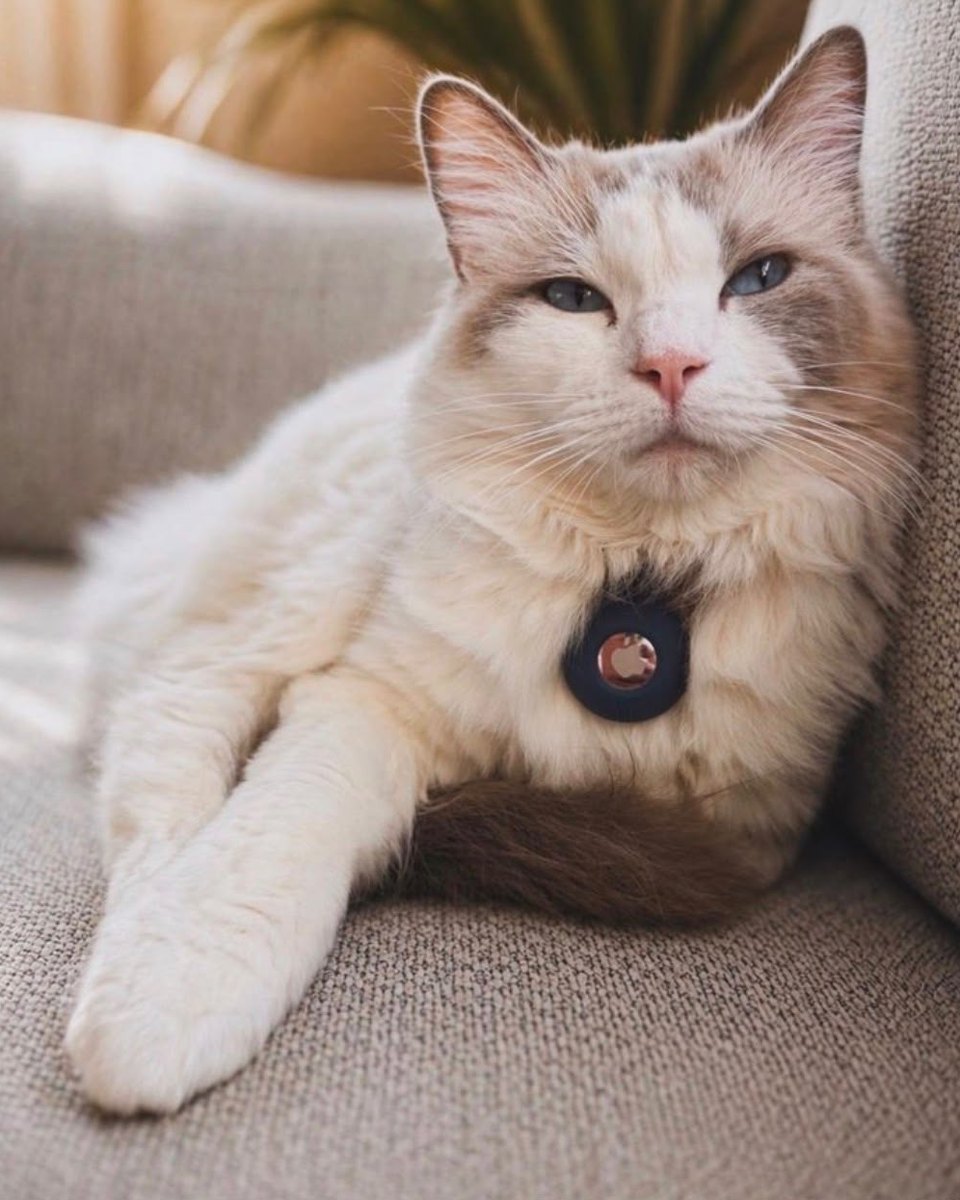
Snowflake, one of our queens. Every cat makes the allergen, whatever its breed or coat.
What causes a cat allergy?
- A protein, not the hair. The main cat allergen is called Fel d 1. It is made in the cat's saliva and in the oil glands of the skin.
- Grooming spreads it. As a cat washes, the protein dries on the coat and skin.
- It leaves the cat on shed hair and dander, the tiny flakes of dead skin that every animal sheds, and settles on furniture, bedding and clothes.
- Hair carries other things too. Pollen, dust mites and mould ride on a cat's coat, and some people who think they are allergic to the cat are reacting to those.
- Every cat makes it, whatever its breed, age or sex. Hairless cats make it as well.
- Cats differ. Each cat produces a different amount, which is why some people react to one cat and not to another.
Are Ragdolls hypoallergenic?
No. Cats Protection puts it plainly: hypoallergenic cats do not exist.
The claim is often made for Ragdolls because the coat has little undercoat and is said to shed less. But the allergen is not the hair, so a coat that sheds a little less changes very little. A Ragdoll is also a large cat with a great deal of coat to wash, and it likes to be on you, your sofa and your bed.
What is true is that individual cats vary, in every breed. An allergic person may find one Ragdoll easy to live with and another impossible, and the same goes for any other breed. There is no reliable way to pick the easy one in advance, and no breeder can promise you a low allergen kitten.
Ragdoll myths goes through the hypoallergenic claim, Ragdoll or Siberian? covers the breed most often sold on it, and do Ragdolls shed? deals with the coat.
Symptoms of a cat allergy
- Sneezing and a runny or blocked nose
- Itchy, watering eyes
- Coughing, wheezing or a tight chest
- Itchy skin, a rash or hives, often where a cat has licked or scratched
- Eczema flaring up
For many people the signs are mild and slow, and easy to put down to a cold or to hay fever. They can also be slower to appear than a short visit allows for, which is why longer and repeated visits tell you more.
Wheezing or difficulty breathing is different. If anyone in the home has asthma, speak to your GP before you bring a cat home, not after.
How to find out before you get a kitten
- Spend real time with cats. Visit a friend who has one, more than once and for more than a few minutes. Sit on the sofa, stroke the cat, stay for the evening.
- Spend time with adult Ragdolls if you can. A kitten is small and has little coat, so a reaction that is mild with a kitten can be stronger with the adult it becomes.
- See your GP. They can advise on treatment and may refer you for a blood test or a skin prick test to confirm what you are reacting to.
- Test everyone who lives in the house, children included.
- Tell the breeder. A good one would much rather know, and talk it through, than have a kitten come back.
- Decide what happens if it does not work. Agree it as a family before the kitten comes home, because giving up a cat is hard on everybody, the cat most of all.
A mild reaction that settles with a few changes at home is something many people live with. A reaction that affects breathing is a reason to think again.
How to reduce cat allergens in your home
Nothing removes the allergen completely. The aim is to lower the amount you breathe in and touch.
Rooms
- Keep the bedroom cat free, with the door shut. You spend a third of your life there.
- Open the windows and let air through.
- Use an air filter in the rooms you use most.
- Choose hard floors over carpet, and blinds over curtains, where you have the choice.
- Keep litter trays and cat beds away from air vents.
Cleaning
- Vacuum regularly, including sofas and under furniture.
- Wash the cat's bedding often, and throws and cushion covers with it.
- Wipe hard surfaces with a damp cloth. Dry dusting only moves it about.
The cat
- Wipe the coat over with a damp cloth.
- Have the combing done by someone who is not allergic, and away from the living room: by an open window, in a catio or in a room that is easy to clean. See how to groom a Ragdoll.
- Ask your vet about food designed to reduce allergens.
You
- Wash your hands after stroking the cat, and keep them away from your eyes.
- Avoid being licked.
- Change out of cat covered clothes before bed.
Five myths about cats and allergies
- Long haired cats are worse. Coat length is not the cause. The protein is made in the saliva and skin.
- Hairless cats are safe. They make the same protein and shed the same dander.
- A particular breed is safe. All cats produce the allergen, whatever the breed.
- A female or a kitten will be fine. Age and sex are no guarantee either.
- It is the fur on the sofa. The hair you can see is the least of it. The allergen travels on particles too small to see, which is why cleaning and fresh air matter more than a lint roller.
When allergic friends or family visit
- Tell them there is a cat, so that they can bring their own medication.
- Vacuum, wipe down and air the house on the day.
- Wash the throws and cushion covers on the seats they will use.
- Keep the cat out of the room they will sleep in, starting some days before, and use fresh bedding.
- Let the cat have its own quiet room during the visit if a guest is struggling.
Medical help
Talk to your GP or a pharmacist. Antihistamine tablets and nasal sprays control symptoms for many people, and some cases are referred to an allergy specialist.
- Tell them you live with a cat or plan to, and whether you have asthma, eczema or hay fever.
- Do not stop or change asthma treatment without advice.
- If symptoms change suddenly or breathing is affected, seek medical help promptly.
This page is general information, not medical advice. Your own doctor knows your history.
Will it work?
- Often, for mild allergies, with a cat free bedroom, regular cleaning and treatment when needed.
- Less often for asthma or strong reactions, where the kindest decision can be not to have a cat.
- Not by choosing a breed. Choose the individual cat by spending time with it, if you can.
- Not by half measures. A Ragdoll wants to be with its people, and one shut out of the bedroom still needs company, play and a warm lap elsewhere. See why is my Ragdoll not cuddly? for what the breed expects of you.
If a cat is already part of the family when the allergy appears, start with the bedroom and the GP. Many people find that those two steps are enough.
Quick questions, answered
Are Ragdolls hypoallergenic?
No. No cat breed is. The allergen is a protein made in the saliva and skin, and every cat produces it whatever its coat.
Can I have a Ragdoll if I am allergic to cats?
Possibly, if the allergy is mild. Spend time with cats first, speak to your GP, keep the bedroom cat free and clean regularly. If anyone in the home has asthma, take medical advice before deciding.
Do Ragdolls cause fewer allergies than other cats?
There is no good evidence that they do. Individual cats vary in how much allergen they make, in every breed, and nobody can pick out a low allergen kitten in advance.
Are female or neutered cats better for allergies?
Cats Protection's advice is that all cats produce the allergen regardless of breed, age or sex, so do not choose a cat on that basis.
What is the best way to reduce cat allergens at home?
Keep the cat out of the bedroom, ventilate, vacuum and wash bedding often, use an air filter, wipe the cat's coat with a damp cloth and wash your hands after stroking.
Is there a cat food that reduces allergens?
Some foods are sold to reduce the active allergen in a cat's saliva. Ask your vet whether one is suitable for your cat before changing its diet.
Sources and further reading
- Cats Protection: Cats and allergies: What causes the allergy, why no cat is hypoallergenic, and how to reduce allergens at home.
Thinking about a Ragdoll kitten?
Our Ragdoll kittens grow up in our home in Ryde, Isle of Wight, with health tested parents and our support for life. See who is available now, or join the waiting list for the next litter.