
HCM in Ragdolls: Symptoms, Testing and Life Expectancy
The breed's main inherited risk, from the gene and the tests to the signs, the treatment and the outlook.
Last reviewed
HCM in Ragdolls, hypertrophic cardiomyopathy, is the most common heart disease in cats and the breed's main inherited risk. The muscle of the left ventricle thickens, the chamber holds less blood, and over time that can lead to heart failure, blood clots and sudden death. A specific gene mutation can be tested for before a cat is bred from, which is why health testing matters so much in this breed. This guide covers the Ragdoll HCM test, Ragdoll HCM symptoms, diagnosis and treatment, and life expectancy after a diagnosis.
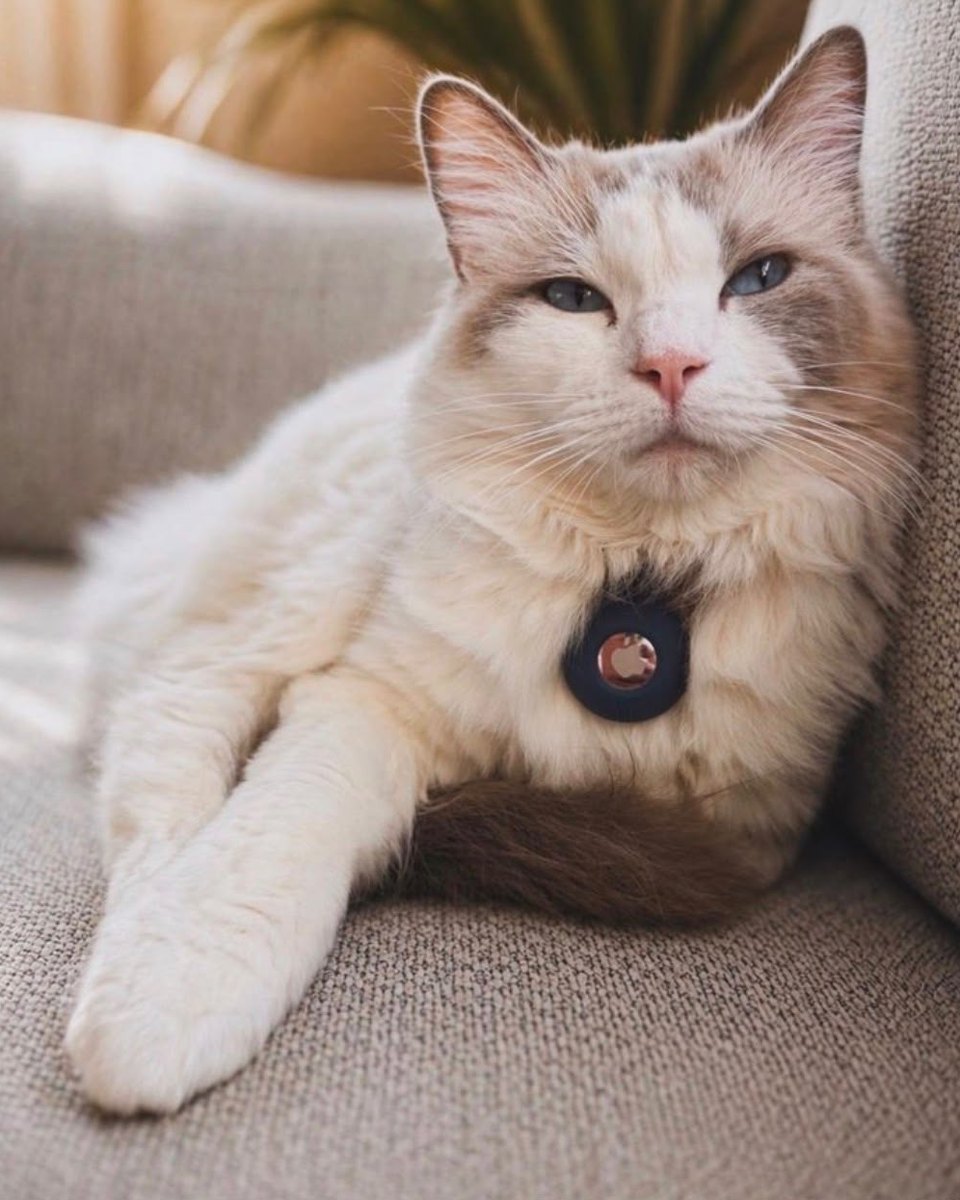
Snowflake, queen of the colony. Every breeding cat here is DNA tested clear for HCM before a litter is planned.
What HCM is and why Ragdolls are at risk
Hypertrophic cardiomyopathy, HCM, is a disease of the heart muscle. The wall of the left ventricle, the main pumping chamber, grows thicker than it should. A thick wall is stiff, so the chamber fills with less blood, the heart works harder, and pressure backs up into the lungs. HCM is the most common heart disease in cats of every kind, but in a few breeds it runs in families, and the Ragdoll is one of them, alongside the Maine Coon.
Three things make it serious:
- Congestive heart failure. Fluid builds up in or around the lungs and the cat struggles to breathe.
- Blood clots. Blood pooling in the enlarged atrium can clot, and a clot that breaks loose usually lodges where the aorta splits to the back legs, causing sudden paralysis and severe pain. This is aortic thromboembolism, and it is an emergency.
- Sudden death from a disturbance of the heart's rhythm, sometimes with no warning.
The range is wide, though. Many cats have mild thickening that never progresses and live a full life without anyone knowing. Testing exists to keep the severe form out of the breed; the owner's job is to know the signs.
The Ragdoll HCM test: what a DNA result means
In Ragdolls a specific change in the MYBPC3 gene, known as R820W, is linked to HCM. MYBPC3 makes a protein in heart muscle, and the altered version disturbs how the muscle is built. A cheek swab tests for it, and the result is one of three:
- Clear: no copy of the mutation.
- Carrier, one copy: a lower risk of disease, but the cat passes the mutation to about half its kittens.
- Affected, two copies: a high risk of early, often severe disease.
The test is a breeding tool first. Two clear parents cannot produce a carrier or an affected kitten, which is why every breeding cat in our colony is DNA tested clear for HCM before any litter is planned, and why you should ask to see the certificates. Health testing explains the paperwork.
What the test cannot do is rule out HCM altogether: cats with no known mutation still develop it, so a clear result lowers the risk without removing it. That is why careful breeders also screen breeding cats by heart ultrasound, an echocardiogram, ideally repeated through the cat's breeding life, and why Ragdoll health describes the two as partners rather than alternatives.
Ragdoll HCM symptoms
Early HCM usually has no symptoms at all. A cat with a tired heart simply does less, and a Ragdoll doing less looks like a Ragdoll. The signs that do appear tend to be these:
- Faster or heavier breathing at rest. A relaxed cat breathes about 20 to 30 times a minute; count the chest rising while the cat sleeps. Over 40, sustained, is a reason to call the vet.
- Open mouth breathing or panting without heat or exertion.
- Lethargy, hiding and poor appetite, which unexplained lethargy covers.
- Fainting or collapse, even briefly.
- Sudden weakness or paralysis of the back legs, with crying and cold paws. This is a clot. It is an emergency: go to the vet now, not in the morning.
Often the vet finds the first clue: a heart murmur or a gallop rhythm heard at a routine check or before neutering. Not every murmur means HCM, and some HCM hearts have no murmur, but a new murmur in a Ragdoll should be followed up. Laboured breathing can also be asthma or a chest infection, and only a vet can tell them apart.
How HCM is diagnosed
The definitive test is an echocardiogram: an ultrasound scan of the heart, usually by a veterinary cardiologist, with the cat awake or lightly sedated. It measures the wall thickness, the size of the atrium and how well the heart fills and empties, and it is the only way to confirm HCM and grade it. A chest X ray may be taken as well to look for fluid, and an ECG if the rhythm is a concern.
Your vet may also run a blood test called NT proBNP, which measures a protein the heart releases under strain. It cannot diagnose HCM on its own, but a normal result makes significant disease unlikely and a raised one is a reason to scan. It is often used to screen a cat with a murmur, or to tell a heart problem from a chest one in a breathless cat.
Because scans are not cheap, and because insurers exclude HCM once it is on the record, cat insurance taken out while the cat is young and healthy is the most useful piece of planning a Ragdoll owner can do. Insure the kitten the week it arrives, before the first check up has a chance to find anything.
Ragdoll HCM treatment
There is no cure for HCM and no drug that reverses the thickening, so treatment manages the consequences, tailored by your vet to the stage the cat is at.
- Mild disease with no symptoms is often monitored rather than treated: a repeat scan every six to twelve months and an owner who knows the signs.
- Clot prevention. Once the atrium is enlarged, vets commonly prescribe an anti clotting drug such as clopidogrel to reduce the risk of a clot forming.
- Heart failure is treated with diuretics to clear fluid from the lungs, sometimes with other drugs to support the heart, and the first episode usually means a day or two in hospital on oxygen.
- Other medicines for rhythm problems or a fast heart rate, on the cardiologist's advice.
At home the job is stress reduction and observation. Keep the routine steady, keep the house cool in summer, and count the resting breathing rate every few days so you notice a change early. Medicating your cat helps with the tablets, which most HCM cats take for life, and vet visits without stress matters more than ever. Doses and drug choices are your vet's call, and this guide gives none.
HCM Ragdoll life expectancy
The outlook is hugely variable. At one end are cats with mild thickening found by chance at a scan, many of which never progress and live a normal lifespan; Ragdoll lifespan is the baseline. At the other are cats with two copies of the mutation, which can develop severe disease in their first few years. In between sit most diagnosed cats, with disease that progresses slowly over years and may or may not reach heart failure.
Once heart failure or a clot has happened the picture is harder: cats in heart failure typically survive months to a couple of years with treatment, and a cat that has had a clot has a guarded outlook, though some recover and do well for a time. Regular monitoring improves outcomes, because the earlier failure is caught the easier it is to manage.
The practical lessons: buy from a breeder who tests, and ask to see the results. Insure early. Learn the resting breathing rate. Keep an older cat's checks regular, as senior cats explains, and read recognising pain so nothing is missed. HCM is the reason we test every breeding cat, and the reason we would rather you read this now than need it later.
Quick questions, answered
What are the symptoms of HCM in Ragdolls?
Often none at first. When signs appear they include fast or laboured breathing at rest, open mouth breathing, lethargy, poor appetite and fainting. Sudden weakness or paralysis of the back legs with pain means a blood clot and is an emergency. A murmur or gallop rhythm heard at a routine vet check is frequently the first clue.
What is the life expectancy of a Ragdoll with HCM?
It varies enormously. Cats with mild thickening found by chance often live a normal lifespan, while cats with two copies of the Ragdoll mutation can develop severe disease young. Once heart failure has developed, survival with treatment is typically months to a couple of years. Early diagnosis and regular monitoring improve the outlook.
Does a clear DNA test mean my Ragdoll will never get HCM?
No. The DNA test finds one known mutation, R820W in the MYBPC3 gene, and a clear result removes that risk. Cats can still develop HCM for reasons the test does not detect, which is why breeders also use heart scans and why any Ragdoll with a new murmur or breathing change should be checked by a vet.
Is there a treatment for HCM in Ragdolls?
There is no cure, but the consequences can be managed. Vets use anti clotting drugs to reduce the risk of a clot and diuretics and other medicines to control heart failure, with repeat scans to track progress. Mild cases are often monitored rather than treated. Your vet decides the drugs and doses for your cat.
Sources and further reading
- International Cat Care: Owner advice on hypertrophic cardiomyopathy in cats.
- Cornell Feline Health Center: Veterinary overview of feline HCM, its signs, diagnosis and treatment.
- PDSA: Plain English guidance on heart disease in cats and when to see a vet.
Thinking about a Ragdoll kitten?
Our Ragdoll and Ragcoon kittens grow up in our home in Ryde, Isle of Wight, with health tested parents and our support for life. See who is available now, or join the waiting list for the next litter.