
The heart of Pretty Ragdolls
Our Domesticated Cat Colony
Fifteen Ragdolls, one settled family group, and the rarest way to raise a kitten in Britain.
Fifteen Ragdolls, one settled family group, and the rarest way to raise a kitten in Britain.
A cat colony is a stable social group of cats who share their territory, their resources and their daily routines, and it is how cats choose to live wherever life allows it. Feral colonies form around farmyards and harbours the world over, but a domesticated colony, a whole family of pedigree cats living freely together inside a family home, is genuinely rare, because it is the most demanding way there is to raise cats. Most breeding setups keep cats in pens, in rotations or in small separated groups. Ours have the run of our home, a fully enclosed garden and two cat houses built for them alone, fifteen Ragdolls living as one settled family group on the Isle of Wight. It is more work, more food, more laundry and more love than any other way of doing this, and we would not have it otherwise.
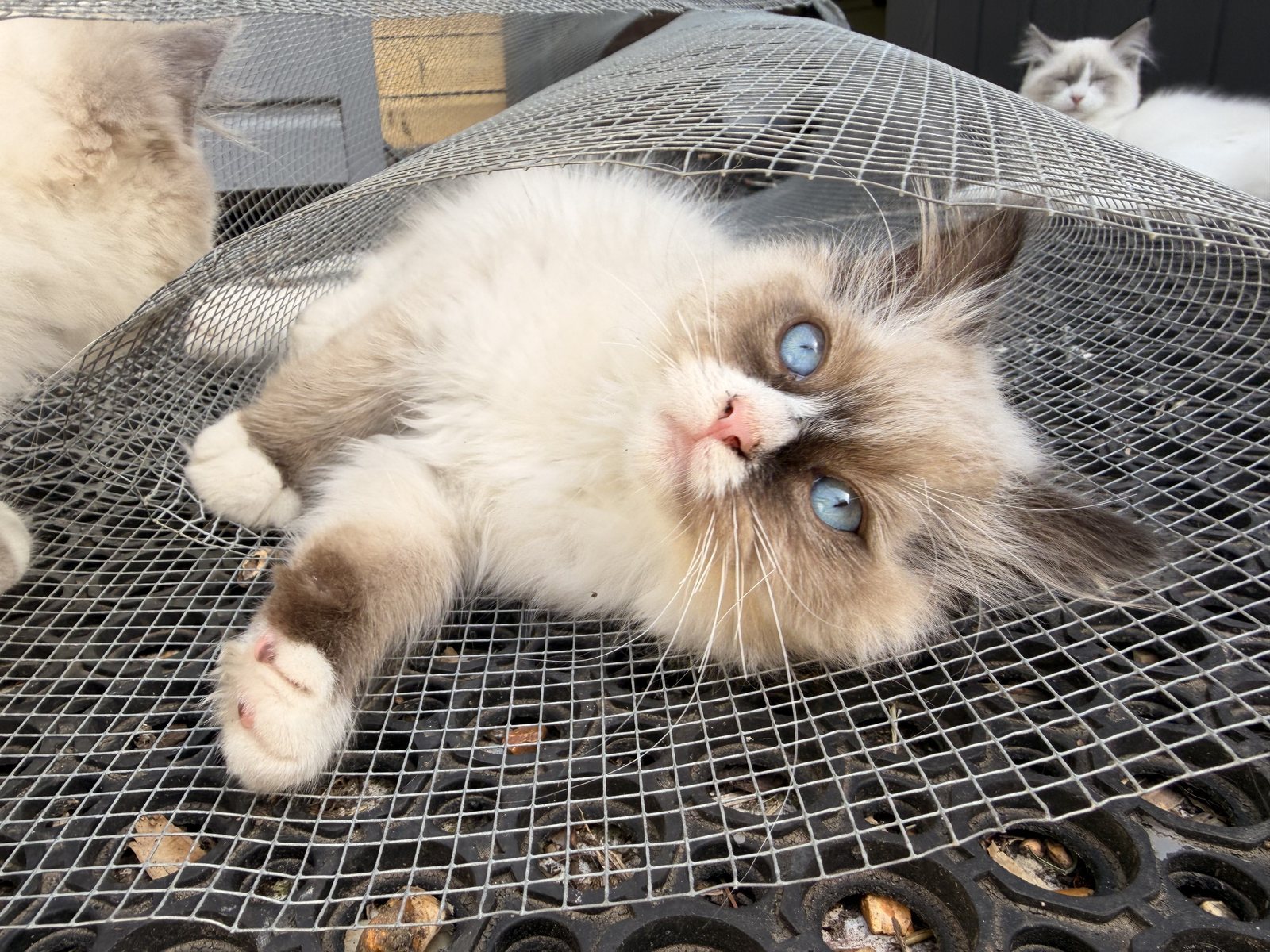
Everything about our setup follows what six decades of research says about how cats naturally organise themselves. The short version: cats are solitary hunters but enthusiastically social, and given abundance, they build something remarkable.
Cats domesticated themselves around ten thousand years ago, drawn to the rodents around the first grain stores, and group living evolved right alongside that bargain. Abundance made tolerance worthwhile, tolerance grew into bonds, and the species that hunts alone learned to live together beautifully when the food never runs out. That last clause is the key to everything: colony life is a luxury behaviour, and it flourishes exactly where scarcity never visits.
A colony is matrilineal at heart: related queens and their kittens form the core, sharing the raising of the young between them. What colonies never have is a pack structure. There is no leader and no chain of command, and when researchers try to construct dominance rankings from cat interactions, the rankings turn out to predict almost nothing about who eats first or thrives most. The truthful picture is a web of individual friendships of different strengths: some cats inseparable, some politely indifferent, every relationship its own treaty.
Colony cats rub against one another, groom one another and sleep in heaps, and each of those behaviours blends their scents into a single group signature, a wearable membership card renewed daily. Familiarity is the whole currency: colonies know their members, greet them by scent, and admit a newcomer only after long, patient introductions. Between familiar cats with plenty of everything, serious aggression is rare, which is why a well run colony is one of the calmest places you can watch cats be cats.
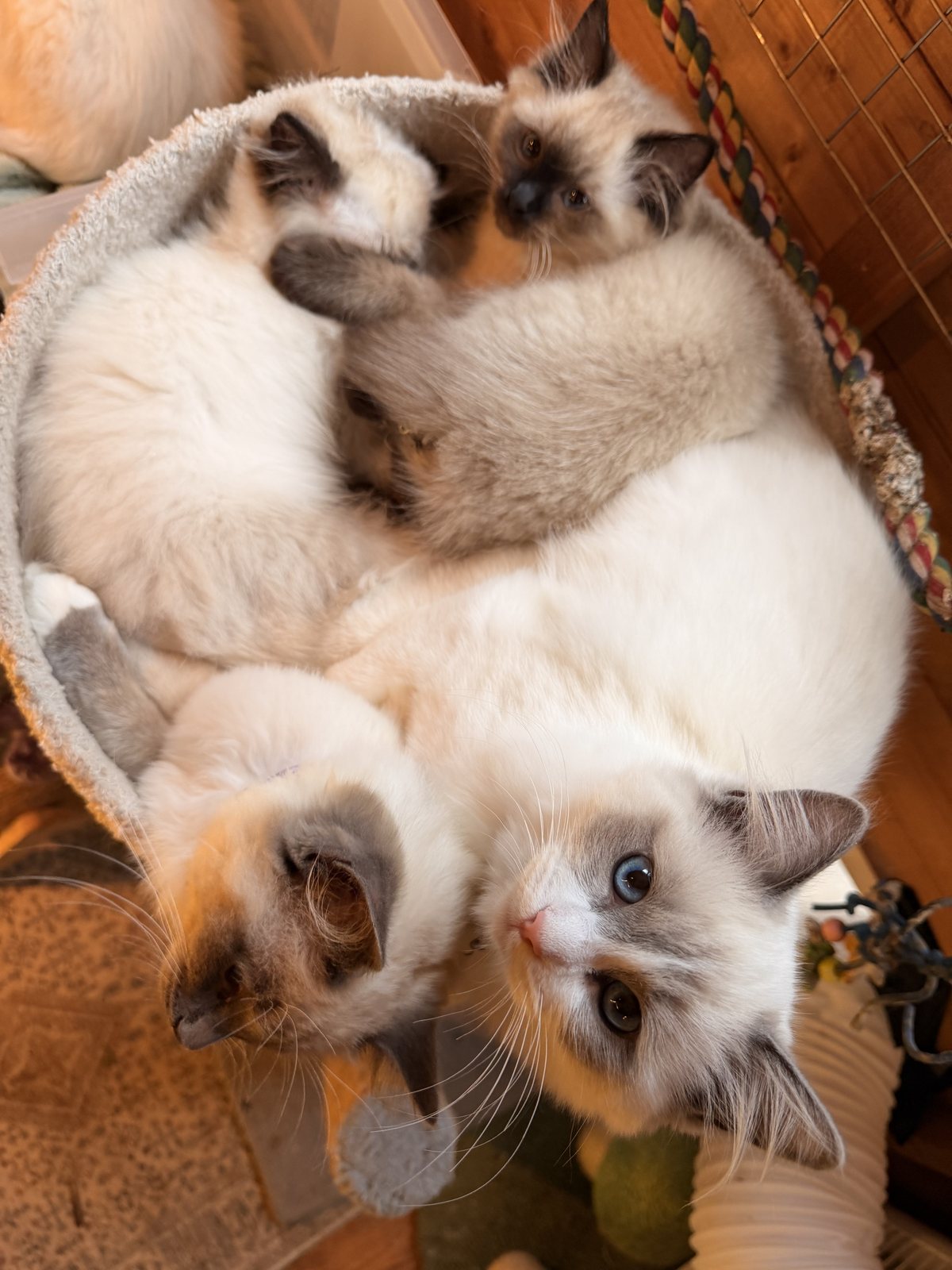
Scarcity is the seed of feline friction, so we simply never plant it. Every cat has their own feeding station and there are spares besides, water sits away from food, and litter trays live in quiet private corners, always more trays than cats. The house is mapped in routes and heights, cleared shelf runs, cat trees at the windows, sanctuaries where nobody is ever disturbed, and the enclosed garden and cat houses add whole territories of their own, with the catio hosting the sunset birdwatching shift. None of it looks like a zoo and all of it is deliberate: the same arithmetic our multi cat harmony and home design guides teach families, running here at full scale, every day.
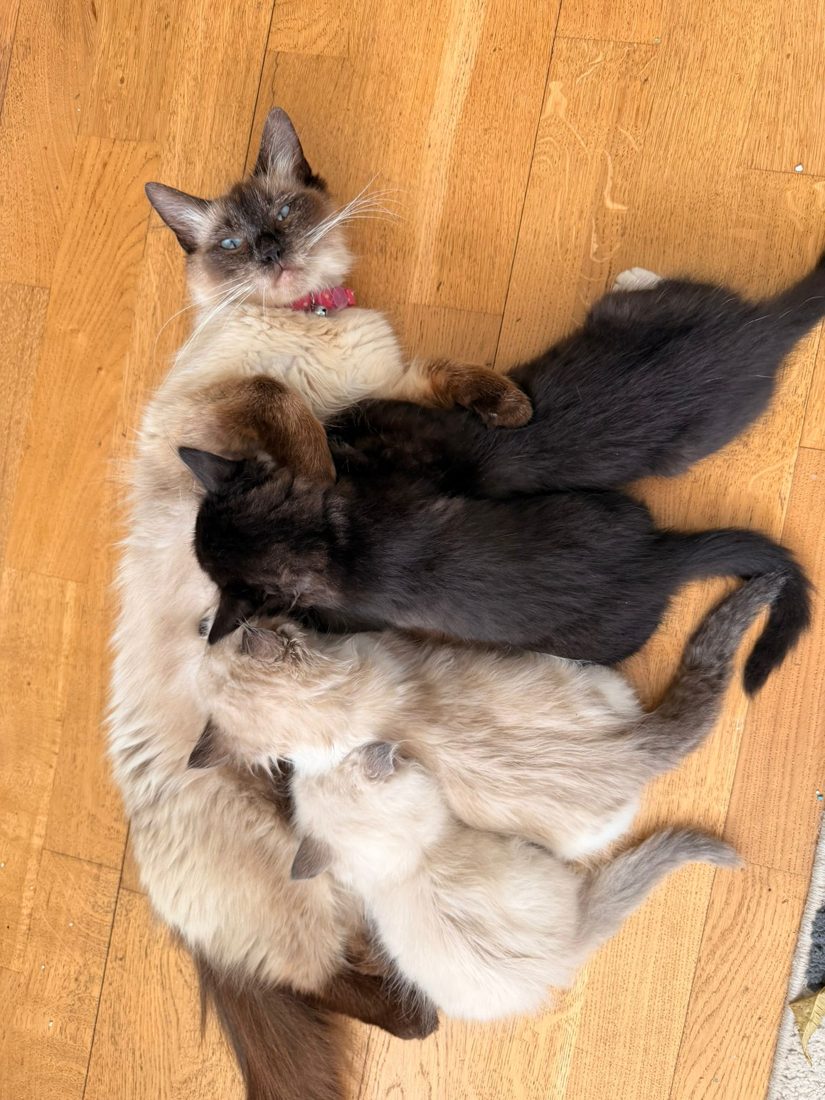
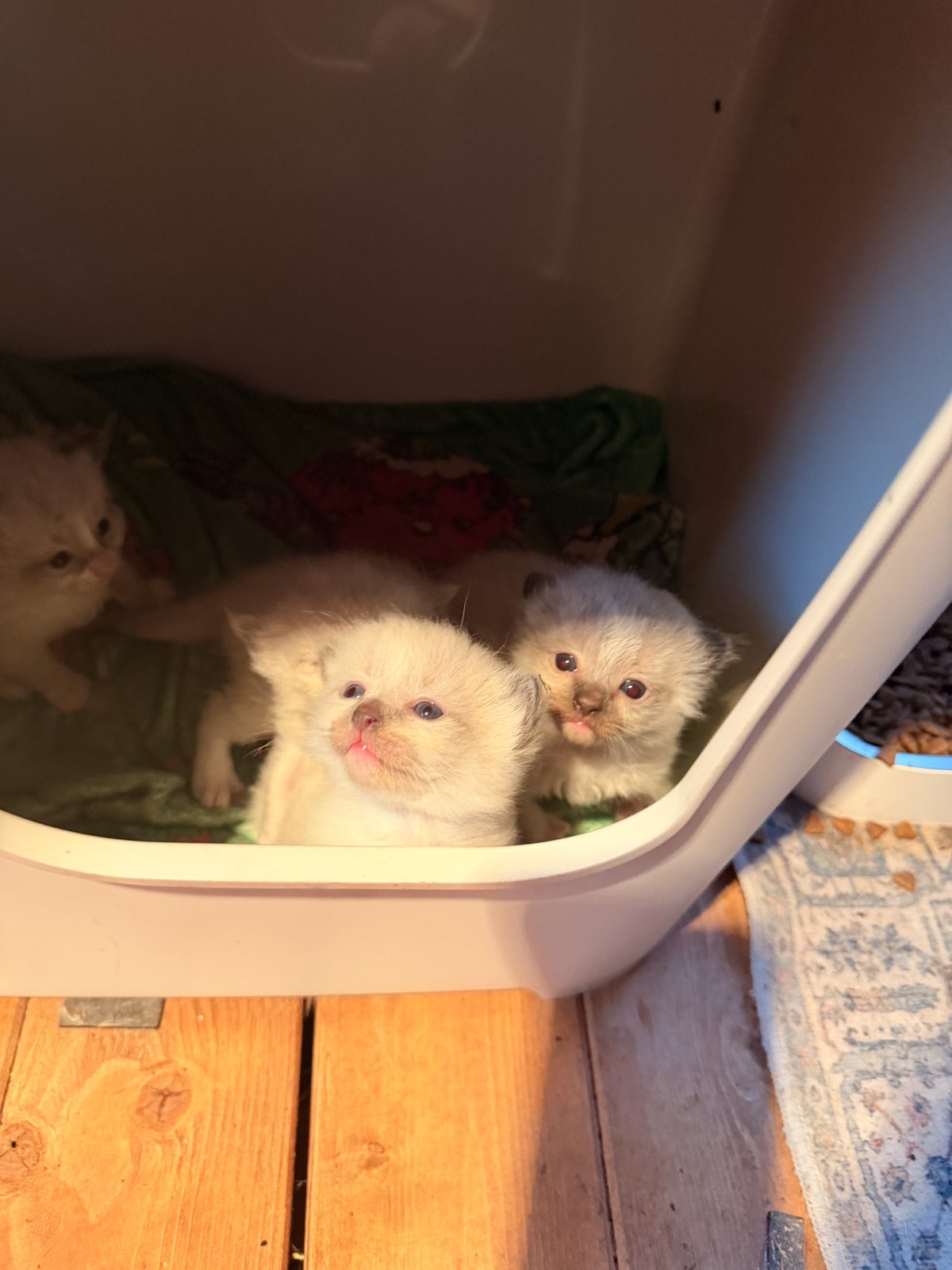
When a litter arrives, the queen raises her kittens in the middle of colony life rather than in isolation, with aunties in attendance to wash whichever kitten wanders past and the whole household serving as the curriculum. Communal rearing is the oldest childcare arrangement in the feline world, and it is simply how every litter here is raised: queens nursing and washing one another’s kittens, each mother surrounded by the family she was raised in herself.
Colony kittens learn bite inhibition from littermates who squeak and end the game, tray habits by copying their elders, confidence from a hoover that nobody else fears, and fluent cat language from patient speakers of every age. We add the human half daily: gentle handling from birth, visitors, ordinary family bustle, and a daily weigh so every kitten’s growth writes itself down. The socialisation window from our development guide fills with both languages at once, cat and human, and that double fluency is the single most valuable thing we give a kitten.
Nobody shouts in a colony. An elder ends a game that goes too far with a look and a walk away, a queen removes a kitten from mischief by the scruff and the lesson lands without a trace of fear. Kittens raised this way arrive in their new homes already understanding boundaries, which is why the gentle methods in our teething guide feel so natural to them: they are simply the human translation of rules the colony already taught.
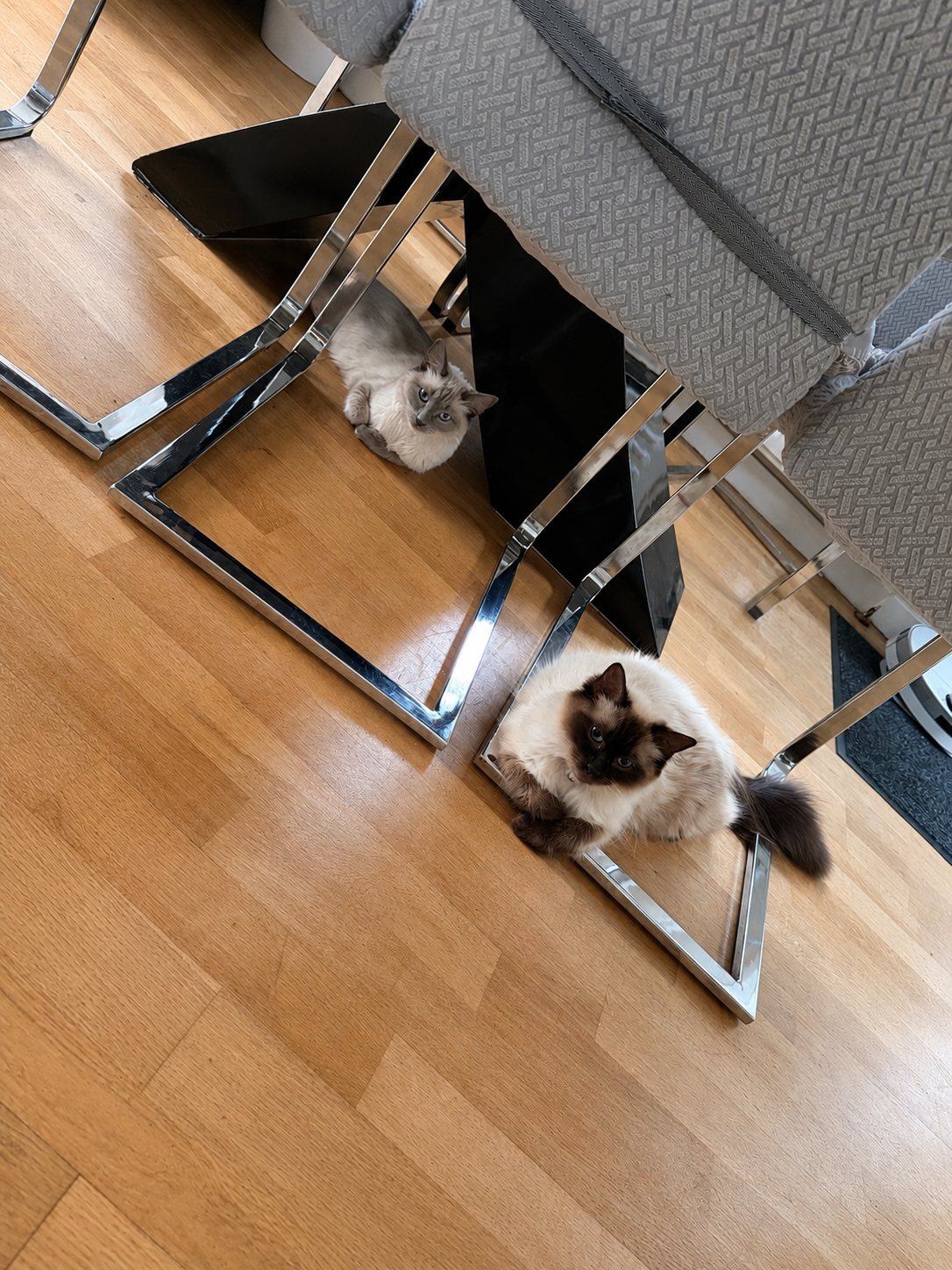
A colony runs on rhythm the way a ship runs on watches. The full diary lives in our day in the colony guide; here is the shape of it.
The breakfast parliament: everyone at their own station, kittens and queens apart, and the bowls doubling as the first health check of the day.
The quiet shift: trays read like tea leaves, the grooming rotation, and the socialisation hour whenever there is a litter in the house.
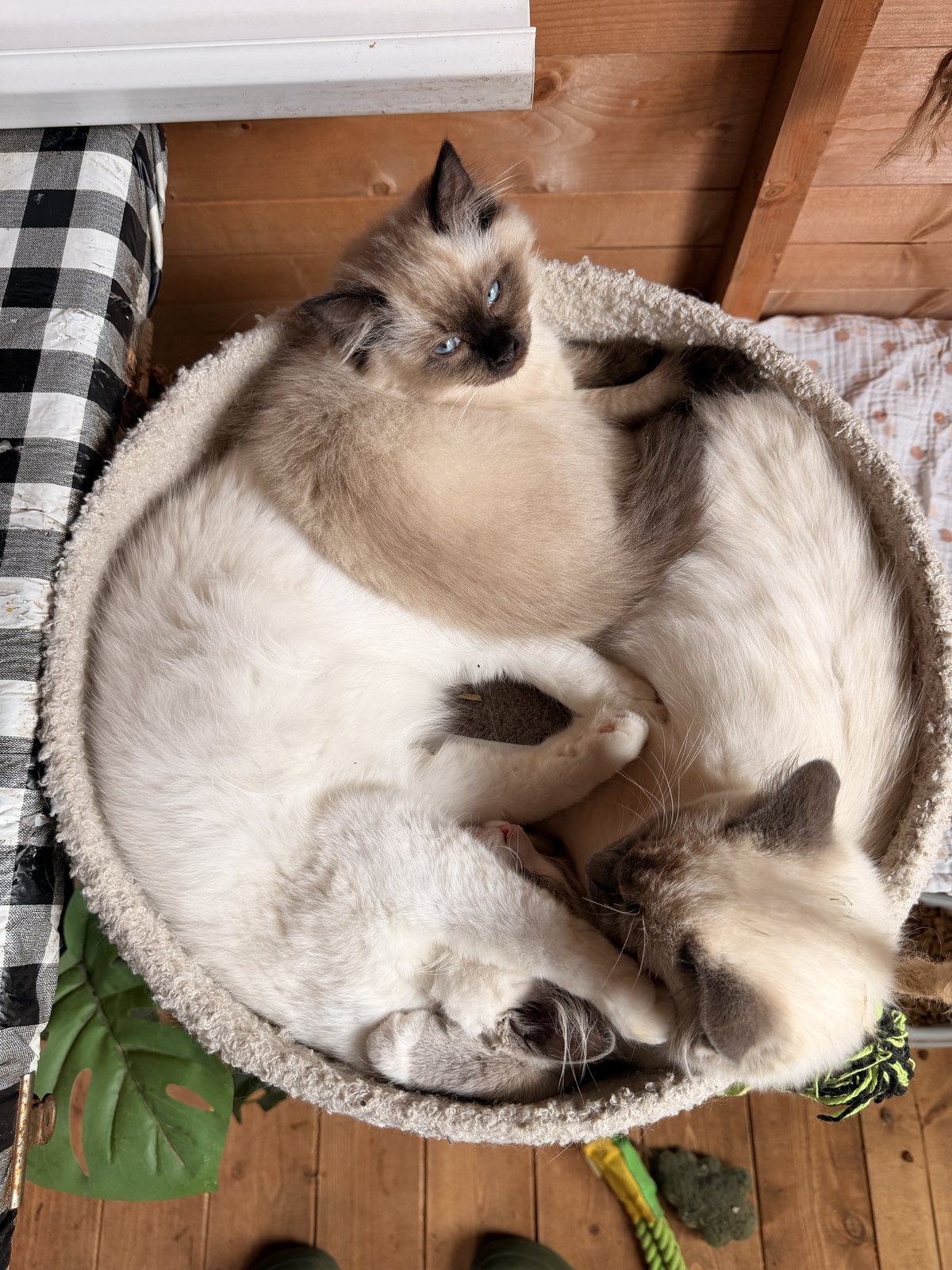
The hunt before dinner: wand games in shifts, the catio sunset session, then the sofa census, a carpet of flopped cats.
The last rounds: doors, windows, the catio latch, and a headcount that must reach fifteen before the lights go out.
The unabridged version, trills and all, is in A Day in the Colony.
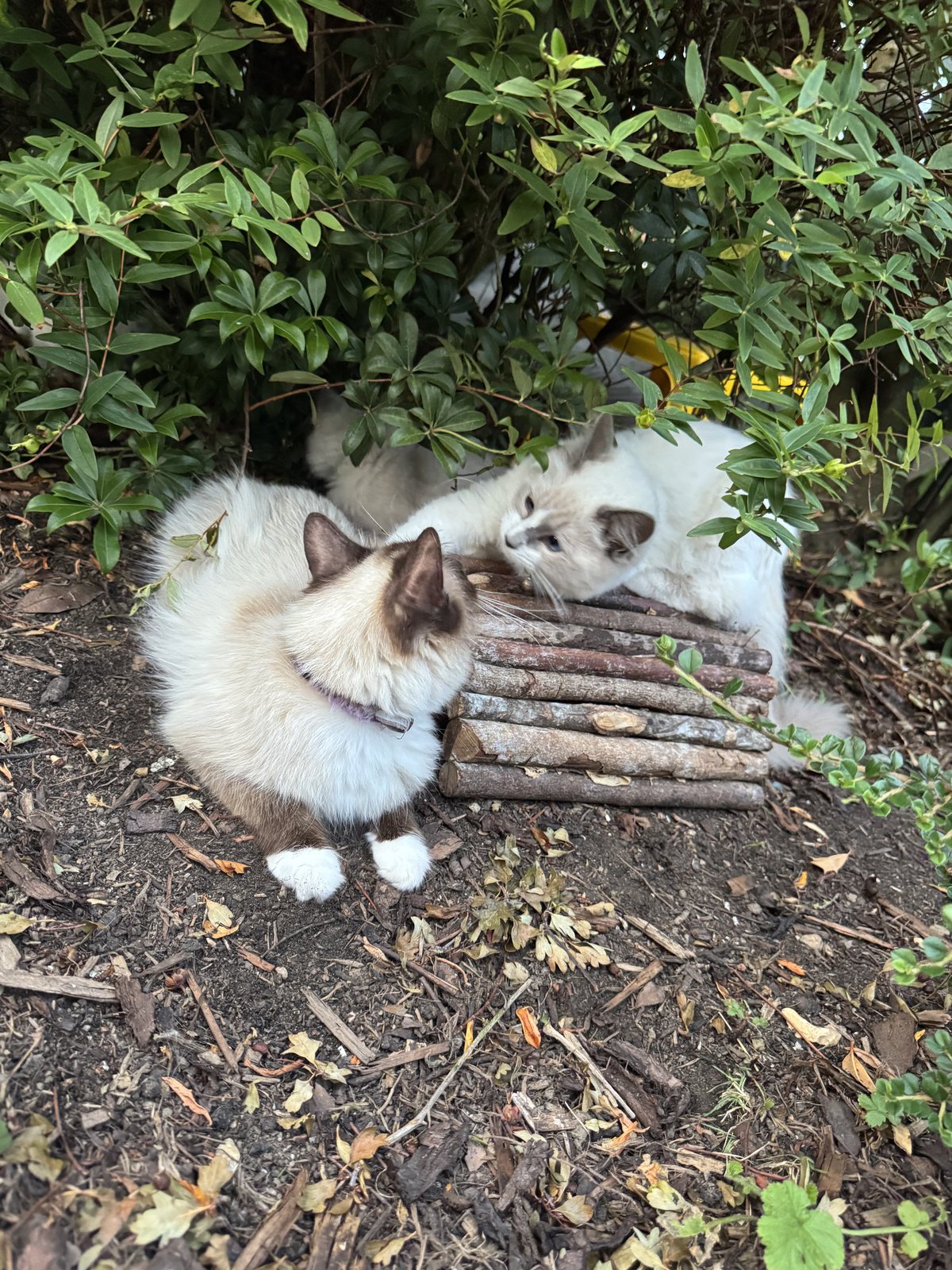
Straight off the phone, exactly as life happens here.
Lawn patrol in the enclosed garden (1 min)
The bush explorers (75 seconds)
Undergrowth games (8 seconds)
House guests: our mandarin ducks, who live freely with our cats (8 seconds)
We are not the only ones fascinated by how cats live together. Three hand picked watches, each one checked and working, from people we genuinely rate:
Battersea’s behaviour team explain how resources, spacing and territory decide whether housemates become friends: the same arithmetic our colony runs on every day. Practical, calm and straight from the UK’s best known rescue.
Watch on YouTube Battersea Dogs & Cats Home
Cats Protection behaviourist Nicky Trevorrow joins the Simon’s Cat team to decode meows, purrs, slow blinks and tail talk: the language our fifteen use on each other all day long. Five charming minutes that make every cat in the room easier to read.
Watch on YouTube Simon’s Cat with Cats Protection
Kitten rescuer and author Hannah Shaw walks through the safe way to bond kittens who are not related, exactly how our nursery brings litters together. Warm, clear and genuinely useful if you ever pair kittens yourself.
Watch on YouTube Kitten Lady
A colony is only as good as its housekeeping, and ours would please a ship’s captain. Because every cat eats from their own plate at their own station, the first cat to leave food is noticed the same morning, and appetite becomes daily information rather than a mystery. The grooming rotation puts the comb through every coat every week, trays are cleaned and read daily, and any cat who needs rest, recovery or peace has quiet quarters away from the bustle until they are ready to rejoin the family. Queens are supported through every kittening, kittens are weighed daily, and behind it all stands our partnership with Wootton Veterinary Centre and the screening behind every litter: no cat is mated here without HCM, PKD, FeLV and FIV testing, blood typing, and a DNA screen covering more than 50 inherited genetic conditions. The plain English version of what all that means lives in our health testing guide, and the wider picture on our Health & Care page.
The famous Ragdoll temperament is bred in the pedigree, but it is finished in the colony. A kitten who has spent every day of their first weeks inside a busy, kind, fifteen cat family arrives at your home already fluent in society: they settle faster, read other cats accurately, accept the comb as a fact of life and treat family bustle as entertainment, because they have never known anything quieter. They pair beautifully, weighed up properly in one kitten or two, take introductions to resident cats and gentle dogs with a head start through our second cat and cats and dogs methods, and meet children as one more interesting citizen of a large, kind world, as our children and kittens guide describes. Every kitten on our kittens page was raised exactly this way.
Colony raising is sometimes imagined as chaos, and it is the opposite: rhythm is the whole method, and a well run colony is calmer than most single cat households. It is not less individual attention but more, because fifteen cats means fifteen names, fifteen characters and fifteen daily check ins, every one of them known and doted on, as the family portraits on our story page show. And it is certainly not a shortcut: it is the slowest, most labour intensive way to raise kittens that exists, which is precisely why so few breeders do it, and why the kittens who come out of it are what they are. Our homing stays readiness led, from 8 weeks at the very earliest, because the colony finishes each kitten on the kitten’s own schedule, not the calendar’s.
Our colony is a family of fifteen purebred Ragdolls in a whole spectrum of colours and markings, every one of them named, known and adored. Here they all are, role by role.
The seven girls at the heart of our breeding programme, each health tested before every mating, and between them they carry the colony’s whole spectrum of colours. When litters overlap, our queens think nothing of feeding one another’s kittens: a baby here grows up with more than one source of milk, warmth and washing.
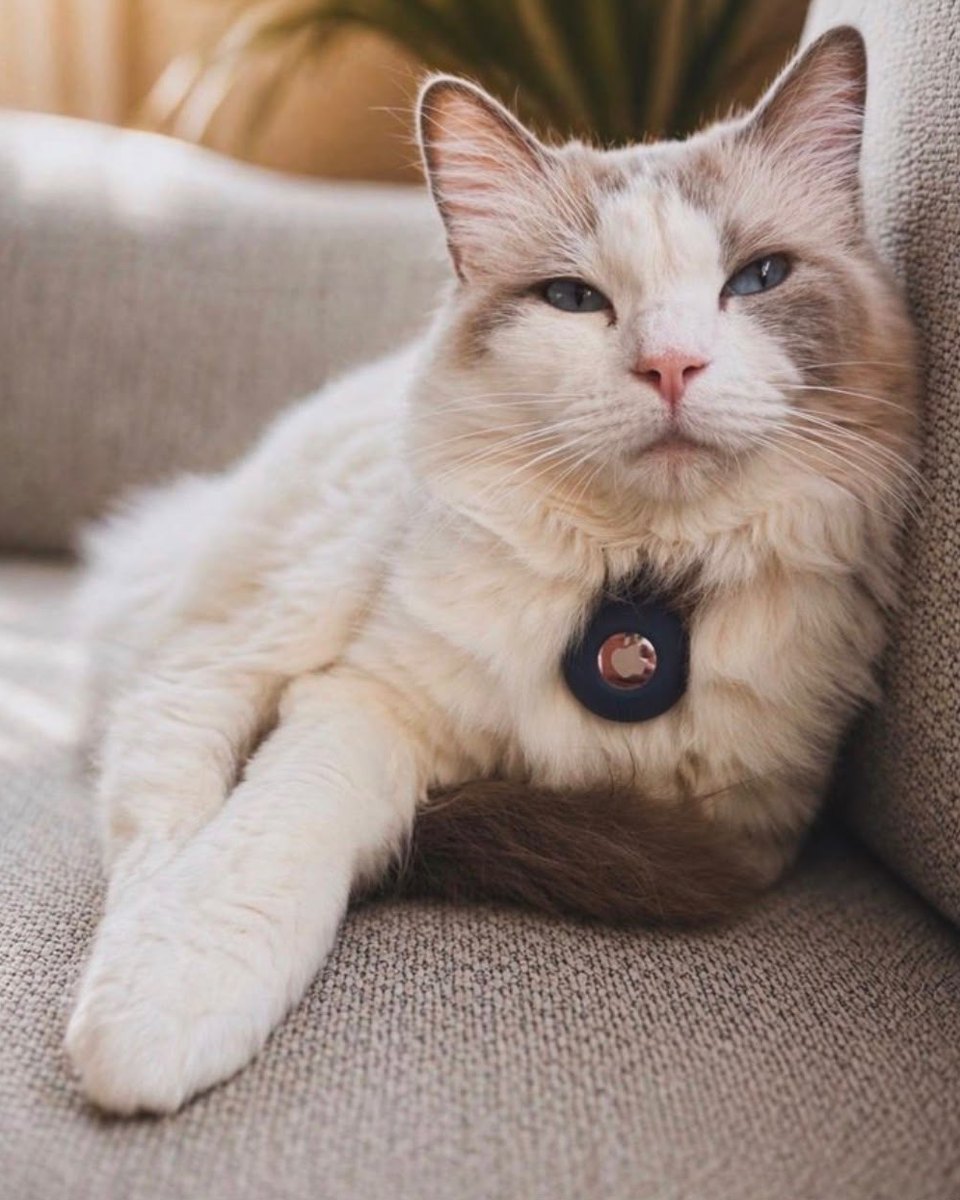
Snowflake, queen
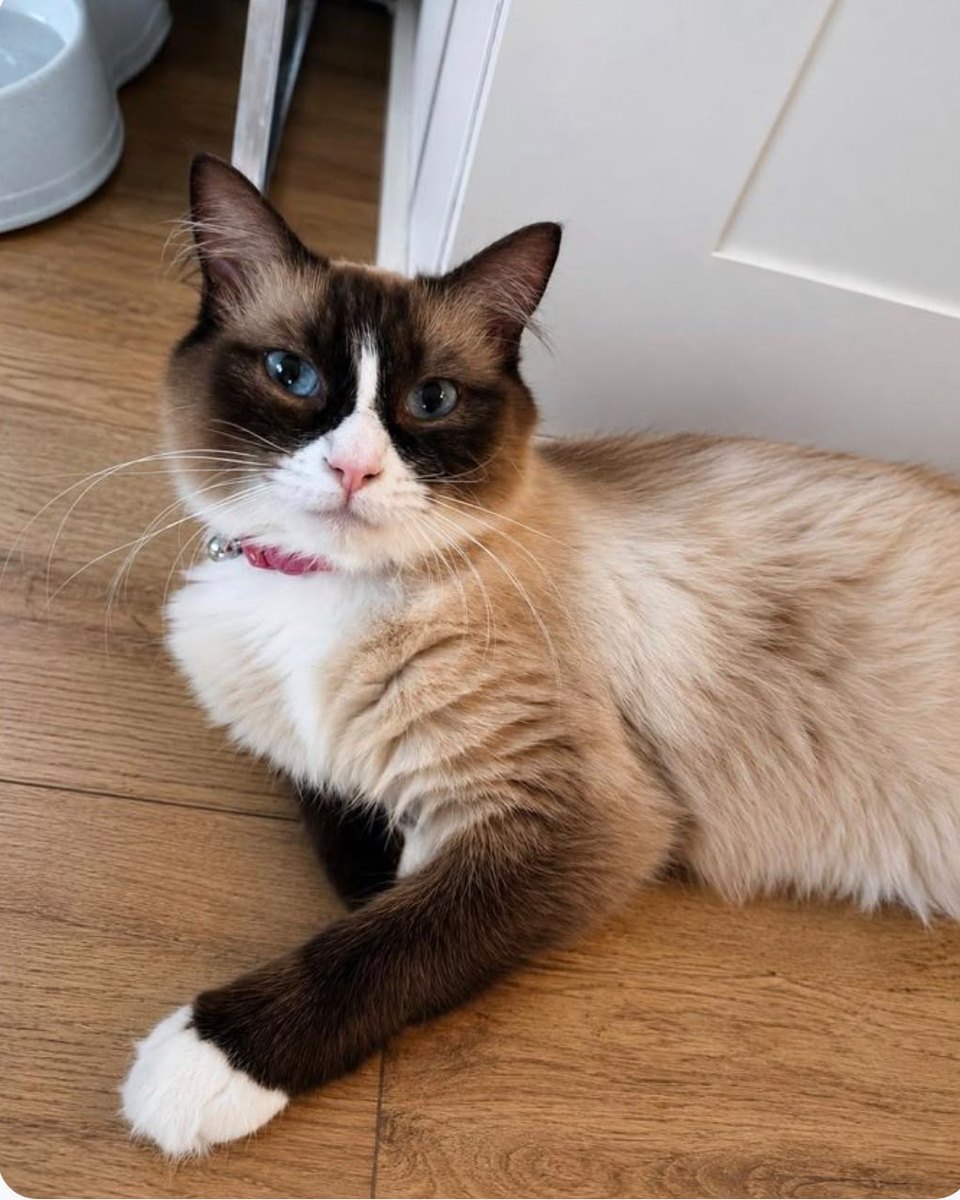
Pulaski, queen
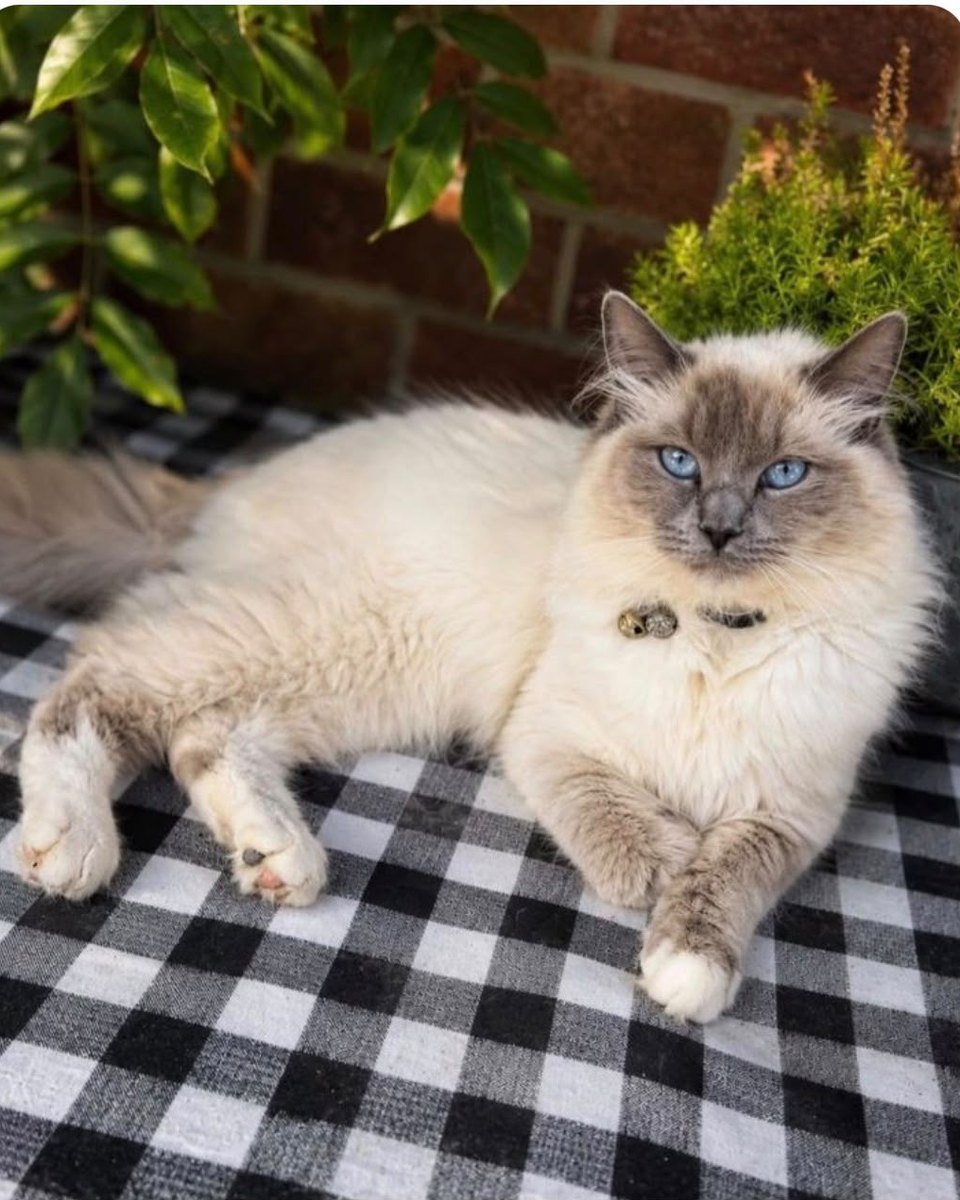
Milkyway, queen
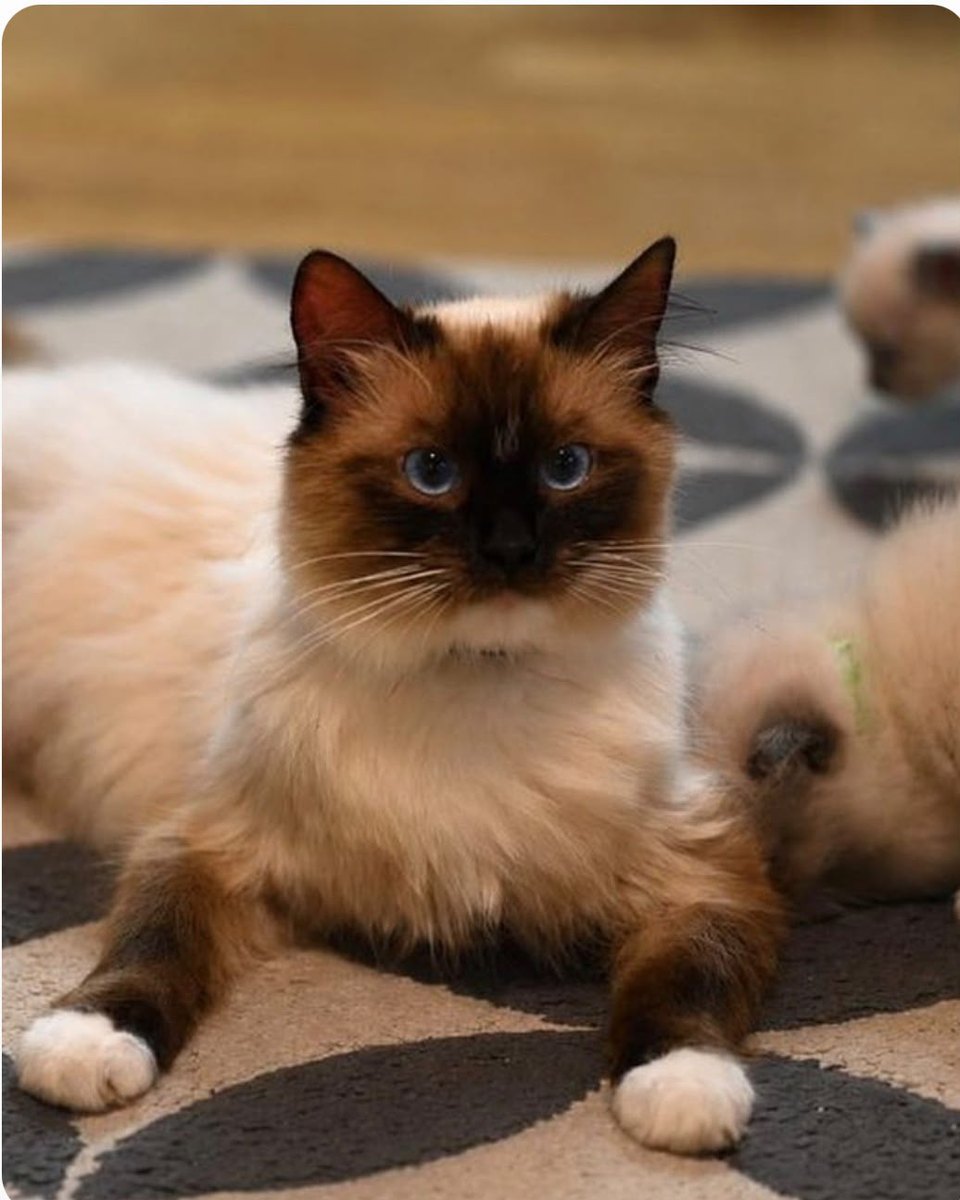
Tennessee, queen
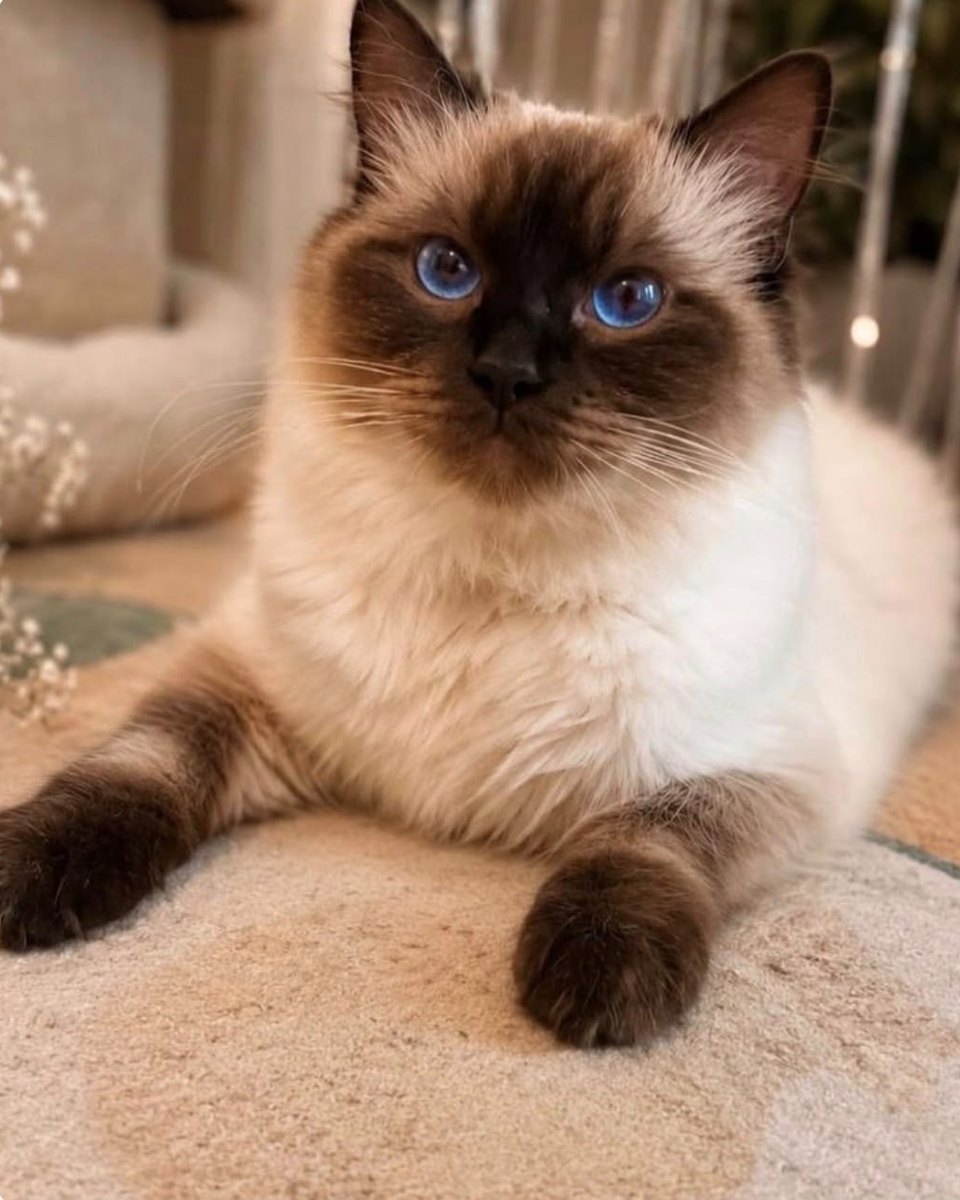
Dorothy, queen
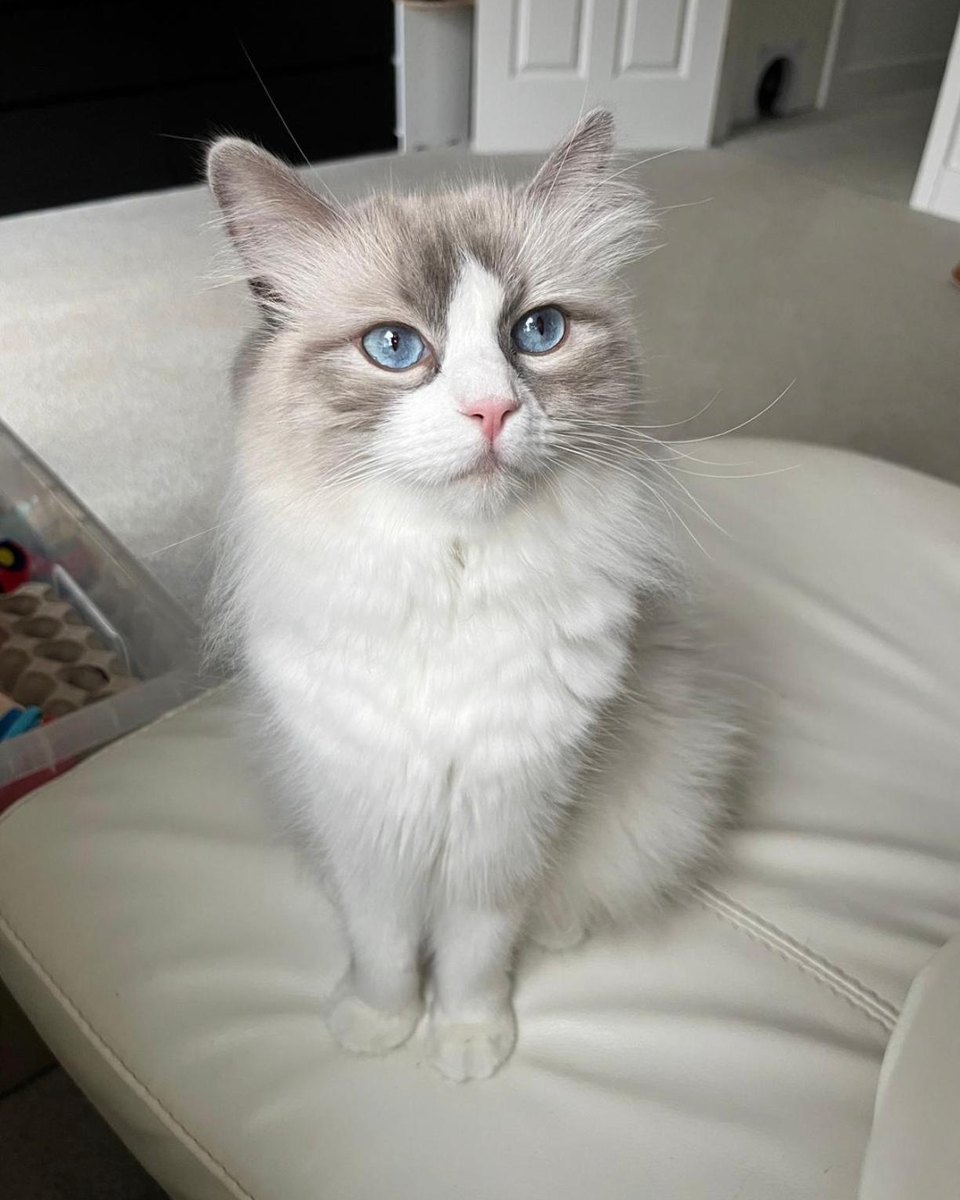
Marshmallow, queen
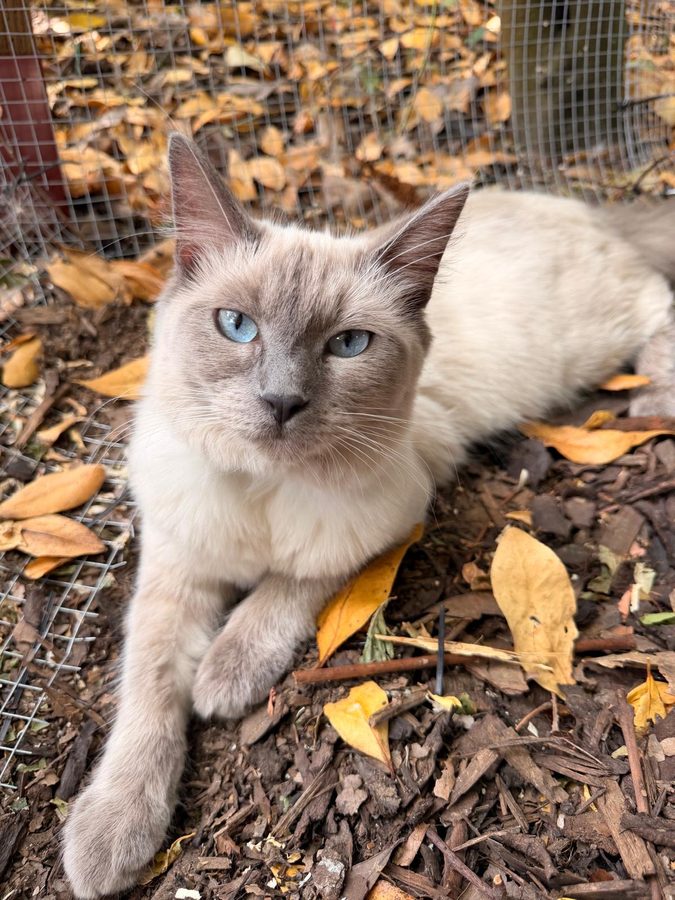
Fifi, queen
Aqua and Dunston, our two studs, live in the heart of the colony as family pets, never shut away. Stud cats kept apart grow lonely and frustrated; ours grow into gentle uncles instead.
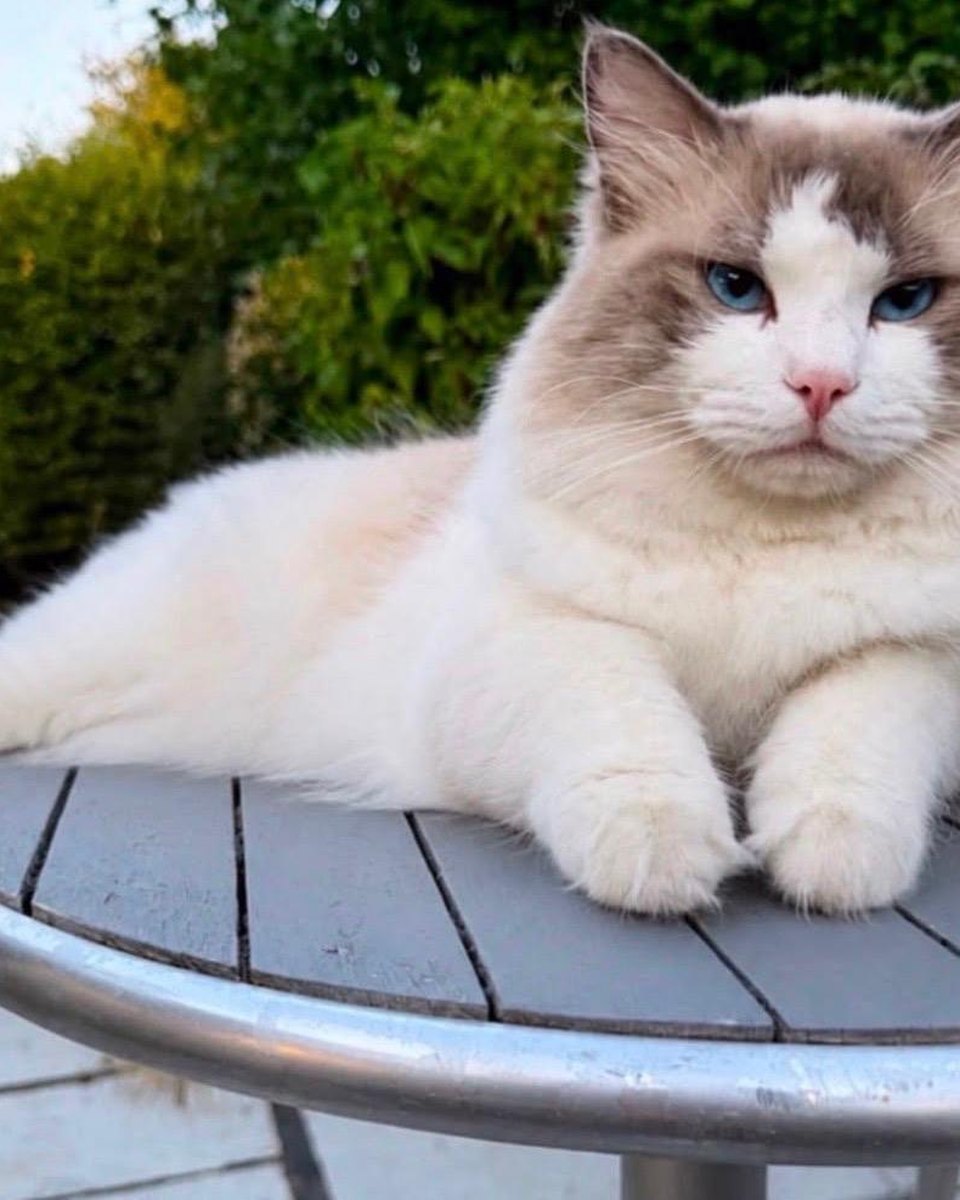
Aqua, stud
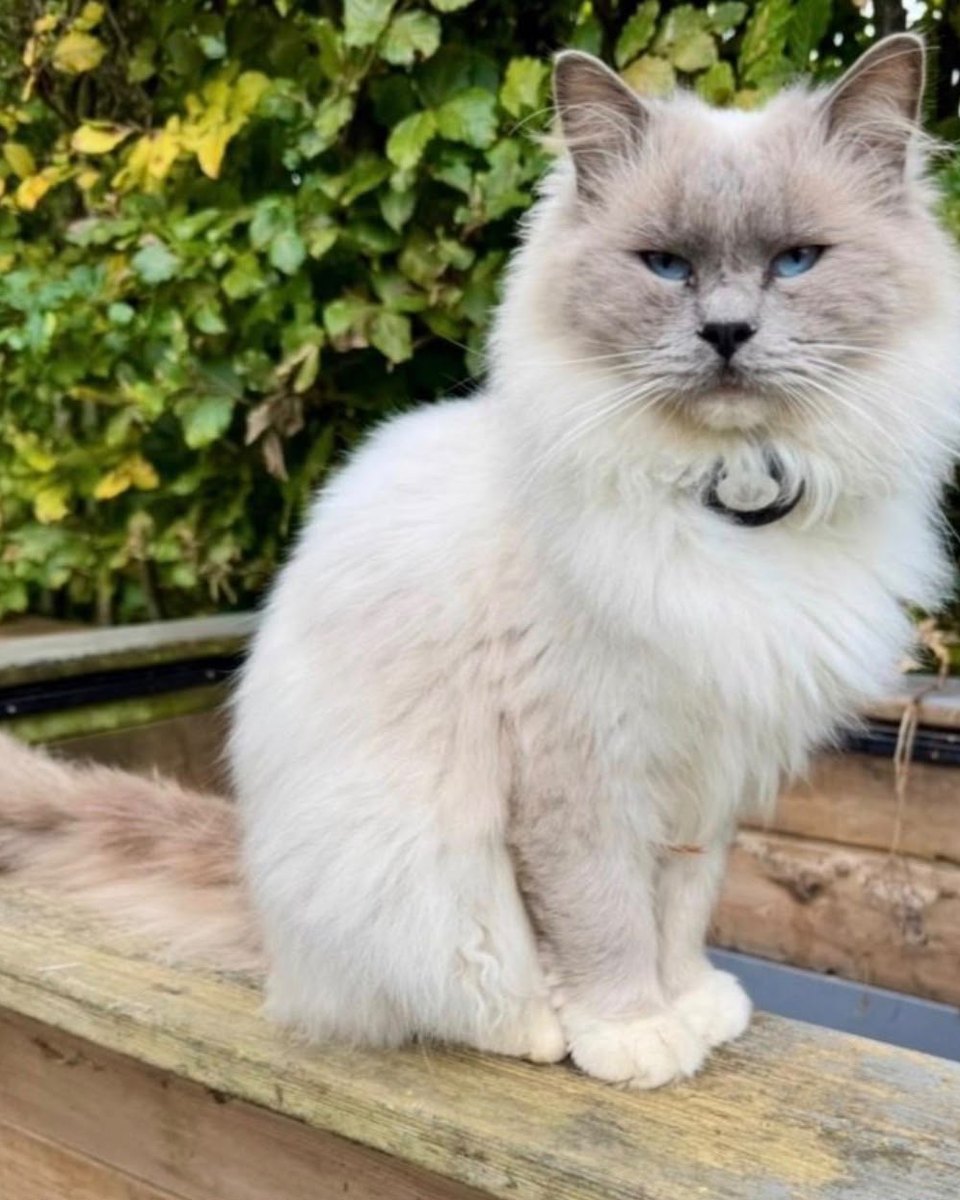
Dunston, stud
Six younger girls growing up in the heart of the colony, learning everything from their mothers and aunties. Some may join our breeding programme when they are fully mature and health tested; all of them are family first.
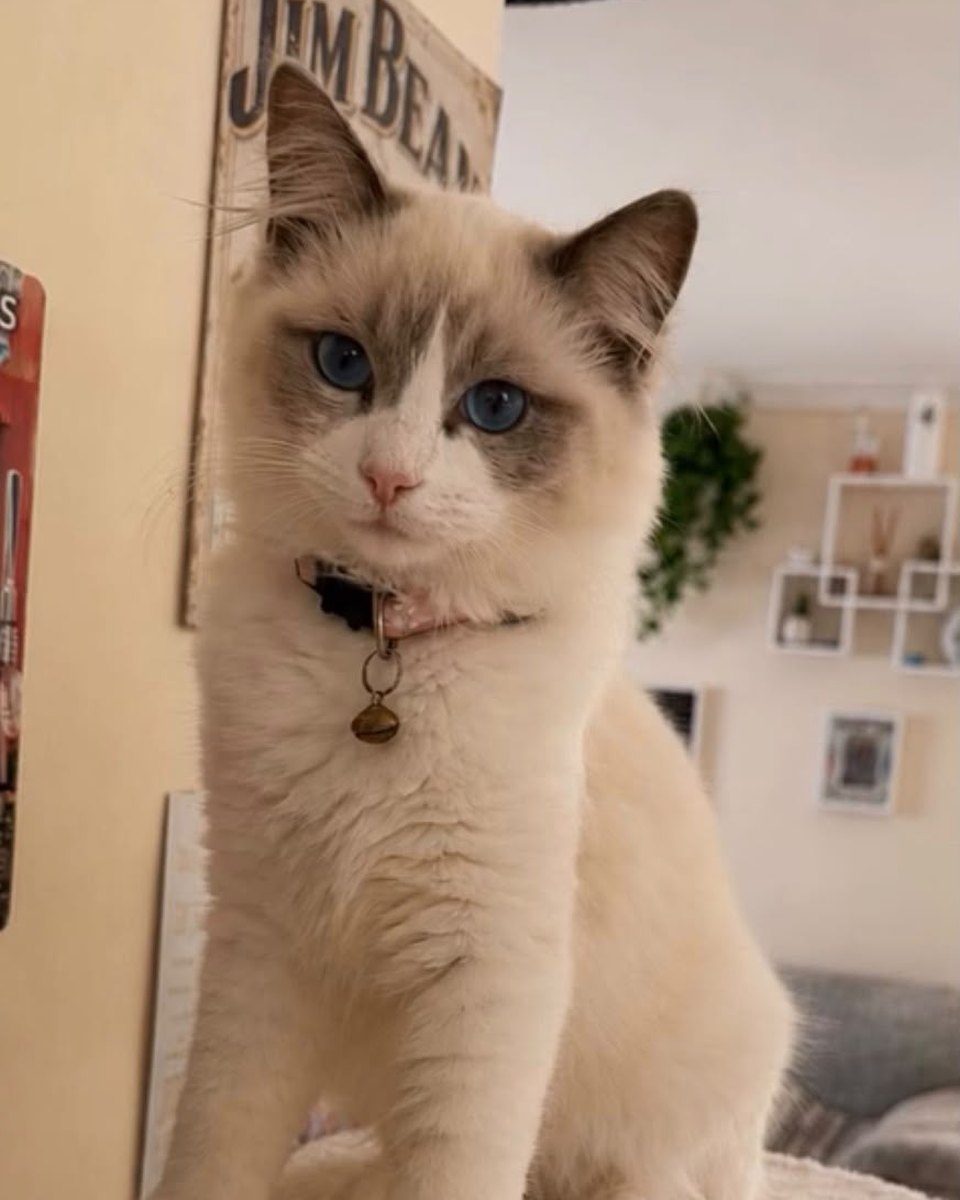
Kitty, rising girl
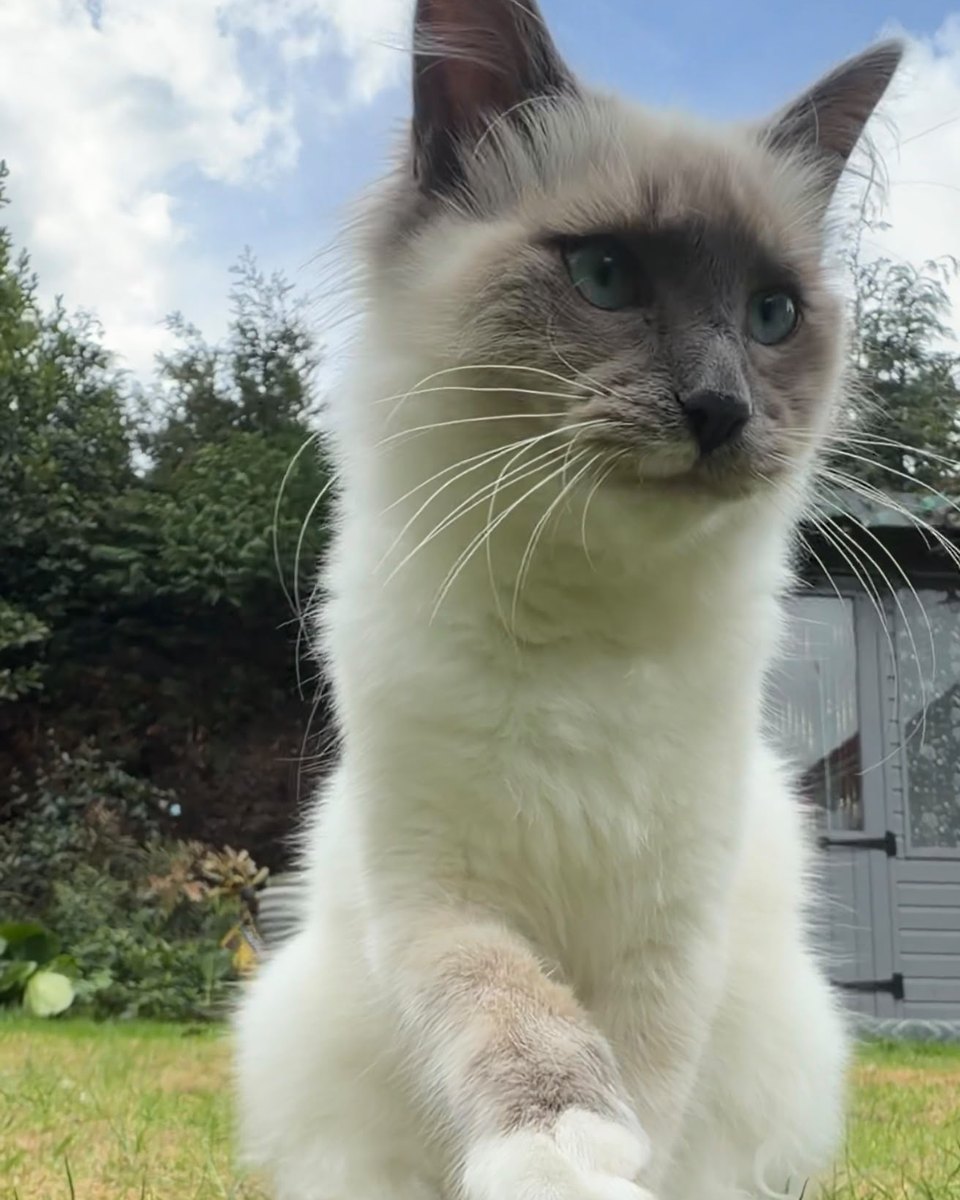
Skye, rising girl
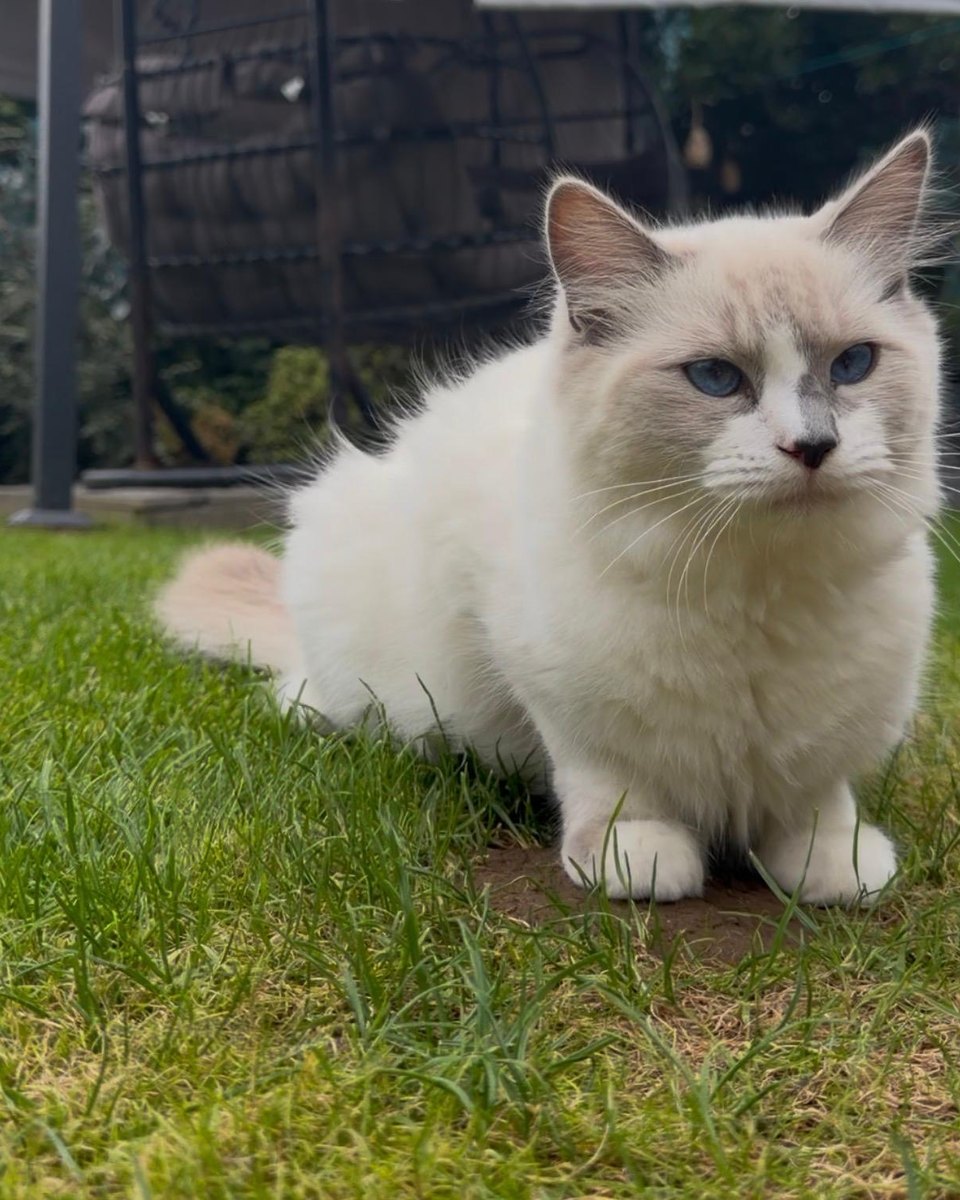
Boo, rising girl
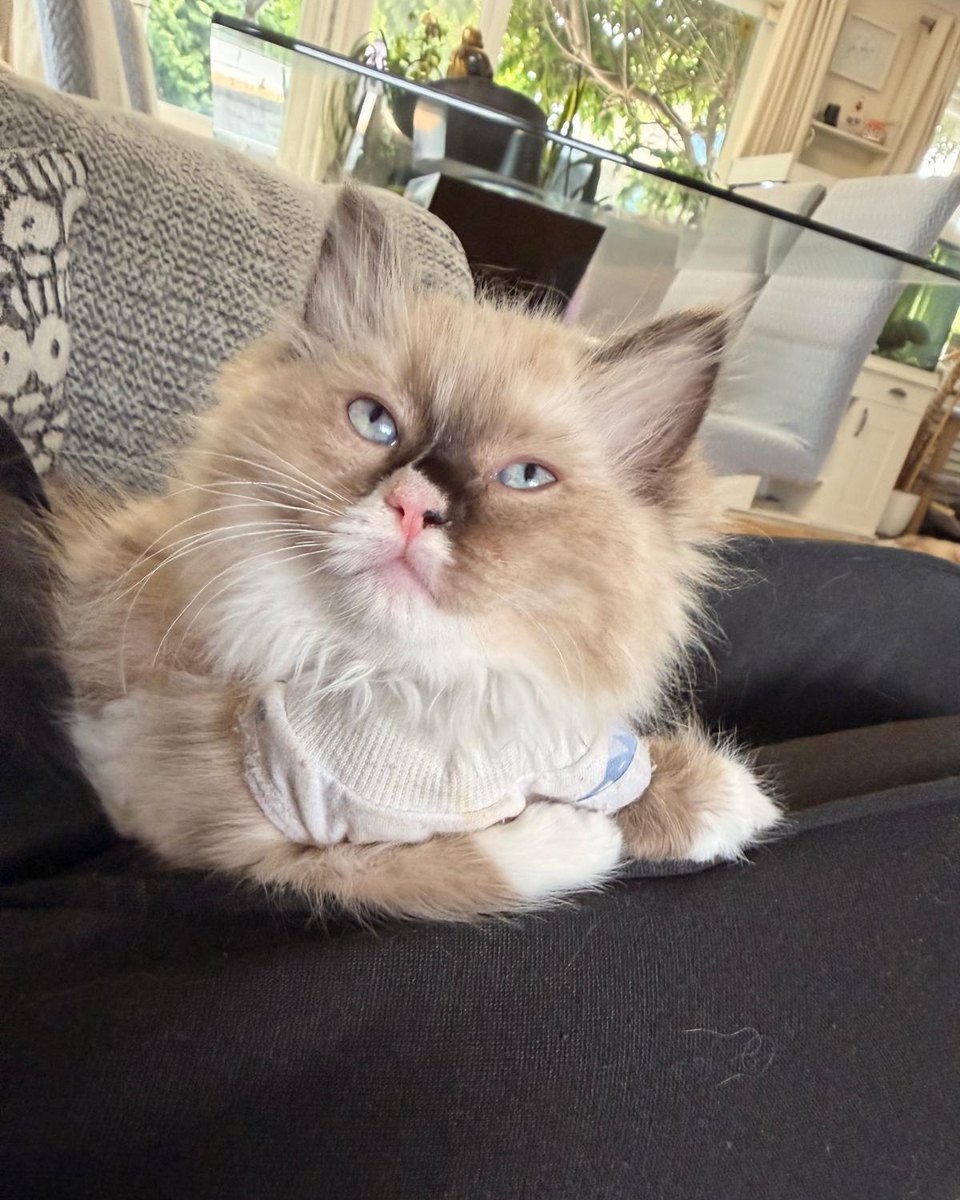
Daisy, rising girl
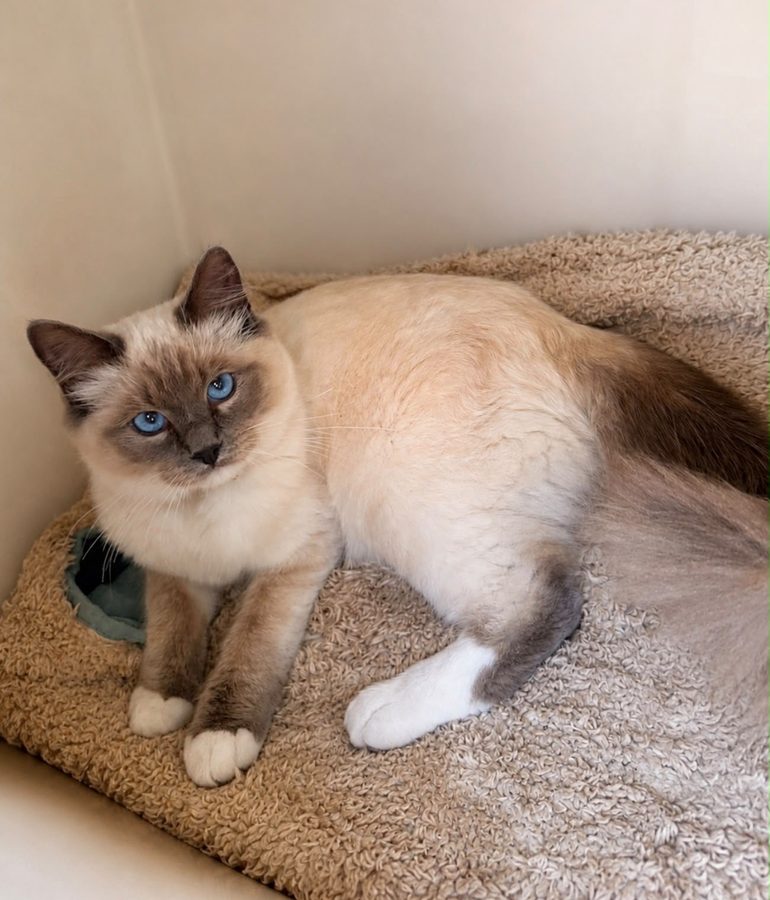
Clover, rising girl
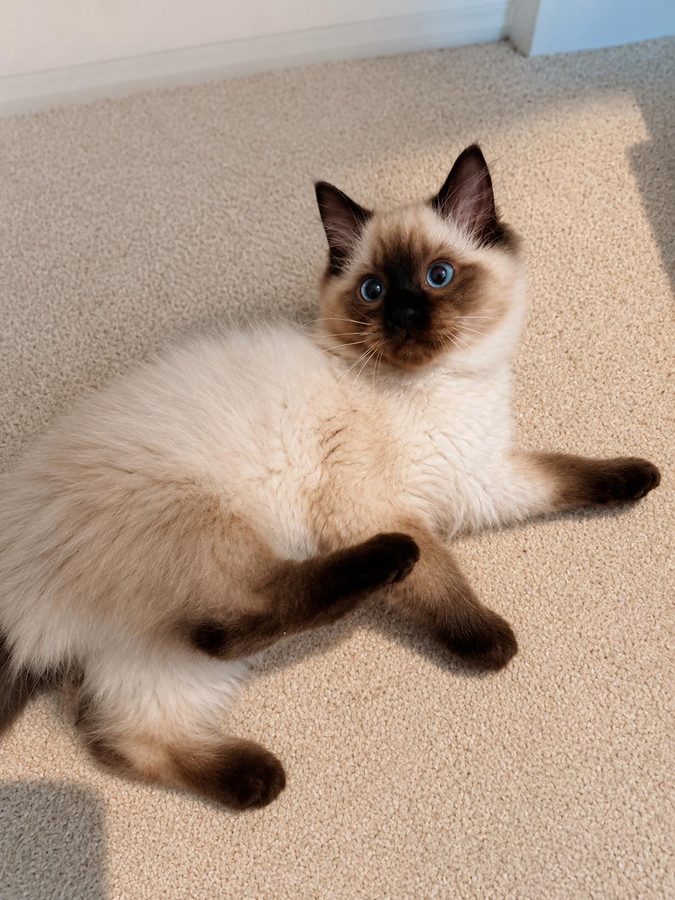
Dotty, rising girl
Fifteen cats do not run on good intentions; they run on protocol, kept simple enough to happen every single day. Food and water stations are refreshed morning and evening, every litter tray is cleaned and read daily, bedding is laundered on rotation and surfaces are cleaned and disinfected to a schedule, not a mood. Every cat gets a hands on welfare check morning and night, the grooming rotation puts the comb through every coat every week, kittens are weighed daily so growth writes itself down, and it all goes in the records, because with fifteen cats a memory is not a system. The premises, the catio, the equipment and the emergency kit get their own routine checks, the way a good ship checks its lifeboats.
Every mealtime is monitored as well: our CCTV runs facial recognition at the feeding stations, so we know exactly who has eaten, who has grazed and who has skipped a meal, which is often the very first sign that something is off.
Ragdolls are the headline act, but they share the garden with a supporting cast. Kittens raised here grow up to a soundtrack of clucking, quacking and the occasional peacock announcement, which is one reason so little startles them later.
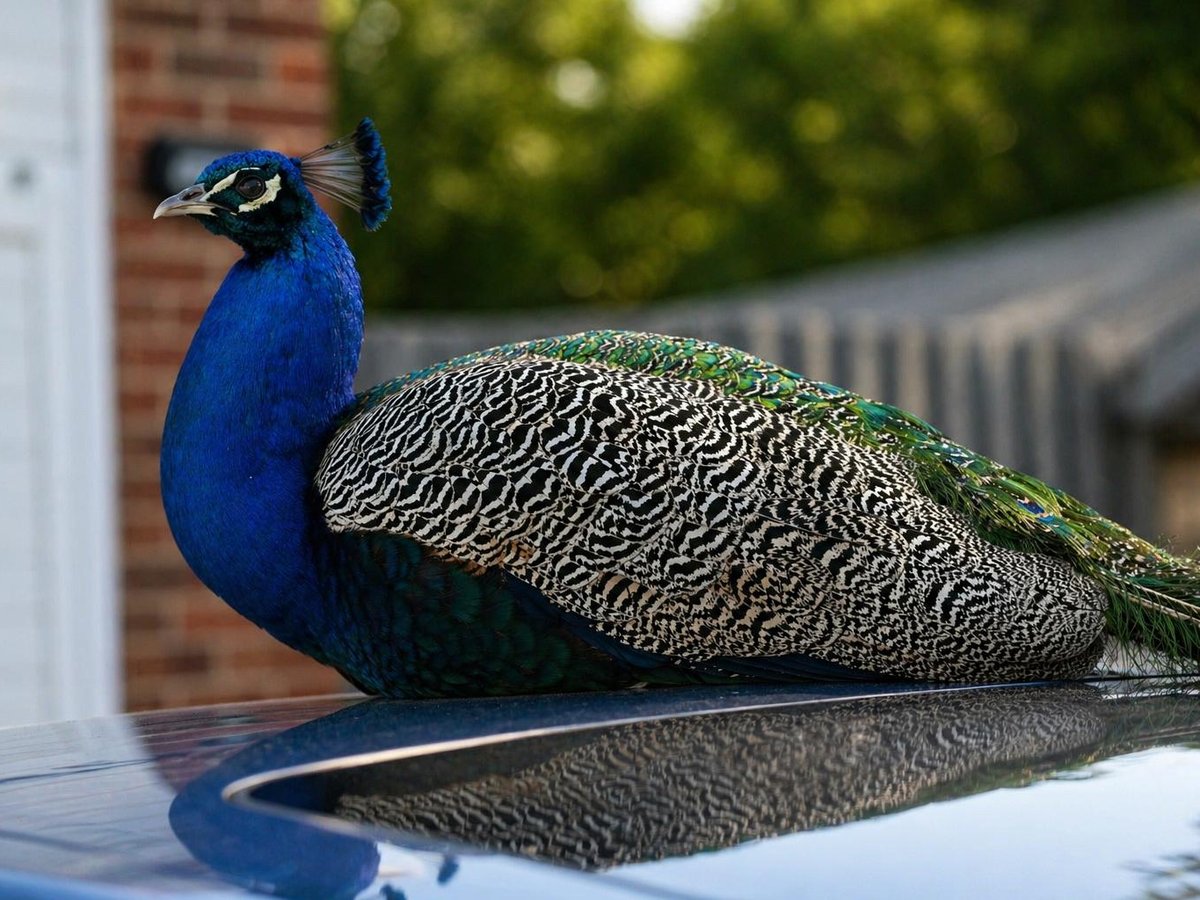
Yes, a peacock, and he has appointed himself guardian of the colony. He watches the whole garden from the tallest tree, announces visitors long before the doorbell does and raises the alarm at anything he does not like the look of. At feeding time he comes down to join in, lives quite happily alongside the cats, and will take food from the hand, with a firm preference for cat treats.
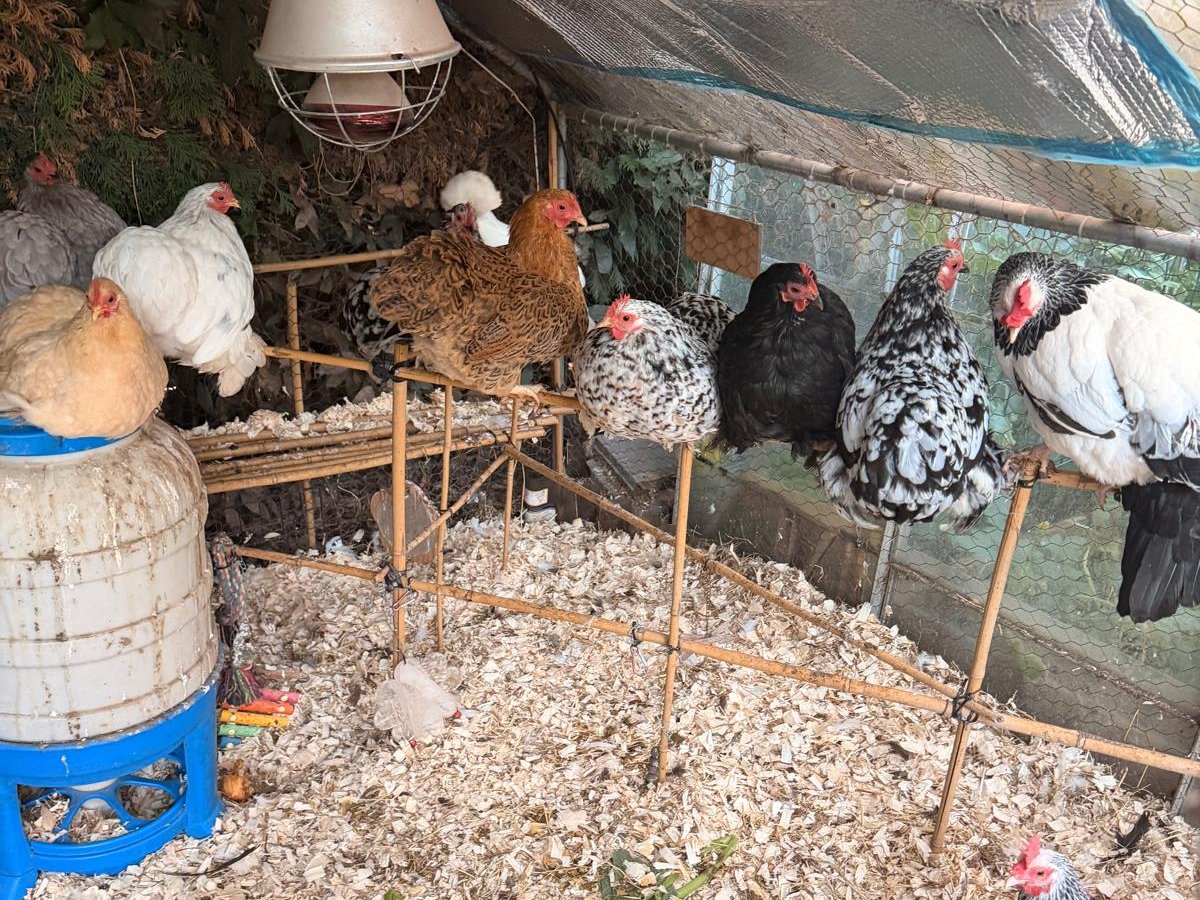
A mixed flock of bantams, Pekins and a crested Polish among them, in their own covered run with a heat lamp for cold snaps and a daily delivery of kitchen greens and windfall apples.
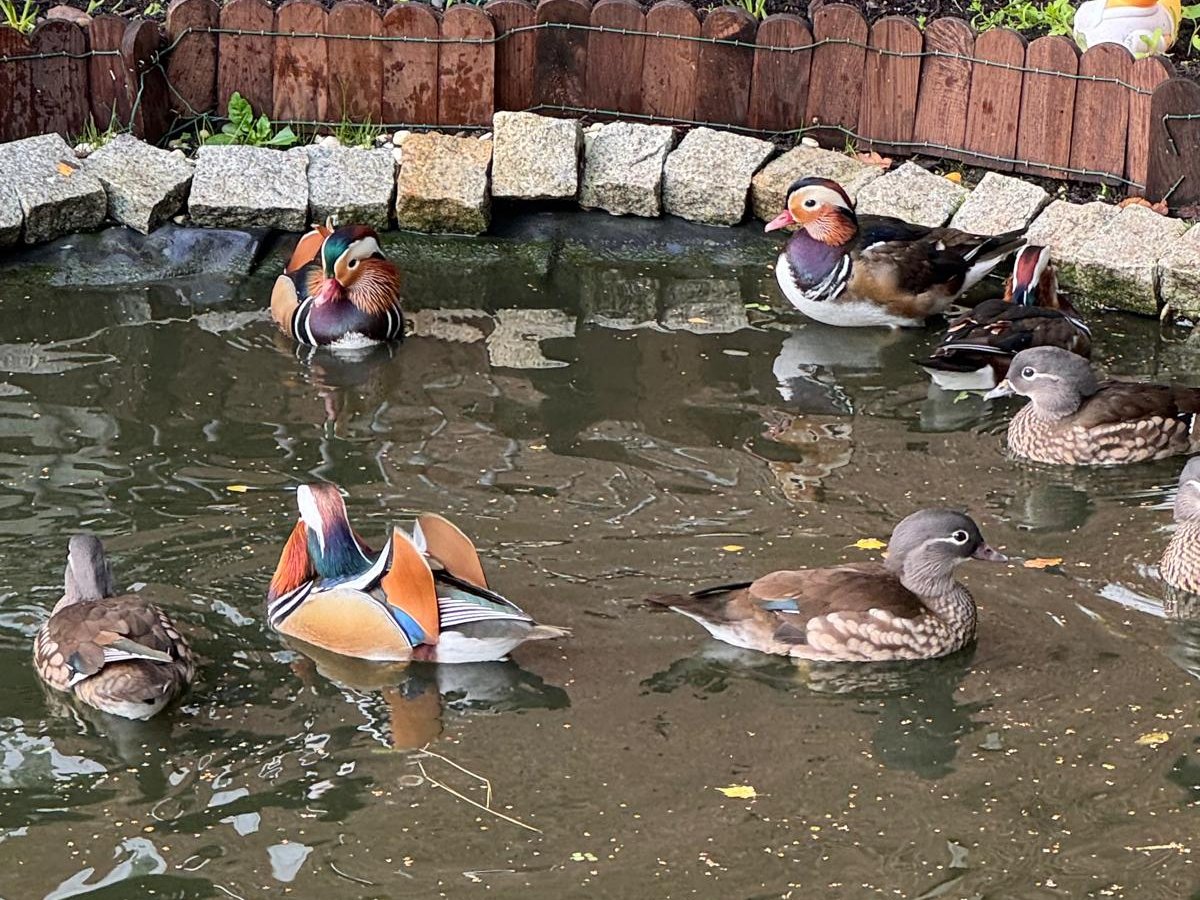
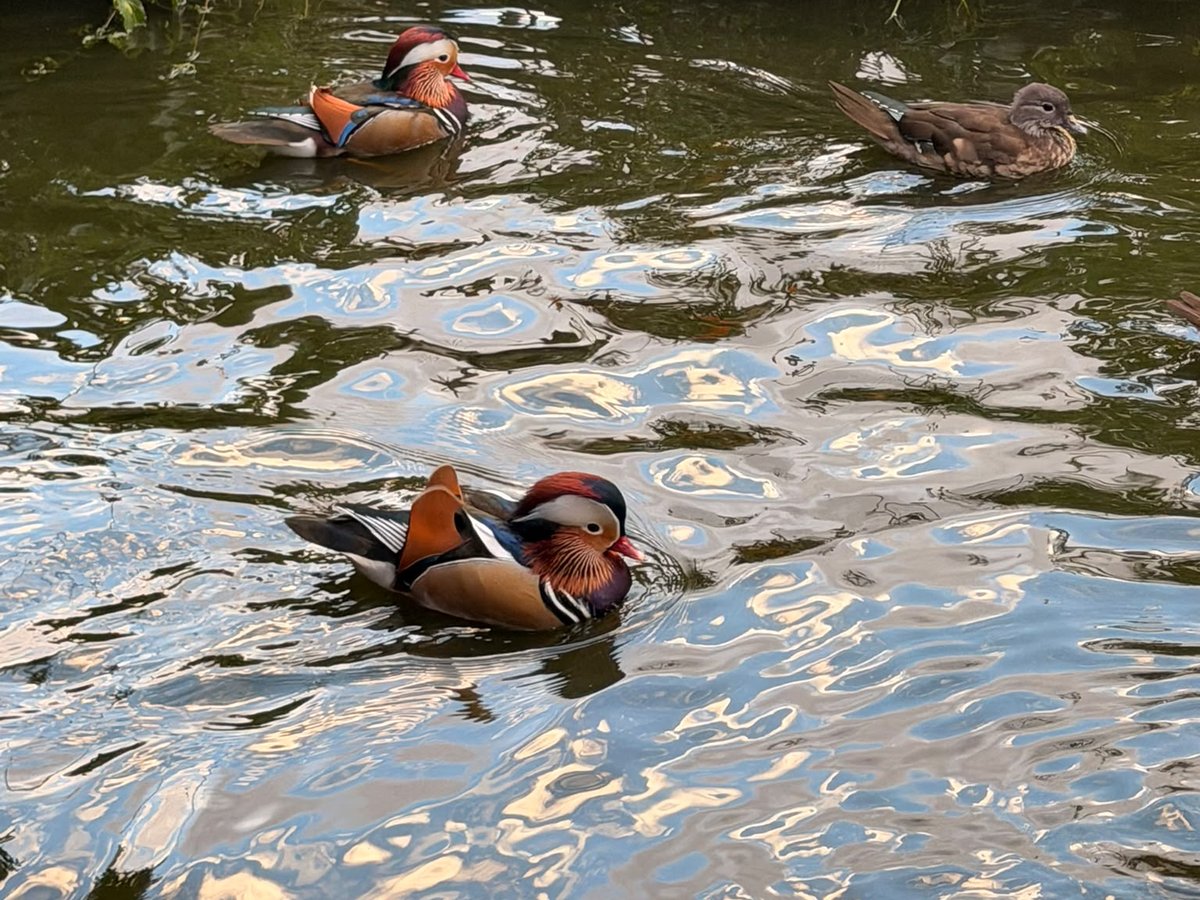
The pond belongs to the Mandarin ducks: drakes in their orange sail feathers, hens in quieter speckled brown, with a white duck and a mallard family for company.
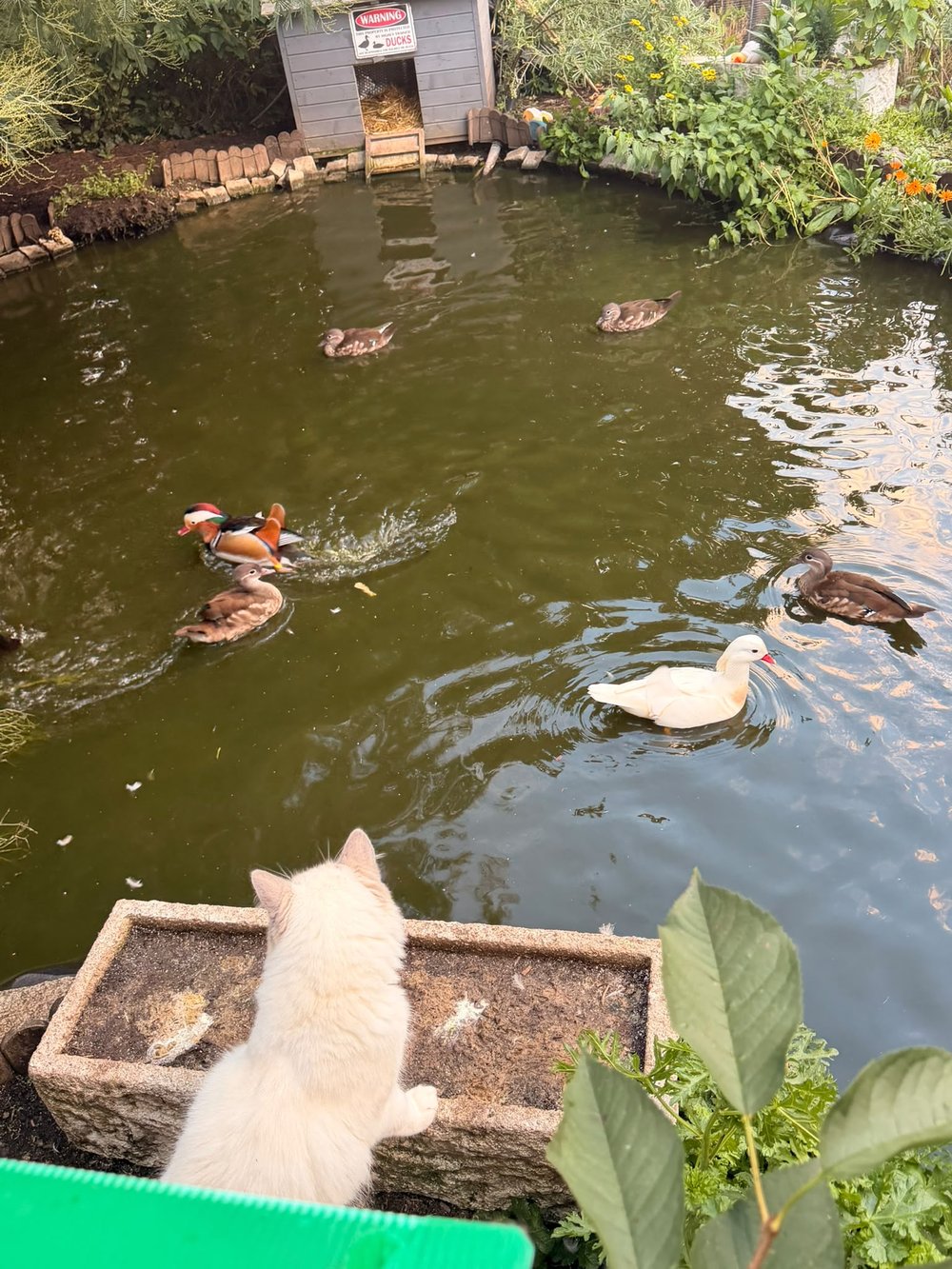
Every cat in the colony has a favourite pond seat. The ducks are watched with total concentration and never touched: the birds have their own pond and duck house, the cats have the catio and the planters, and the two sides reached an understanding years ago.
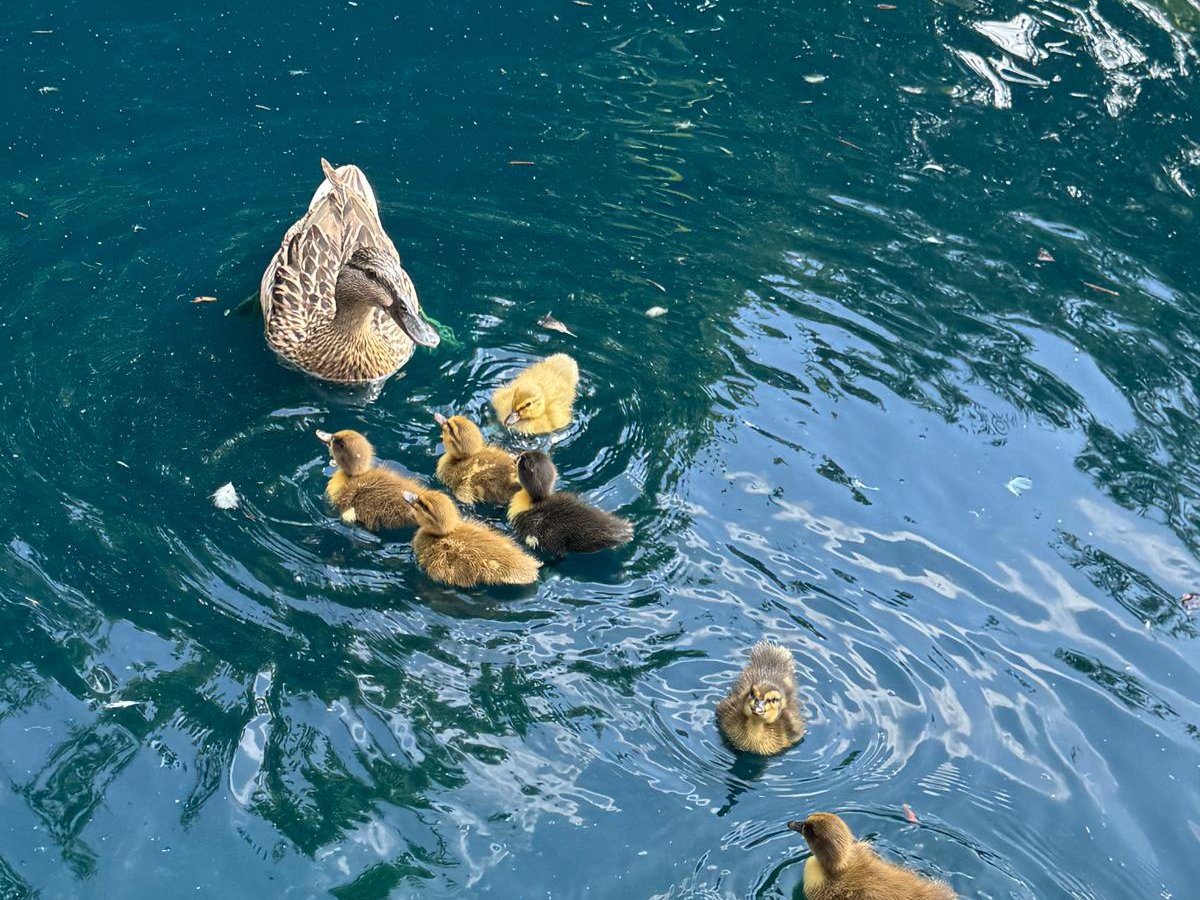
Spring brings ducklings, which the cats find even more absorbing than the adults, and the Mandarin drakes spend the whole season in full colour. It is better than anything on the telly, and the colony knows it.
Seven queens and two studs, all living in the house as family pets. Every one is DNA tested for HCM and PKD, tested for FeLV and FIV, blood typed and screened for over 50 inherited conditions, with the certificates shown at your visit. Our girls come from five generations of Ragdoll bred to Ragdoll, recorded by us at every step. Colours are given where we have stated them; ask about any cat’s lineage and we will walk you through it.
Queen · Lilac bicolour · Health tested: HCM and PKD clear, FeLV and FIV negative, DNA panel clear
Queen of the colony. Top of the hierarchy, and everyone knows it.
Queen · Seal point · Health tested: HCM and PKD clear, FeLV and FIV negative, DNA panel clear
Runs the nursery like a head teacher. Answers to Snowflake, like everyone else.
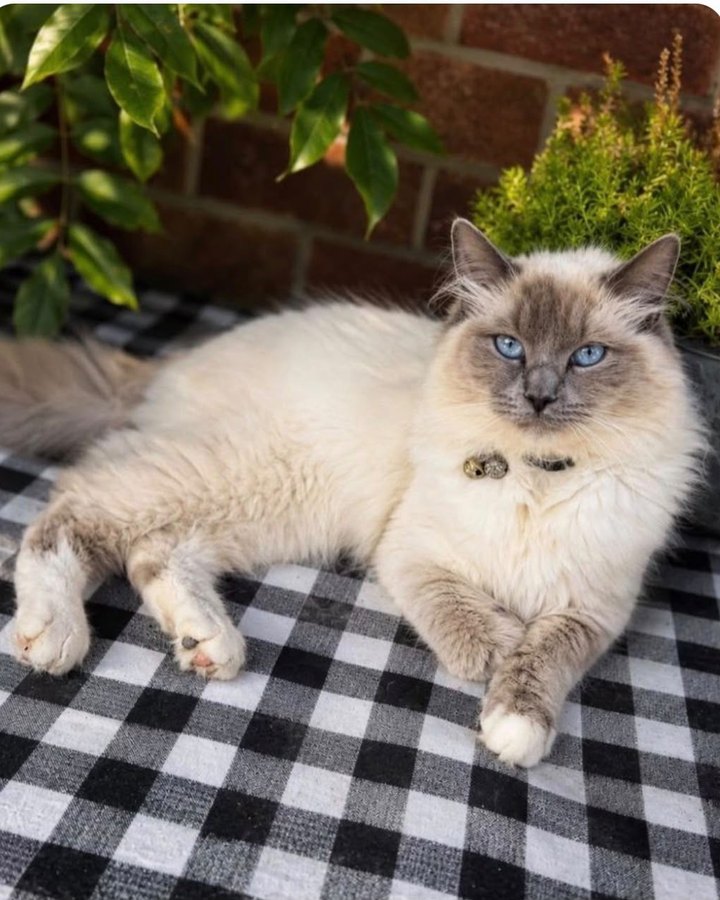
Queen · Blue mitted · Health tested: HCM and PKD clear, FeLV and FIV negative, DNA panel clear
Currently raising the Fairytale Litter and supervising everyone else's parenting.
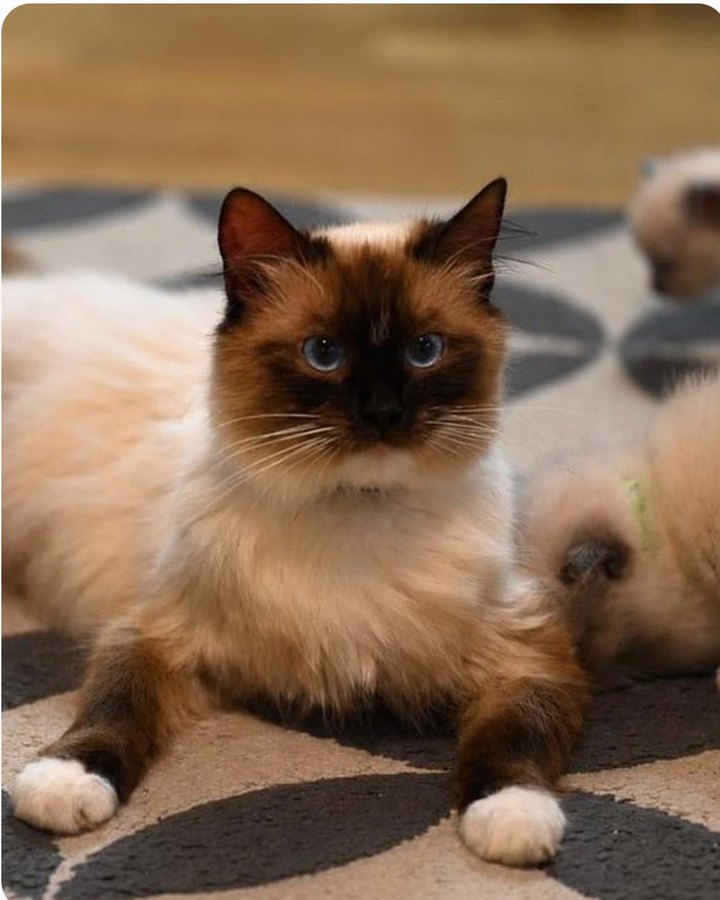
Queen · Seal mitted · Health tested: HCM and PKD clear, FeLV and FIV negative, DNA panel clear
Expecting, due 21 September, and nesting. Has rejected three nesting boxes and chosen the wardrobe.
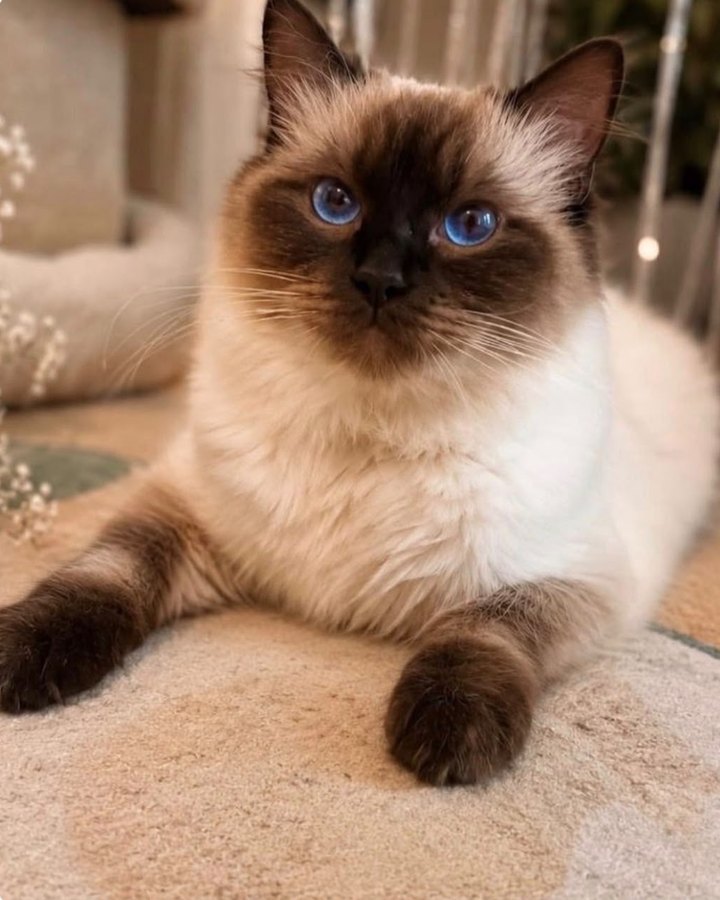
Queen · Seal point · Health tested: HCM and PKD clear, FeLV and FIV negative, DNA panel clear
Keeps her own counsel and the best radiator.
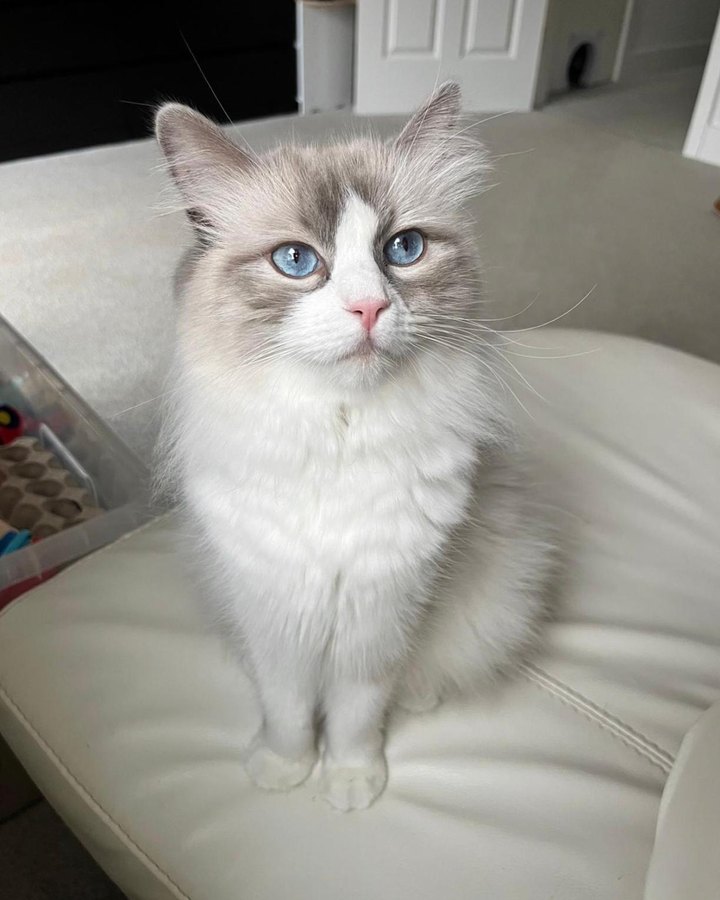
Queen · Blue bicolour · Health tested: HCM and PKD clear, FeLV and FIV negative, DNA panel clear
The newest queen. Very cute, very cuddly, already sure the house is hers.
Queen · Blue mitted · Joined the breeding programme September 2026
Front row for every drama, involved in none of it.
Stud · Blue bicolour · Health tested: HCM and PKD clear, FeLV and FIV negative, DNA panel clear
The collector. Socks, hair ties, anything unattended. Returns nothing.
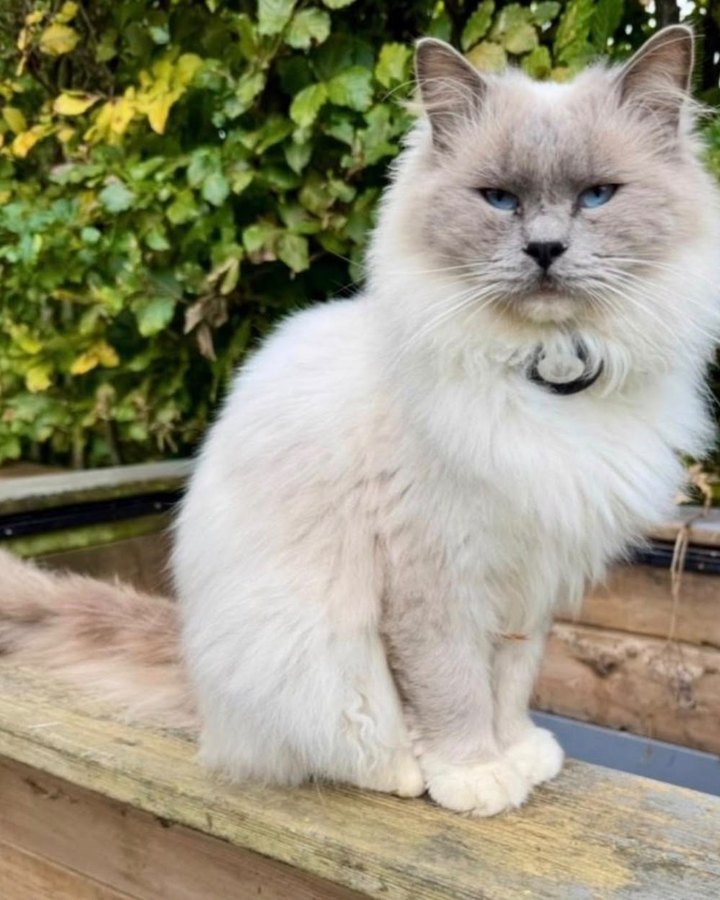
Stud · Blue point · Health tested: HCM and PKD clear, FeLV and FIV negative, DNA panel clear
Declines to comment. On everything. Including this.
This is the part visitors never think to ask about and the part we are quietly proudest of. We hold more than thirty days of cat food in reserve at all times, so no supply problem, ferry disruption or empty island shelf ever reaches a bowl. A backup generator stands ready for power cuts, with emergency heating equipment for the coldest scenario, and a stocked emergency store lives in its own place, checked on rotation. Every cat has a carrier, the evacuation plan is written rather than imagined, and the route to emergency veterinary care is planned in advance, day or night. None of it has the glamour of a kitten photo, and all of it is what caring for fifteen lives actually means.
The whole setup is watched over by full CCTV across the house and every cat area, giving us live coverage throughout the day, and each cat wears a tracker collar besides, so nobody is ever unaccounted for.
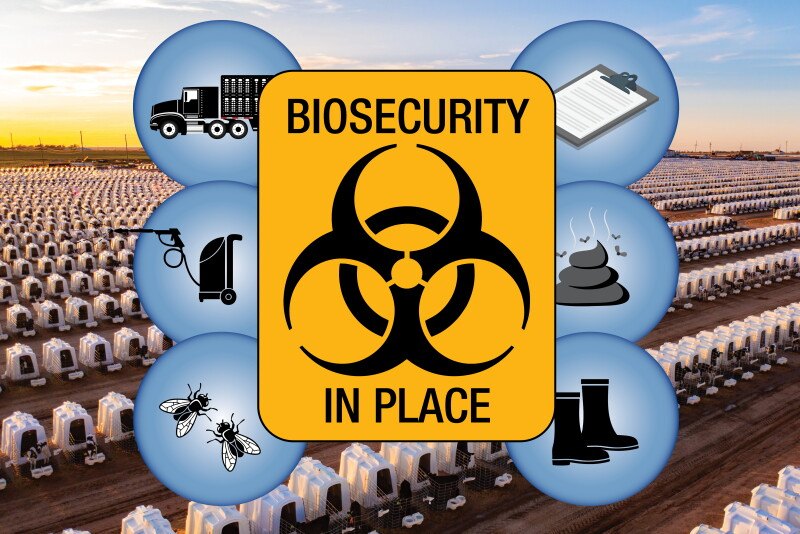
An open colony still needs closed doors in the right places. Any cat who is unwell, or simply needs peace, moves to quiet quarters with their own equipment until they are ready to rejoin the family, and clean areas and recovery areas never share tools, hands or laundry in between. Pregnant and nursing queens get private space with the colony just beyond the door, close enough for comfort, far enough for calm, and newborn kittens are handled on freshly washed hands and nobody else’s schedule. Visits are warmly welcomed and always by appointment, because controlled access is not unfriendliness, it is how the whole family stays healthy enough to meet you.
Planning to meet the kittens? We will walk you through our simple hygiene steps when you book, and our choosing a breeder guide shows what a good visit should look like anywhere.
Almost never, and the reasons are structural: they are family, they have grown up together, and nothing here is scarce enough to fight over. What friction exists looks like a stare and a swapped windowsill, resolved by the abundance the whole house is built on.
More, not less. Kitten socialisation is a daily job on the rota, not a hope, and because the colony handles the cat side of a kitten’s education, our human hours go entirely on handling, play and the gentle introduction of household life.
Only an unmanaged one. Managed properly, with daily cleaning, health checks that catch things on day one, a quiet wing for anyone unwell and real biosecurity between areas, a colony is as healthy as any single cat home and far better supervised.
Names, records and rhythm. Every cat is checked twice daily by hand, every kitten is weighed daily, everything is written down, and the headcount reaches fifteen every night before the lights go out. With a routine like that, nothing gets to hide for long.
Technology does the counting with us: full CCTV covers the house and every cat area with live coverage through the day, the feeding stations use facial recognition so we know exactly who has eaten, and each cat wears a tracker collar. Fifteen cats, zero mysteries.
A colony cannot really be described, only witnessed, which is why visiting families tend to spend their first ten minutes just counting. If you would like to meet the fifteen and see exactly how your kitten’s first weeks will be spent, we would love to show you around.