
Our Story
Founded from a lifelong love of animals and a genuine passion for the beautiful Ragdoll breed.
From our family home
Pretty Ragdolls was founded from a lifelong love of animals and a genuine passion for the beautiful Ragdoll breed. Our cats are not simply breeding animals; they are beloved members of our household.
They enjoy spacious, enriching environments and daily handling from birth, growing up right in the middle of family life, which is exactly why our kittens leave us so confident, affectionate and well adjusted.
Our commitment does not end when a kitten leaves for its new home. We are here for our families for life.
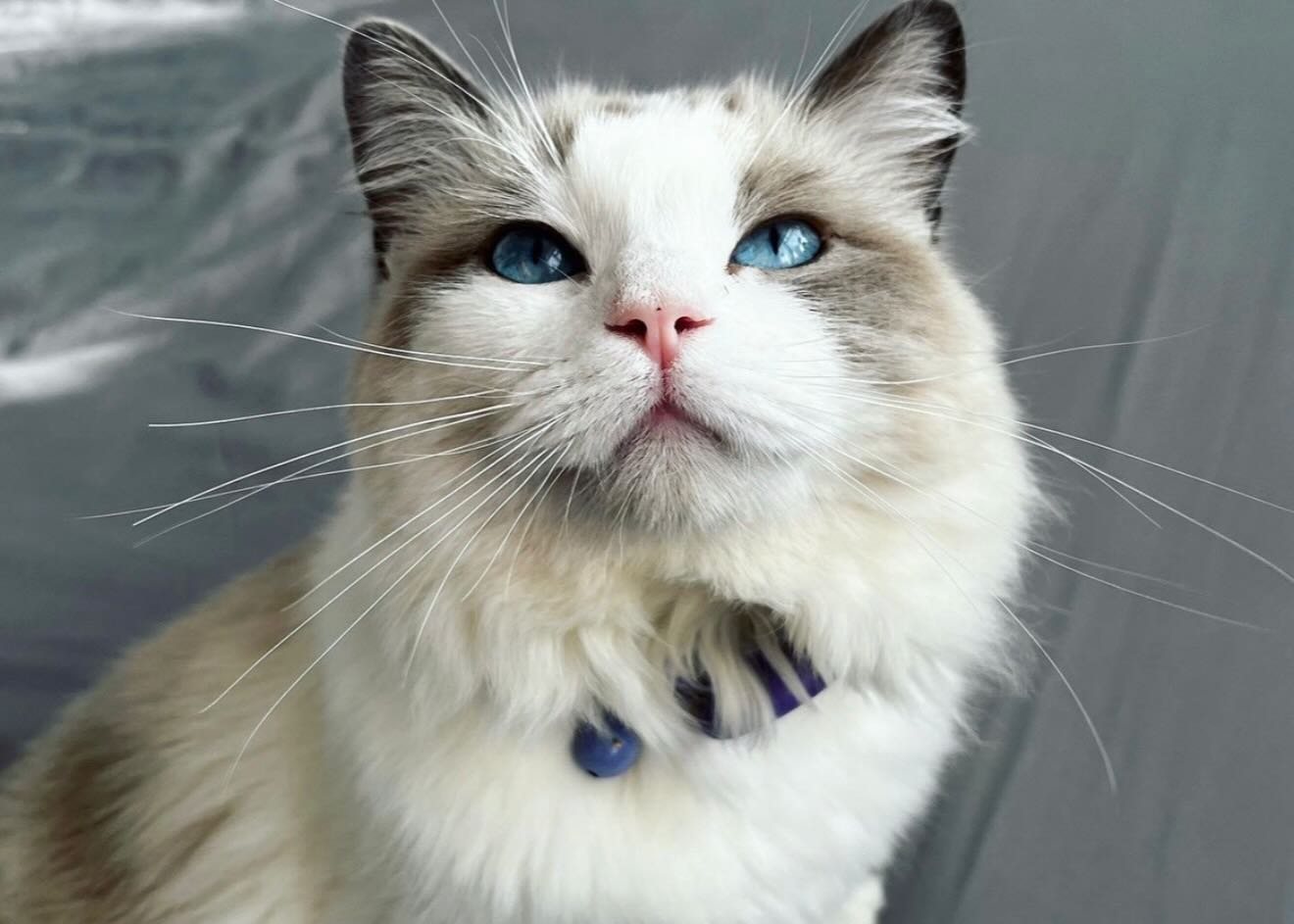
Raised in a domesticated cat colony
Our cats live together as one settled family group, a domesticated cat colony, roaming freely through the house, a garden that is fully enclosed, and a pair of purpose built cat houses of their own. The whole subject now has its own page: the science, the sixteen themselves, the daily routine and the contingency planning behind it all.
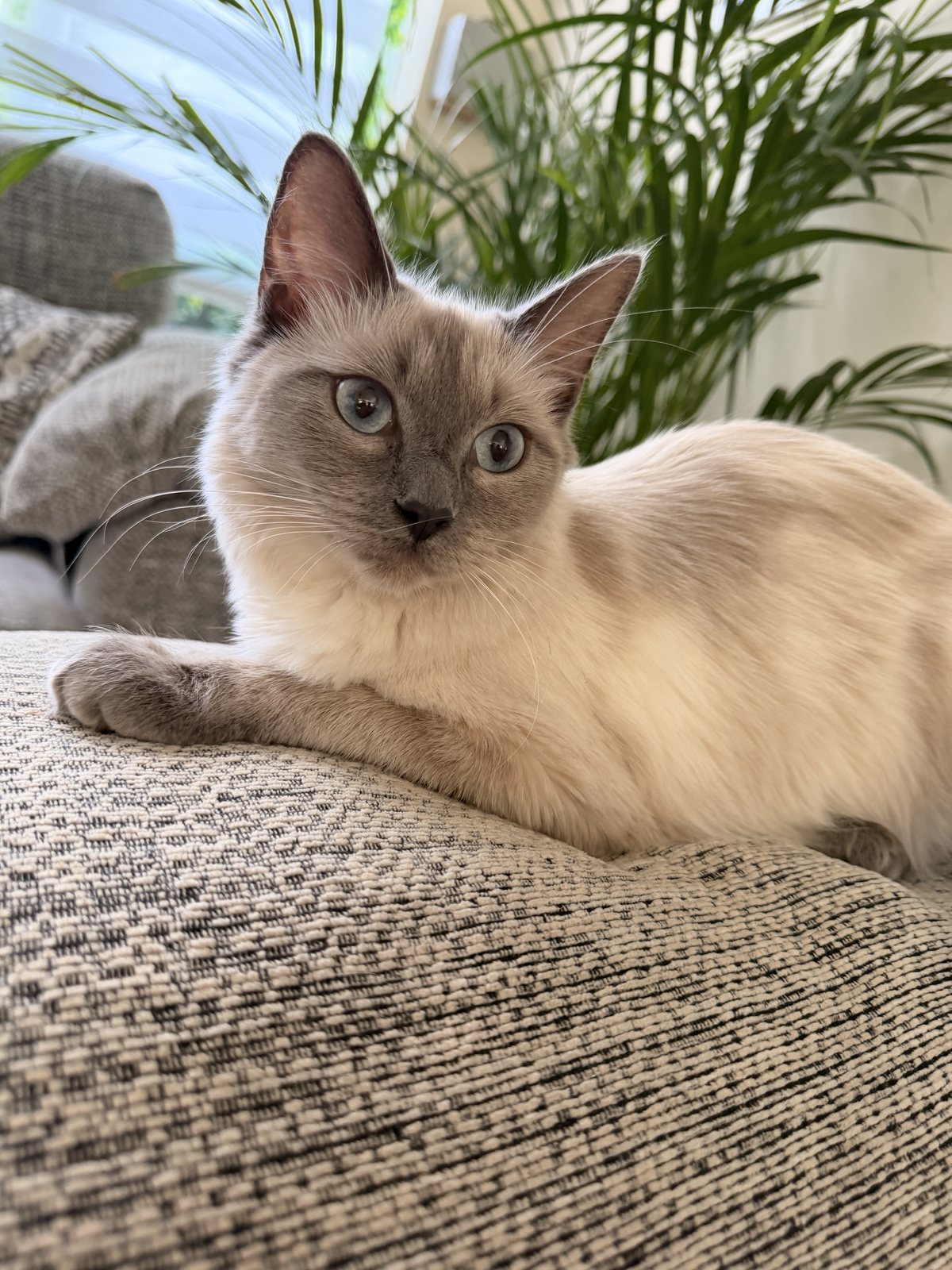
Meet the family
Sixteen Ragdolls share our home: eight queens, two gentle studs who live as family pets, and six rising girls, with every colour and marking among them, each one named, known and adored. Meet them all, role by role, on our colony page.
Papers, registries, leaving age
Two things people ask us often. We’d rather answer them openly here than leave you wondering.
Why we don’t register our kittens with the GCCF or TICA
The short answer: we sell family pets. Registration papers exist mainly to enable breeding.
A registration certificate is what allows a cat to be bred from, its kittens registered in turn. Hand one over with a pet kitten and onward breeding quietly becomes the easy option. That is exactly what we don’t want. Every kitten leaves here on a written agreement to be neutered by six months, never bred from. We’d rather our paperwork matched our promises than contradicted them.
So let us be precise about what that does and does not mean. It is the paperwork we withhold, not the record keeping. Our girls come from five generations of Ragdoll bred to Ragdoll, with the lineage recorded by us at every step, and that is why a family tree and birth certificate come home in the kitten pack. Every litter is Ragdoll from those lines, and we always advertise every litter as exactly what it is, so you know precisely what you are bringing home. What we don’t issue is a GCCF or TICA certificate, because that certificate exists to enable breeding. If you want papers, a show career, a breeding programme, we are simply not the right breeder for you, and a registered breeder will serve you far better. What we offer is a beautifully raised Ragdoll to share your home with. We price accordingly.
Would you like to see the lineage before you commit? Just ask. We’ll walk you through our records, and while you are here you can meet mum and the rest of the colony for yourself.
What you do get
A birth certificate. A family tree. Full health and treatment records, microchip registration in your name, our written Conditions of Sale, a detailed care guide, the kitten pack.
The standards we hold ourselves to
Full health screening on our Ragdoll queens and studs before any mating. Outside studs, to keep our bloodlines unrelated. Girls retired early, then kept for life. Never more litters than we can raise properly.
Our lifetime promise
If you ever cannot keep your cat, for any reason, at any age, they come back to us first. No judgement. No questions. That promise does more for welfare than a certificate ever could.
When our kittens leave: nine to ten weeks
Eight weeks is the legal minimum age at which a kitten may be sold in England, and it is a line we will never go under. Ours go home at nine to ten weeks. We want to be clear about where that sits against best practice, because you deserve the full picture rather than a sales answer.
Best practice guidance in the UK, from the GCCF and the Cat Group Code of Practice, puts homing at around thirteen weeks rather than eight. There is good research behind it. A study of nearly 6,000 cats found that kittens separated from mum very early showed more aggression, more stereotypic behaviour in later life. Those kept until fourteen weeks fared best of all. We won’t pretend otherwise. We don’t think a good breeder should.
So here is how we actually work. Our kittens leave at nine to ten weeks, and within that window we run to the kitten, not to a fixed release date: fully weaned, eating well alone, reliably litter trained, confident with handling, playing and settling normally within the group, cleared at their health check. A kitten who isn’t ready simply stays. However keen the family. However long it takes.
Colony life gives them a real head start: constant company, adult cats to learn from, daily handling from birth. By nine to ten weeks they are socially further along than a kitten raised alone with a single mum in a spare room.
Why we do not simply keep them to thirteen weeks. The guidance above is written for a conventional set up: one queen and her litter, kept apart from other cats, where the only bond a kitten has to leave is with its mother and siblings. Ours is a domesticated colony, and that changes the picture. From around eleven to twelve weeks our kittens stop being a litter and start being members of the group: they take their place in the sleeping heaps, follow the adults, pick their favourite laps. A kitten that leaves after that bond has set in is leaving a whole family, not a nest, and the move to a new home as an only cat is harder for it. The queens and the rest of the colony feel it too; a group that has absorbed a kitten as a member is unsettled when that member disappears. So for our kittens the smoother transition is the earlier one, once they are fully ready, before the colony bond forms.
We are candid that there is very little research on colony raised kittens, and that most online advice points the other way, because almost all of it describes a standard breeder. What we have is sixteen cats, many litters and the families who tell us how their kittens settled. Within our window we still run to the kitten, not the calendar, and the right day is always a conversation with you rather than a default.
If you need a little longer before collection, talk to us and we will plan it kitten by kitten, without a charge for the extra days. We will never push you to collect before you are ready. What a kitten is learning in each of those weeks is in our kitten development guide.
Four principles behind every litter
Health
Comprehensive veterinary care and health monitoring for every cat and kitten in our home.
Temperament
Breeding for affectionate, confident, gentle personalities, true Ragdoll natures.
Welfare
High standards of housing, nutrition and enrichment, every single day.
Responsible breeding
Selective, quality first breeding, never quantity.