
How Long Do Ragdolls Live? Ragdoll Lifespan Explained
Typical life expectancy, the things that cut it short and the habits that add years to it.
Last reviewed
Most sources put the typical Ragdoll lifespan at 12 to 17 years, and a well cared for indoor Ragdoll regularly reaches the upper teens, with some going beyond. That is a little better than cats in general: a large UK study of veterinary records put the average for all cats at roughly 12 years, with crossbreeds living slightly longer than pedigree cats. So how long do Ragdoll cats live in practice? It depends less on the pedigree than on a handful of choices you make: health tested parents, a lean body, an indoor life with a safe outdoor space, regular vet checks and insurance so treatment is never delayed.
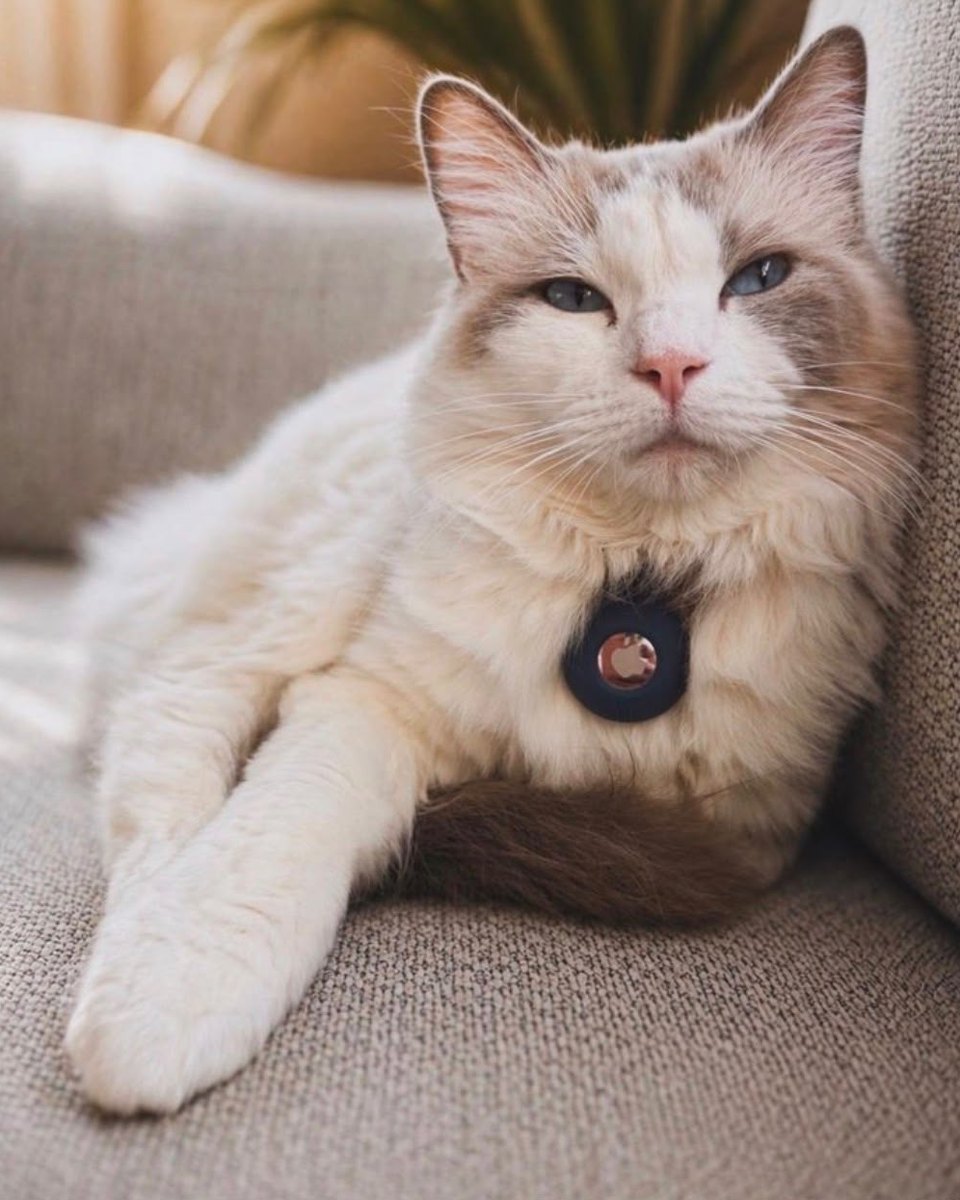
Snowflake, blue bicolour queen of the colony. A lean, indoor, health tested Ragdoll has every chance of a long life.
How long do Ragdolls live?
Most sources put the typical Ragdoll lifespan at 12 to 17 years. Well cared for indoor Ragdolls regularly reach the upper teens and some pass twenty, while a few are lost young to inherited heart disease or to the road. Sources disagree at the edges, as they do for every breed, but the middle of that range is where most Ragdolls land.
How does that compare with cats in general? A large UK study of veterinary records found an average life expectancy of roughly 12 years across all cats, with crossbreeds living a little longer than pedigree cats. Ragdolls hold up well against many pedigree breeds in that comparison, partly because the breed's main inherited risk, HCM, can now be screened for in the parents before a kitten is ever born.
The useful point is that the range is wide, and most of what decides where your cat lands within it is in your hands. The rest of this guide is about those decisions.
What shortens a Ragdoll's life
- HCM. Hypertrophic cardiomyopathy is the breed's main inherited risk and one of the commonest reasons a Ragdoll is lost young. There is a DNA test for the Ragdoll mutation, which is why parents tested clear matter so much. See Ragdoll health and health testing.
- Obesity. A big, calm, indoor breed gets fat easily, and fat cats get diabetes, arthritis and urinary trouble. See weight and body condition.
- Dental disease. Untreated gum disease is painful, puts cats off their food and is linked to problems elsewhere in the body. See dental care.
- Kidney disease. The common condition of old cats. Caught early it can often be managed for years. See kidney disease.
- Roads and infection. Traffic, fights and infectious disease take a great many roaming cats, especially young ones, which is the strongest argument there is for an indoor life with a catio.
None of these is unique to Ragdolls. What is particular to the breed is how quietly a Ragdoll suffers, so recognising pain is worth a read too.
How to help your Ragdoll live longer
The list is dull, which is the good news: nothing on it is hard.
- Neuter. Neutered cats live longer on average: no roaming, no fighting, no womb infections, fewer tumours. See neutering and spaying.
- Keep them lean. Lean cats live longer and move better in old age. Feel the ribs monthly and feed to condition.
- Vet checks. Once a year through adult life, rising to twice yearly from about age ten, when blood and urine tests start catching kidney and thyroid trouble before you would notice anything.
- Teeth. Brush if your cat will allow it, and act on a vet's advice about a dental rather than putting it off.
- Vaccinate and treat for parasites. Indoor cats still need both. See vaccinations explained and worming.
- Insure. So that the decision when something goes wrong is a medical one, not a financial one. See cat insurance.
Add a home that keeps a Ragdoll interested and unstressed, because a bored, anxious cat eats badly, over grooms and picks up urinary problems. Play and enrichment covers that side.
How long do Ragdolls live indoors?
Longer, as a rule. The gap between indoor and roaming cats is the biggest single lifespan difference in the data, and most of it is the road. A Ragdoll is a poor candidate for free roaming anyway: trusting, slow to run, valuable enough to be stolen, and wearing a coat that collects every burr and tick in the hedge.
Indoor does not have to mean four walls. Our sixteen live in the house with an enclosed garden and a catio, and they get sun, grass, birds to watch and ducks to supervise without ever meeting a car. It is the arrangement we would recommend to anyone, and the two guides to read are indoor cats and catios.
The trade off is that an indoor cat's risks move indoors with it: boredom, weight and the slow conditions of old age. Those are the ones you can see coming, which is rather the point.
Ragdoll life stages, and what changes
- Kitten, birth to 1 year. Vaccinations, neutering, the growth diet and learning the house. See kitten development and the first year at the vet.
- Young adult, 1 to 6. Still growing until three or four, then the peak years. The job is weight control and keeping up the annual check.
- Mature, 7 to 10. Activity drops, weight creeps up, teeth need attention. A baseline blood test now makes later changes easier to spot.
- Senior, 11 plus. Twice yearly checks, softer landings around the house, warmth, and a close eye on drinking, eating and the litter tray. See senior cats.
Ragdolls age gracefully and often look younger than they are, which is charming right up until it stops you noticing that your fourteen year old has lost half a kilo. Weigh the old ones. And when the time does come, saying goodbye is there for the hardest part.
Quick questions, answered
How long do Ragdoll cats live on average?
Most sources give 12 to 17 years, with well cared for indoor Ragdolls often reaching the upper teens. A large UK study found an average of roughly 12 years for all pet cats, so Ragdolls compare well. Where your cat lands depends mostly on health tested parents, body condition, an indoor life and regular vet care.
Do Ragdolls live longer indoors?
Yes, as a rule. Roads, fights and infectious disease take a great many roaming cats, and a trusting, slow moving, valuable Ragdoll is poorly suited to the outside world anyway. An indoor home with an enclosed garden or catio gives the fresh air and interest without the traffic, which is how our own colony lives.
What health problems shorten a Ragdoll's life?
HCM, an inherited heart condition, is the breed's main risk, which is why both parents should be DNA tested clear. After that the usual suspects are obesity, untreated dental disease and kidney disease in later life. None of them is unique to Ragdolls, and all of them are easier to manage when they are caught early at a routine check.
When does a Ragdoll become a senior?
Vets generally class cats as mature from about seven and senior from about eleven. Ragdolls often look younger than they are, so go by the calendar rather than the coat. From around ten, move to twice yearly checks with blood and urine tests, weigh your cat regularly and watch for changes in drinking, appetite and the litter tray.
Sources and further reading
- International Cat Care: Feline life stage definitions and advice on care at each age.
- PDSA: UK charity advice on neutering, weight, dental care and routine vet checks.
Thinking about a Ragdoll kitten?
Our Ragdoll and Ragcoon kittens grow up in our home in Ryde, Isle of Wight, with health tested parents and our support for life. See who is available now, or join the waiting list for the next litter.