
From our colony to your sofa
Kidney Disease, Explained
The senior cat’s defining illness, and the long good years within it.
Last reviewed
The senior cat’s defining illness, and the long good years within it.
Last reviewed
Chronic kidney disease, CKD, is the defining illness of feline old age: kidneys wear out gradually, filtration falters, and the signs creep in so slowly that families miss years of them. The modern story is genuinely hopeful: caught early and managed well, cats live good years, often many, with failing kidneys. This page is the map.
Kidneys filter waste from blood into urine, balance water and minerals, help govern blood pressure and stimulate red cell production: small organs with a giant portfolio. CKD is that portfolio shrinking as filtering units die off, gradually and irreversibly, over months to years.
The design detail that shapes everything: kidneys carry huge spare capacity, so signs only show once most function is gone. That silence is why screening matters and why diagnosis is never the beginning of the disease, only the beginning of managing it.
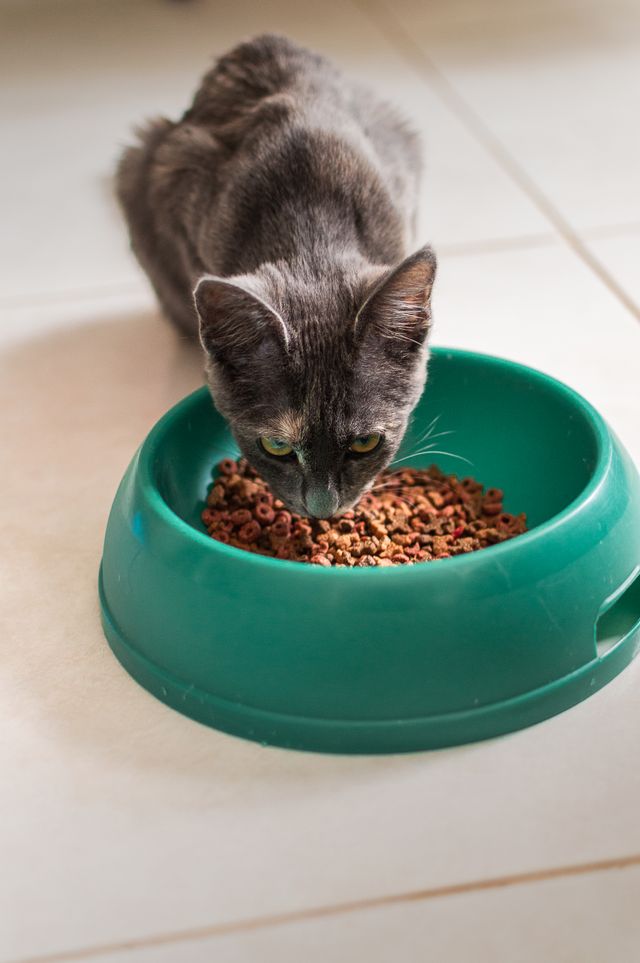
The classic early pair is drinking more and urinating more: bigger clumps in the tray, more bowl visits, sometimes drinking from taps and puddles a cat previously ignored. Failing kidneys cannot concentrate urine, so water runs through, and the cat drinks to keep up.
The supporting cast is vaguer: weight drifting down, appetite softening, coat dulling, occasional vomiting, breath developing an ammonia edge in later stages. Every one of them is easy to file under just ageing, which is precisely how CKD hides in plain sight.
Diagnosis is straightforward: blood tests measuring waste products and modern early markers, urine tests reading concentration and protein, blood pressure checked alongside. Together they confirm CKD and stage it on the international scale vets use, from early to advanced.
Staging is the roadmap, not a sentence: early stages often need only diet and monitoring, later stages add treatments stepwise. Ask your vet what stage, what the plan for that stage is, and what would trigger the next step: three questions that turn fear into management.
Prescription kidney diets are the best evidenced treatment in CKD: restricted phosphorus above all, moderated high quality protein, and added support, slowing progression and measurably extending good life. No home recipe or ordinary senior food replicates the phosphorus control that does the heavy lifting.
Transition matters: switch gradually, warm the food, try the range’s flavours and textures, and never let a kidney cat hunger strike, since eating something beats eating nothing perfectly. Wet versions carry water, a free bonus. Persistence in week one buys years; most cats accept with patience.
Hydration is kidney medicine: these cats live better wet, so the full engineering applies, wet food as the base, bowls multiplied and wide, fountains for the running water fans, water stirred into meals where accepted. Every extra millilitre spares the kidneys work.
In later stages many owners learn a genuine clinical skill: subcutaneous fluids at home, taught by the practice, a few minutes every day or two that keeps advanced cats comfortable and hydrated. It sounds daunting and becomes routine; thousands of households do it nightly.
Beyond diet, treatment is stepwise and specific: blood pressure medication where hypertension joins, common and damaging in CKD; phosphate binders when diet alone cannot hold levels; anti nausea and appetite support, transformative for the quietly queasy; potassium where it runs low; and anaemia treatment in advanced disease.
None of it is exotic: each addition follows the monitoring bloods, each targets a specific mechanism, and each earns its place by how the cat feels. A well managed CKD cat is on a personalised stack, reviewed at every recheck, and living like a cat rather than a patient.
CKD management runs on rhythm: rechecks typically every few months, sooner after changes, bloods and blood pressure tracked, weight charted, urine sampled periodically. The trend lines steer everything, and stable trends are the quiet victory the whole plan aims for.
Your home monitoring completes it: the monthly weigh, the water bowl awareness, appetite truthfully logged, and the good days diary that this library recommends for every chronic condition. You will know before the bloods do when something shifts; the combination is unbeatable.
The honest answer to how long is that CKD varies enormously: early stage cats commonly live years, many dying eventually of something else entirely, while advanced diagnoses write shorter chapters. What moves the needle is exactly what this page describes: diet, water, blood pressure, monitoring, appetite.
The disease is progressive; the good life inside it is real and defensible. The goal was never immortal kidneys, it is comfortable years, and modern management delivers them routinely. When the balance eventually tips, the saying goodbye guide holds that chapter; until then, there is a great deal of living to do.
Cornell’s Feline Health Center made this owner’s guide to kidney disease: what the condition is, how it is managed and what to expect as it progresses, explained for people rather than clinicians. The right companion to the screening and hydration advice in this guide.
Watch on YouTube Cornell Feline Health Center video series
CKD is the slow wearing out of feline kidneys, hiding behind spare capacity until thirst, bigger clumps and drifting weight give it away. Bloods, urine and blood pressure stage it; prescription renal diet is the biggest lever, hydration engineering the second, with blood pressure treatment, phosphate binders, appetite support and home fluids added stepwise. Rechecks steer by trend, home weighing completes the picture, and well managed cats routinely live good years. Screening from senior age catches it early, which is where all the best stories start.
Many practices fold kidney bloods into senior checks from around seven to ten years, yearly after. Early markers now catch disease long before symptoms, which is the entire point of screening.
CKD itself is more draining than painful, nausea, thirst and fatigue, all treatable symptoms. Comfort is the management target, and modern support genuinely achieves it.
Try every brand, flavour and texture in the category, warmed and hand offered, transitioned slowly: acceptance usually comes. Where it truly does not, your vet layers phosphate binders onto ordinary food; eating always wins.
Chronic disease cannot be reversed; progression can be genuinely slowed and symptoms well controlled. Acute kidney injury, from toxins like lilies or antifreeze, is a different, sometimes recoverable emergency.
Hypertension both drives and follows kidney disease, and it quietly damages eyes, brain and the kidneys further. It is common, silent and very treatable, the classic checked because it matters.
For cats who drink more from moving water, absolutely: every millilitre is treatment. Judge by your cat’s response; the wet food base matters even more.
Weight and appetite falling despite the plan, vomiting returning, weakness, mouth ulcers or a strong ammonia breath: each earns a prompt recheck rather than a wait. Trends, not single bad days, tell the story.
Young CKD exists, from congenital causes like the PKD our breeding cats are tested against, infections and toxins. It is exactly why health testing and lily bans belong in kitten homes too.
Specific ones, phosphate binders, potassium, some renal support products, help when prescribed for measured reasons. Shelf supplements without bloodwork are guesses; the diet remains the evidence heavyweight.
With fluids, tailored drugs and monitoring, CKD cats undergo necessary procedures routinely: the disease changes the protocol, not the possibility. Dental work in particular often improves kidney cats’ appetite and life.
Thirst and tray changes overlap with urinary problems and diabetes, hydration technique lives in wet versus dry, and the senior rhythm in the senior guide.
For deeper reading, International Cat Care covers CKD comprehensively, and the IRIS kidney group publishes the staging system vets use worldwide.