
From our colony to your sofa
Vaccinations, Explained
What each jab does, when it happens, and why it matters.
Last reviewed
What each jab does, when it happens, and why it matters.
Last reviewed
Vaccination is the quiet reason several diseases in this library read as history lessons rather than daily fears. This page explains the UK picture plainly: what the core jabs cover, how the kitten course and boosters run, where the flexible extras fit, and how the indoor cat question actually resolves. No mythology, no pressure, just the map.
The UK core vaccination protects against cat flu’s two authors, feline herpesvirus and calicivirus, and against feline panleukopenia, the devastating enteritis our infectious shelf describes. These three are the diseases every cat is considered at risk from, whatever the lifestyle.
Honest expectation setting matters: the panleukopenia protection is excellent, while the flu components reduce severity and shedding rather than promising immunity, because those viruses are slippery by design. Vaccinated cats can still catch mild flu; they very rarely catch the terrible version.
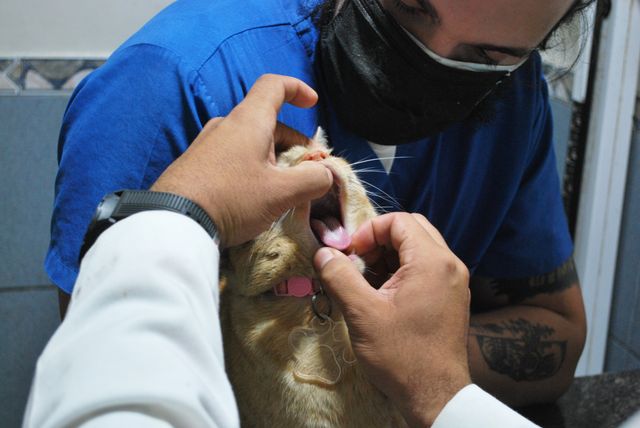
Feline leukaemia virus vaccination sits just outside the core in UK practice, recommended for cats with any outdoor access or contact with cats of unknown status, because FeLV spreads through friendly contact, shared bowls and grooming as much as fights.
Whether your Ragdoll needs it is a lifestyle conversation: catio cats with no feline visitors sit at minimal risk, cats who board, visit shows or share gardens sit higher. Your vet weighs the actual exposure; our FeLV guide explains the disease the jab exists to prevent.
Kittens are born protected by their mother’s antibodies, which fade unpredictably across the early weeks: the kitten course, typically two injections a few weeks apart starting around nine weeks, exists to build the kitten’s own protection as that inherited shield drops.
Timing matters more than owners realise: protection is not complete until after the final injection plus a short delay, which shapes when kittens can safely meet the wider world. Your vet sets the exact dates; the course completing on schedule is the whole point of the diary.
Boosters keep protection topped up, and modern practice tailors them: some components are boosted yearly, others every three years, following the datasheets and your cat’s risk rather than a one size ritual. The annual visit survives regardless, because the examination attached to it catches more disease than the needle prevents.
Lapsed boosters are common and fixable: depending on the gap, your vet either boosts or restarts the course. No lectures required, just a phone call, and boarding catteries and insurers will want the record current, which is its own practical reason to keep the rhythm.
Titre testing measures existing antibody levels, and some owners use it to inform booster decisions, particularly for the panleukopenia component where antibody levels correlate well with protection. It is a legitimate tool with limits: flu components correlate poorly, and FeLV protection is not usefully titre tested.
If the approach appeals, raise it with your vet as a conversation rather than a confrontation: many practices offer it, insurers and catteries vary in what they accept, and the sensible outcome is an evidence based schedule you both understand. The goal is protection, not paperwork for its own sake.
Most cats notice vaccination less than the car ride: the common aftermath is a sleepy day, a tender spot, occasionally a small temporary lump at the site, all settling within days. Our after vaccination guide covers that ordinary window and its care in full.
Serious reactions are genuinely rare, allergic responses within hours and the much discussed injection site sarcoma at very low rates, and practices mitigate deliberately with injection site choices and monitoring. The diseases on this shelf remain incomparably more dangerous than the protection against them.
Indoor cats meet fewer viruses, not none: panleukopenia survives on shoes and clothes for a year, flu arrives on hands from a stroked neighbour cat, escapes happen precisely during firework panics and door lapses, and any boarding, vet stay or new kitten introduces the wider world.
So the core course and sensible boosters remain standard advice for indoor cats, with the flexible extras genuinely flexible. The lifestyle changes the FeLV maths, not the core arithmetic, and your vet will happily walk your specific setup through it.
Every Pretty Ragdolls kitten leaves with its health history documented in the kitten pack, vaccination record included, so your vet can slot straight into the schedule without gaps or repeats: onward protection is planned with your own practice from day one.
Register with a vet before collection day, book the first visit for the first week, and hand over the pack’s paperwork: that one appointment ties our records to your practice’s plan, and your kitten’s protection simply continues on schedule.
The UK core jabs cover cat flu’s two viruses and panleukopenia, with FeLV added on lifestyle. Kittens build protection through a two visit course from around nine weeks; boosters then run yearly to three yearly by component, with titre testing a legitimate conversation for some of them. Side effects are usually a sleepy day; the diseases are far worse. Indoor cats keep the core, and our kitten pack carries the records that let your vet continue the plan seamlessly.
None are legally required for pet cats in the UK; rabies applies only to travel abroad under pet travel rules. The core course is standard veterinary advice rather than law, and catteries and insurers usually require it.
Typically around nine weeks for the first injection, with the second a few weeks later, adjusted by vaccine brand and your vet’s protocol. The course completes before typical homing ages align with full protection.
Yes, usually mildly: the flu components blunt severity and shedding rather than guaranteeing immunity, because herpesvirus and calicivirus mutate and hide. The jab’s promise is the mild version, and it keeps it.
Seniors often carry solid immunity from years of boosting, and schedules frequently stretch on veterinary advice, but the annual examination becomes more valuable with age, not less. Keep the visit; tailor the needle.
For a genuinely indoor cat with no feline contact, many vets consider it optional; any outdoor access, boarding or feline visitors changes the answer. It is the classic lifestyle conversation at the first visit.
An in date vaccination card covering the core diseases, usually with boosters within the last year. Lapses are the commonest boarding day surprise, so check the card when booking, not when packing.
Because the worst virus on the list travels on shoes and survives for months, and because doors, escapes and vet visits exist. Indoor status lowers exposure; it does not zero it.
Only with specific products and timing on veterinary direction: it is planned breeding practice, never casual. It is one reason kittens inherit useful first milk protection at all.
No: the antigens in a modern combined vaccine are a rounding error beside what a kitten’s immune system handles daily. The overload worry is borrowed folklore, not feline medicine.
Possibly: vaccines are given to healthy cats, so mention any symptoms when booking and the practice will examine first. A short delay beats vaccinating into an active infection.
The diseases behind the needle live on our infectious shelf: cat flu, panleukopenia and FeLV, and the day after the jab is covered in after vaccination.
For deeper reading, International Cat Care publishes UK vaccination guidance, and the WSAVA vaccination guidelines are the global reference vets work from.