
From our colony to your sofa
Medicating Your Cat, Without the War
Pills, drops and potions, delivered diplomatically.
Last reviewed
Pills, drops and potions, delivered diplomatically.
Last reviewed
Half the medicine in this library only works if it actually gets into the cat, and every owner eventually faces the assignment: tablets, liquids, ear and eye drops, spot ons. The good news is that medicating is a learnable craft with real techniques, and a cat medicated diplomatically stays medicable for life. Here is the whole toolkit.
The craft rests on a few universals: calm handling beats speed, preparation beats improvisation, everything ready before the cat is involved, sessions kept short, and every dose followed by payment, a lick treat, a game, whatever your cat banks. Cats keep ledgers; keep yours generous.
Two prohibitions anchor everything: never medicate from the human cabinet, paracetamol and ibuprofen are feline poisons, and never crush, split or open any medicine without checking, since coatings and formulations often exist for a reason. The label and the practice outrank every shortcut.
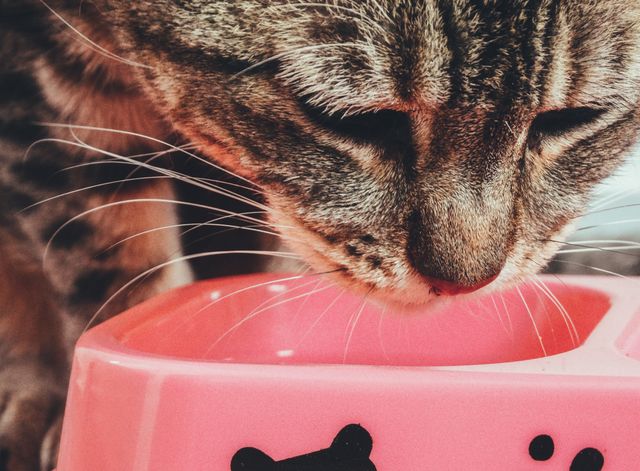
Most tablets travel best hidden: pill pockets and soft treats moulded around them, a smear of pate style wet food, a lick treat with the tablet buried mid stream. The professional trick is the decoy sequence, empty treat, loaded treat, empty treat, fast enough that inspection never starts.
Check two things first: that the medicine can be given with food, and that the tablet is not bitter enough to defeat disguise once bitten, your vet knows which ones betray you. Feed the loaded treat before dinner when hunger is on your side, and to one cat at a time in multi pet homes.
Some tablets and some cats need the direct method, and done properly it takes five seconds: cat on a non slip surface or wrapped gently in a towel, head tilted up from behind the skull, jaw dropped with a finger on the small front teeth, tablet placed at the back centre of the tongue, mouth closed, throat stroked until the swallow.
Follow every direct pill with a syringe of water or a lick treat, dry pilling can lodge tablets in the throat, and ask the practice to demonstrate once: it is their daily party trick and five minutes of coaching transforms the whole experience. Pill giver gadgets help hands stay clear of teeth.
Liquid medicines go in via syringe at the side of the mouth, into the cheek pouch behind the fangs, never straight back at the throat: small amounts, trickled slowly, letting the cat swallow between, with the head level rather than forced skyward, which risks liquid heading for the lungs.
Cold medicines from the fridge offend more than room temperature ones, and strongly flavoured liquids sometimes mix into food where the label allows. A cat foaming or drooling after a bitter liquid is usually taste outrage rather than harm, but mention it, since formulations can often be swapped.
Eye drops: approach from behind the head so the bottle never looms, steady the chin, part the lids gently and let the drop fall from a centimetre above, then release before the blink theatrics. Ointments lay a small ribbon along the lower lid the same way.
Ear drops follow the technique from our ear pages: bottle warmed in a pocket, drops at the canal opening, the base massaged until it squelches, release before the head shake. Both formats pay per dose like everything else, and both become ten second routines within a week.
Spot on treatments only work on skin, not fur: part the coat at the base of the skull where tongues cannot reach, touch the applicator tip to skin, and empty it in one or two spots per the packet. On a Ragdoll coat the parting matters double; product on fur is product wasted.
Afterwards, no stroking or grooming of the site until dry, housemates kept from licking each other for the evening, and no bathing around application per the label. And the eternal rule: only cat products on cats, since dog spot ons containing permethrin are lethal to felines.
Every practice knows the committed refuser, and the toolbox goes deeper than owners realise: many medicines exist in alternative formats, liquids for tablet haters, long acting injections replacing daily doses, flavoured compounded versions from specialist pharmacies, transdermal gels for a few drugs.
So a failing medication plan is a phone call, not a failure: tell the practice what happens at dose time and ask what else exists. Adherence is a design problem vets solve daily, and the redesigned plan usually costs less than the twice daily wrestling match.
The best medicating happens years before the prescription: kittens handled daily, mouths touched at grooming time, syringes of tuna water offered as games, treats after every fake dose. A cat for whom handling predicts payment accepts real medicine as more of the same.
It is precisely how our kittens are raised, ears, mouths and paws handled from the first weeks, and it is a habit worth continuing at home through the healthy years. The medicable cat is made in peacetime; wartime just collects the dividend.
PDSA’s vets demonstrate the gentle hold and quick, confident placement that make tablets a ten second job rather than a wrestling match. Watch it once before your first attempt and the whole business feels far less daunting.
Watch on YouTube PDSA
Medicating is craft: everything prepared first, calm short sessions, payment after every dose, and nothing ever from the human cabinet. Hide tablets in decoy treat sequences or use the five second direct method with water after; trickle liquids into the cheek pouch; drop into eyes from behind the head and massage ear drops home; part the coat to skin for spot ons and never use dog products. Refusers get redesigned plans, not wrestling matches, and kittens handled young stay medicable for life.
Usually placement, tablets landing mid tongue get tongued back out, or a bitter tablet defeating disguise. Ask for a demonstration and about alternative formats; both fix most spitters.
Only with the practice’s yes: some tablets lose effect or turn bitter when crushed, and coated ones exist for a reason. When crushing is approved, a strong flavoured small portion eaten completely is the rule.
Cats learn the pre dose rituals, so vary them: doses at different times, the bottle kept out of sight, handling that usually ends in play rather than medicine. Break the prediction and the hiding fades.
A gentle, snug burrito with the head free is a kindness for wrigglers, not a cruelty: it shortens the session and keeps everyone unscratched. Wrap calmly, dose, unwrap, pay.
Check the label or ring: usually the answer is give when remembered unless the next dose is close, and never double up. Note it, resume the schedule, and mention it at the recheck.
Separate rooms at dose time, labelled containers, and a simple chart ticked per cat per dose: multi cat medication errors are common and entirely preventable with paperwork.
Rest the dropping hand on the cat’s head so both move together, or recruit a second pair of hands, one steadying, one dropping. The practice can also demonstrate one handed techniques.
For most cats and most tablets, remarkably well, especially inside the decoy sequence. Keep a pack in the cupboard before you need it; emergencies are bad shopping days.
Ear technique in full lives in ear infections, eye care in conjunctivitis, and the handling foundations in settling in and our raising approach.
For deeper reading, International Cat Care publishes excellent giving medication videos, and the PDSA covers medicating techniques for owners.