
From our colony to your sofa
The Suddenly Quiet Cat
Lethargy, triaged: from long nap to phone call.
Last reviewed
Lethargy, triaged: from long nap to phone call.
Last reviewed
Lethargy is the most common and least specific sign in feline medicine: almost every illness in this library opens with a cat who is simply quieter than usual. The challenge is that cats also nap sixteen hours a day for a living. This page is the triage manual: separating the long nap from the warning, and the watch at home from the phone call.
A sleepy cat is resting by choice: curled comfortably, rousable, interested in food, play and events, moving normally between naps. A lethargic cat is flat: low energy through the awake hours, dull eyed, uninterested in the things that always interest it, moving less and lying oddly.
The tell is the response to temptation: rattle the treat pouch, open the food that always summons, start the game that never fails. A sleepy cat arrives; a lethargic cat lifts its head, or does not. That one test converts a vague worry into evidence.
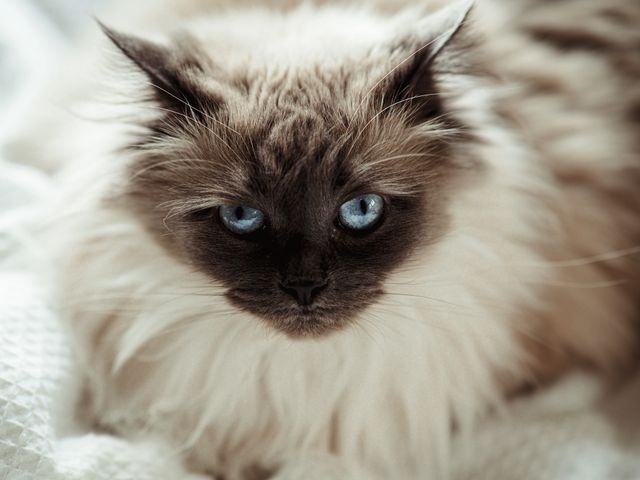
When quietness registers, run the survey: eating and drinking, yes or no; tray output, normal, absent or abnormal; breathing at rest, easy or working; gums, pink and moist or pale, white, blue tinged or brick red; temperature to the touch, ears and paws warm or cold; posture, curled normally or hunched and tucked.
Add the history: anything new eaten, any medication given, doors open, fights possible, other pets unwell. Ten minutes of this turns I think something is wrong into a description a vet can act on, and it decides which of the three roads below you are on.
A cat that is quieter but still eating something, drinking, using the tray normally, breathing easily with pink gums and no pain signs can reasonably be watched at home for a day: warmth, peace, food and water close, disturbance minimal, and the survey repeated every few hours.
The watch has hard edges: improvement should be visible within twenty four hours, and any new sign, vomiting, hiding, appetite closing, joins the picture immediately. A second flat day ends the watch and books the appointment; lethargy that persists always has an author.
Lethargy earns a same day veterinary conversation the moment it brings company: not eating for twenty four hours, or any refusal in a kitten; vomiting or diarrhoea alongside; hiding with flatness; hunched posture or flinching, the pain signs our pain guide reads; fever heat or coldness to the touch; or any straining at the tray.
Lethargy plus one sign is a pattern, and patterns are what practices triage by phone every day. Ring, describe the survey findings, and let them set the urgency: the call is free and the information is exactly what they need.
Emergency line now, whatever the hour: lethargy with open mouth breathing or heaving sides; gums pale, white or blue tinged; collapse or inability to stand; a male cat straining producing nothing, the blockage emergency; known or suspected poisoning; heat stroke conditions; or a kitten flat and refusing food.
These combinations are the ones where hours change outcomes, and every one of them has its own page on the emergencies shelf. Flat plus any of them is not a wait and see; it is a car journey with a phone call on the way.
Age sorts the suspects: kittens go flat with infections, parasites heavy enough to drain, hypoglycaemia and the fading picture, all fast movers. Young adults add the post fight abscess brewing under the skin, cystitis, and the swallowed object economy. Every age hides pain behind stillness.
Middle age and beyond bring the chronic engines: kidneys, thyroid, diabetes, anaemia, heart disease, dental pain, and the deep laziness of untreated illness generally. It is why senior lethargy earns bloods sooner, and why the trend, weeks of slowing down, matters as much as the day.
Some authors specialise in nothing but flatness: anaemia shows as pale gums and tiredness, our anaemia page’s whole subject; pain shows as stillness long before limping; depression and stress flatten cats after losses and upheavals; and warm season note, heat exhaustion opens as lethargy before it escalates.
The counter to pretenders is the survey’s objectivity: gums, breathing, appetite, tray. Cats cannot tell you what is wrong, but the checklist asks the body directly, and the body answers truthfully.
The lethargy workup is medicine’s classic: history and examination first, then bloods reading organs, sugar, thyroid and red cells, urine reading kidneys and infection, imaging where the exam points at chest or belly. Vague signs get systematic answers; that is what the machinery is for.
Bring the survey notes, food, water, tray, timeline, plus any suspects, plants, medicines, new foods. Most lethargy workups end with a treatable answer and a cat restored to its sixteen hour schedule; the unexamined version is the only one with poor statistics.
First separate sleepy from flat with the temptation test: treats, food, the unfailing game. Then run the survey, appetite, thirst, tray, breathing, gums, warmth, posture, and pick the road. Still eating, drinking and normal everywhere else: watch for twenty four hours. Lethargy plus any one sign: same day call. Flat plus open mouth breathing, pale gums, straining, collapse or a refusing kitten: emergency line now. Kittens and seniors get shorter ropes, purring proves nothing, and persistent lethargy always has an author bloods can usually name.
Run the survey immediately, watch a genuinely mild case for twenty four hours, and end the watch at the first added sign or the second flat day. Kittens and seniors get shorter ropes.
Yes: cats purr under stress and pain as self soothing, so purring never rules illness out. Judge by the survey, not the soundtrack.
Heat flattens cats genuinely, and heat exhaustion opens as lethargy: cool rooms, water everywhere and the summer protocol apply. A cat still flat in the cool, or panting, has left just the weather territory.
A sleepy day after vaccines is expected, and some medicines list drowsiness: check the after vaccination guide and the label. Deepening flatness or added signs still earn the call.
A recovery day after the stress of boarding is common: run the survey and expect normal service within a day. Persisting flatness afterwards is judged like any other.
Ain’t doing right, the profession’s honest shorthand for exactly this page: something is off without a headline sign. It is a legitimate presentation; workups exist for it.
Understimulated cats sleep more and dull down, and enrichment wakes them: the play guide is the test and the fix. True lethargy fails the temptation test; boredom passes it.
Ear and paw warmth plus behaviour is the practical home reading; rectal thermometry is better left to the practice unless taught. The survey works without a number.
Cats genuinely slow with short days and cold, sleeping longer near heat: seasonal idling with normal appetite is usually just feline sense. The senior version still earns a check, since arthritis loves winter too.
The related reads: recognising pain for the stillness that is not rest, anaemia for the pale flat cat, loss of appetite for the empty bowl, and the emergencies shelf for every red flag on this page.
For deeper reading, International Cat Care covers the sick cat’s subtle signs, and the PDSA publishes symptom checkers for owners.