
From our colony to your sofa
Health Basics Every Owner Should Know
The medicine cupboard rule, red flags, and numbers to save today.
Last reviewed
The medicine cupboard rule, red flags, and numbers to save today.
Last reviewed
Most cat health is wonderfully boring: good food, a warm home, and an owner who notices things early. This guide is the noticing part, plus the small set of rules and phone numbers that occasionally save a life.
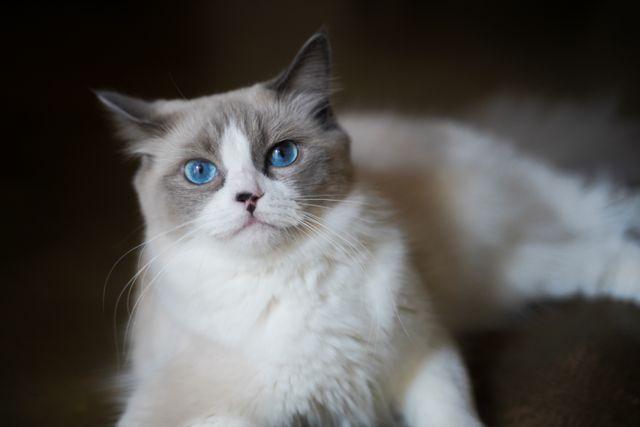
A healthy cat runs warmer than you: temperature between about thirty eight and thirty nine degrees, resting breathing comfortably under thirty a minute, and gums pink enough that a gentle press blanches white and repinks within a couple of seconds. Those three numbers, temperature, breathing, gum refill, are the owner’s dashboard.
Learn them on calm days so the readings mean something on worried ones: count the sleeping flank rise for thirty seconds and double it, lift the lip during a cuddle, and let the vet show you thermometer technique once. A phone note with your cat’s personal normals turns midnight worry into information.
The single most dangerous shelf in a cat’s house is the family medicine cabinet. Paracetamol is outright lethal to cats in tiny doses, ibuprofen and other human anti inflammatories cause kidney failure, and aspirin, sometimes used by vets in careful micro doses, is poisonous when guessed at. There is no safe human painkiller to give a cat at home, full stop.
The same audit covers the low suspects: some ear and skin preparations, nicotine products, and any dropped tablet of anything. The house rule writes itself: nothing passes a cat’s lips that a vet has not named for that cat, and dropped pills are found before the cat finds them.
Weight is the earliest honest signal in feline health, moving before appetite visibly changes and long before anything dramatic. A monthly weigh, bathroom scales holding you with and without cat, logged in the same phone note as the vitals, catches the slow slide that eyes adjust to and miss.
Add a quarterly photo from the same angle and the weekly all over fuss that doubles as a lump and bump survey, and you have built a surveillance system disguised as affection. Most serious feline disease announces itself first in grams and habits; the owners who log are the owners who catch it.
Gums are the health dashboard cats cannot hide: lift the lip and healthy tissue shows salmon pink and slick. Pale or white gums suggest anaemia or shock, blue tinged means oxygen trouble, yellow points at the liver, and cherry red or muddy tones carry their own warnings, every one of them a same day call.
Add the capillary refill trick: press a fingertip briefly on the gum, release, and count the blush back, normally under two seconds. It is the fastest circulation check in home medicine, and practising it on a healthy cat is what makes the abnormal version recognisable at speed.
Drinking is one of the most valuable numbers a household can track loosely: a cat whose water intake climbs noticeably, week on week, is making one of medicine’s classic early announcements, because increased thirst headlines kidney disease, diabetes and thyroid trouble, all far better met early.
You do not need measuring cylinders: same bowls, filled to the same line, glanced at daily, plus attention to new behaviours like haunting the tap or drinking from glasses. Downward shifts matter too, especially alongside lethargy. The bowl talks; the habit is listening.
Cats keep a third eyelid tucked in each inner eye corner, normally invisible, and its appearance, a white or pale membrane sliding partway across one or both eyes, is a genuinely useful sign that something is off: pain, nausea, dehydration, eye trouble or general illness can all raise it.
One eye’s membrane up suggests local trouble in that eye; both up suggests the whole cat is under the weather. Either way it earns a vet conversation, promptly if it persists beyond a day or arrives with other signs. Few flags this visible are this widely ignored.
A cat’s normal temperature runs warmer than ours, roughly thirty eight to thirty nine degrees, and while rectal thermometry is technically possible at home it is rarely wise with a struggling patient: the fight stresses the cat and the reading. Leave the thermometer to the clinic table.
The home substitutes are honest if imprecise: ears and paws icy or scorching against their usual, the heat seeking cat suddenly draped over radiators, shivering or panting. None replaces a reading; each justifies the call that gets one taken properly.
Cornell’s Feline Health Center shows the one home check that turns a vague feeling that the cat is off colour into a number a vet can act on, with the technique demonstrated step by step. It belongs in the noticing toolkit this guide describes, used only when your vet has asked for a reading.
Watch on YouTube Cornell Feline Health Center
Most cat health is boring in the best way: good food, warmth, and an owner who notices early. Learn your cat’s normal numbers, run the monthly baseline habit of hands over ribs and a look in the mouth, and spend the occasional gum minute checking for healthy pink. Thirst is a headline symptom worth watching at the bowl, a visible third eyelid is information, and behaviour beats thermometers for everyday temperature reading. Noticing things early is the entire craft; this page is the noticing part.
Breathing difficulty, collapse, suspected poisoning, straining without producing urine, uncontrolled bleeding and pale gums are now emergencies. Most other changes, appetite dips, mild limps, small lumps, are prompt bookings; the phone call itself will triage properly.
Gently lift the scruff skin and release: it should snap back at once, while a slow settle suggests dehydration. Tacky gums say the same thing; both together mean the vet today, especially in kittens.
Compare like with like: a cat missing its own routine, skipped greetings, no window patrol, ignoring play it usually demands, is lethargic regardless of hours slept. The baseline habit is what makes the comparison possible.
A dated line whenever anything is off, plus the monthly weight, pays for itself: patterns invisible day to day become obvious across weeks, and vets act faster on records than recollections. A phone note works perfectly.
No: cats also purr to self soothe when stressed, in pain and even gravely ill. Read purring alongside posture, appetite and behaviour rather than as a verdict on its own.
Never give a cat human medicine unless a vet has told you to, by name, for that cat. Cats lack the liver pathways that break many human drugs down, so doses that are harmless to us can be fatal to them. Paracetamol is the one to burn into memory, because a single tablet can kill a cat, and ibuprofen and aspirin are dangerous too. The same caution applies to dog products, especially some dog flea treatments, which are poisonous to cats. When in doubt, the answer is a phone call, not the cupboard.
Your own vet, including their out of hours line, and the Animal PoisonLine on 01202 509000, which is the UK’s 24 hour animal poisons service for the moments involving lilies, human tablets, antifreeze, or mystery chewing. Saving them now costs a minute; needing them unsaved costs the worst kind of time.
A cat straining in the tray and producing little or nothing, especially a male, is an emergency, because a blocked bladder can be fatal within a day or two. Repeated vomiting, laboured or open mouthed breathing, a cat who suddenly cannot use their back legs, any suspected poisoning, and a normally bright cat gone flat and hiding all belong on the same list. Cats hide illness beautifully, so a marked change in behaviour is itself a symptom worth taking seriously.
Register with a vet in your first week, keep up the flea and worm schedule your vet recommends, and let them see your cat yearly even when nothing is wrong, because weight and teeth tell stories early. Insurance is a personal choice we would gently encourage while your kitten is young and premiums are kind. And a weekly hands on fuss doubles as a health check: you will be the first to feel a lump, a mat, or a rib count changing.
Every kitten leaves us health checked, and every family leaves with our number. Whether your Pretty Ragdoll is twelve weeks or twelve years old, if something feels wrong and you want a second pair of eyes, we are a message away, always.
This guide is general knowledge from experienced owners, not veterinary advice. Your vet always has the final word on your own cat.
For deeper reference, International Cat Care maintains a superb owner health library, and the PDSA publishes free vet written symptom guides.