
From our colony to your sofa
Summer Heat: Keeping Cats Cool
The car rule, cooling the house cat style, and the emergency signs.
Last reviewed
The car rule, cooling the house cat style, and the emergency signs.
Last reviewed
Cats descend from desert animals and hide discomfort well, which together mean heat problems sneak up quietly. A few habits carry a fluffy cat safely through a British heatwave, and one rule matters above all the others.
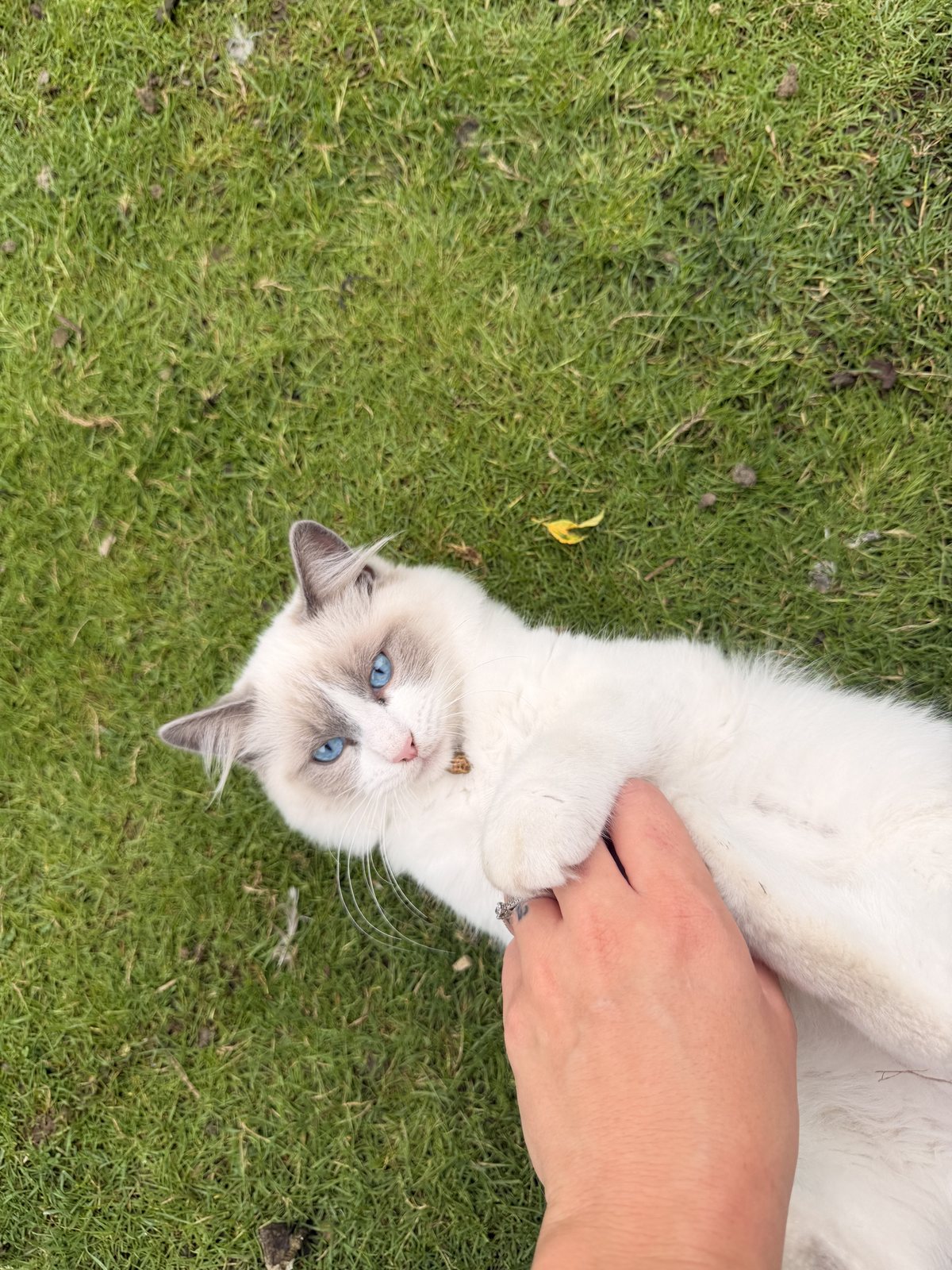
Cats barely sweat, a little through paw pads and nose, and their main cooling systems are behavioural: seeking shade and cool surfaces, sprawling to shed heat, and grooming, which cools as saliva evaporates. What cats conspicuously lack is the dog’s panting radiator, and that difference is the summer rule every owner needs.
A panting cat is not coping the way a panting dog is; open mouthed breathing in a cat signals dangerous overheating or distress and belongs in the emergency category. Knowing that single difference is most of feline summer safety.
Summer comfort is provided, not commanded: curtains drawn on the sun side through the peak hours, tiled and shaded floors left clear because cats will find the cool spots if the cool spots exist, fresh water multiplied and refreshed, a breeze arranged with fans, and for the dedicated, a wrapped frozen water bottle beside a favourite bed.
Grooming joins the effort, because a well brushed coat sheds trapped undercoat and works better as insulation in both directions, and the pale eared deserve a mention: white ears and noses sunburn, and cat safe protection or shade discipline matters for the pink extremities.
The escalation reads: heavy lethargy beyond sensible summer laziness, then drooling and open mouthed breathing, then unsteadiness, vomiting or collapse. From the panting stage onward, treat it as an emergency in progress rather than something to monitor.
The response is cool, wet and moving: to a cool room immediately, cool, not iced, water offered, damp towels or gentle wetting of paws, ears and body, a fan if you have one, and the vet rung en route rather than after. Overcooling with ice can backfire, so cool steadily and travel. Elderly cats, the overweight and flat faced breeds carry the highest risk and the least margin.
The season’s one absolute: a cat is never left in a parked car, minutes included, windows cracked included. Cabin temperatures outrun the outside air within minutes and defeat feline cooling entirely, and vet trips in summer plan around it, cat carried in, never waited in.
Extend the rule’s logic to the car’s cousins: conservatories, greenhouses, caravans and sunroom windowsills all run the same glasshouse physics. Any glazed box a cat can nap in becomes an oven on the wrong afternoon, and the doors worth propping are the ones that let a sleeper leave.
The Ragdoll coat works both directions: the same structure that traps warmth in January traps a layer of cooler air and blocks solar gain in July, provided it is combed. Shaving removes the insulation and exposes pale skin to sunburn; the summer service is grooming, not removal.
Moult season overlaps early summer usefully, and the daily comb during it strips the redundant undercoat exactly when the cat wants it gone. A slick, tangle free coat is functional summer equipment; a matted one is a felt blanket worn in a heatwave.
Summer comfort is mostly free: curtains drawn on the sun side by mid morning, tiles and bathroom floors left accessible, a breeze path arranged through screened openings, beds moved off sunny sills, and a frozen water bottle wrapped in a towel beside the favourite sprawl spot.
Water multiplies in the heat: extra bowls in shaded spots, refreshed often, ice cubes floated for the intrigued, fountains cleaned weekly as algae season arrives. Wet food shifted to cooler hours keeps appetite honest, and games move to dawn and dusk with the cat’s own energy.
Heat does not distribute risk evenly: flat faced cats, the overweight, seniors, kittens, cats with heart or airway conditions, and thick coated sun worshippers head the register. For them, hot spells are managed actively, cool rooms, monitored time near glass, extra water audits.
Know your household’s register and watch its members specifically on peak days: the early signs, restlessness, open mouth breathing, drool, belong to the same day emergency script wherever they appear, and in the at risk cats they arrive sooner and escalate faster.
Cats descend from desert animals and hide discomfort, so heat trouble sneaks up quietly. Build cooling architecture: shade, airflow, cool floors, water stations multiplied, and grooming that keeps the coat working as insulation rather than a blanket. Know the heatstroke red flags, panting, drooling, wobbling, and treat them as an emergency with cool water and an immediate vet call. The car rule has no exceptions, not even minutes. Kittens, seniors, flat faces and the unwell head the at risk register.
Only through paw pads, a trivial cooling budget, topped up by grooming evaporation and behaviour. Their real strategy is avoidance, which is why the household’s job is providing somewhere worth avoiding heat in.
Brief panting after wild play in warmth can happen, settling within minutes of rest. Panting at rest, or persisting, is emergency punctuation and reads as heatstroke or breathing trouble until a vet says otherwise.
Airflow helps by assisting evaporation, and many cats appreciate a breeze path more than a direct blast. Pair it with shade and water; a fan alone in a hot sealed room mostly stirs the oven.
Unasked soakings stress cats; damp is different: a wrung cool cloth stroked along fur, wet paws and ears, cooling mats offered. In an actual heatstroke emergency, cool wet towels and the vet, immediately.
Shade sails or covers over part of the run, water stationed inside, and access back indoors always open: a catio must never become the glazed box of the car rule. Check surface temperatures too; metal and dark decking burn pads.
White eared and thin coated cats genuinely burn, ear tips especially, and repeated burning raises skin cancer risk. Shade management and vet approved pet sunscreens for the susceptible are worth the small effort.
There is no single number, but sustained high twenties and beyond starts costing comfort, and the cat’s behaviour, flat sprawls on tile, seeking draughts, tells you before thermometers do. Engineer the cool options and let the cat choose.
Never leave a cat in a parked car in warm weather, not for minutes, not with windows cracked, because cabin temperatures climb lethally fast. The same thinking applies to conservatories, sun rooms and greenhouses, which turn into ovens by mid morning; check them before closing any door, and check sheds too, where a napping cat gets shut in for a hot afternoon.
Cats cool by seeking, so give them options: curtains drawn on the sun side, tiled floors and shaded rooms accessible, airflow from fans, and water stations multiplied and refreshed with the odd ice cube, which many cats treat as a toy and a drink at once. A damp towel laid on a cool floor, a cooling mat, or a gently damp flannel wiped over the coat all help the committed sunbather. Shift play to cool mornings and evenings, letting the hot hours stay siesta hours, which suits a cat’s schedule perfectly anyway.
A well groomed semi longhaired coat insulates against heat as well as cold, so the answer to summer is the comb, not the clippers: daily strokes through the coat in shedding season remove the loose undercoat that traps warmth, as our grooming guide covers. White and pale eared cats can sunburn, so window sunbathers with pink ears benefit from pet safe sun protection advice from your vet. Never shave a cat for summer on your own initiative; it removes their built in climate control and invites sunburn.
Cats pant only when things are serious. Open mouthed breathing, drooling, bright red gums, lethargy, wobbliness or vomiting in heat are emergency signs: move to cool immediately, offer water, wet the paws and coat with cool, never icy, water, and call the vet at once. The full red flag rules from our health basics guide apply, and in a heatwave they apply faster.
For hot weather care and emergency signs, the PDSA keeps clear vet written summer guides.