
From our colony to your sofa
Christmas & Holiday Hazards
Trees, tinsel, festive plants and foods, and the guest door problem.
Last reviewed
Trees, tinsel, festive plants and foods, and the guest door problem.
Last reviewed
Christmas rearranges the whole house into a cat adventure playground, and a few of the attractions are genuinely dangerous. None of this list means cancelling Christmas; it means knowing the six things that send cats to the vet every December, and designing them out in advance.
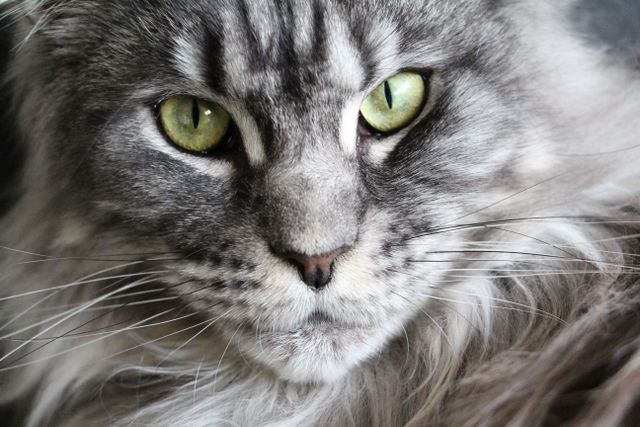
The season’s biggest temptation: a climbing frame with dangling toys, planted in the lounge. For general observation, not diagnosis.
The tree survives December by engineering, not optimism: anchored to wall or ceiling against a determined climber, glass and heirloom baubles hung high with only soft ornaments in paw range, wired lights checked and cable protected, and the water reservoir of a real tree covered, because pine steeped water is a toxic drink.
Tinsel earns its own clause: to a cat it is irresistible prey, and swallowed it becomes a linear foreign body, one of the nastiest surgical emergencies in the book. The safest tinsel policy in a cat house is none, and ribbon on presents deserves the same suspicion.
The Christmas kitchen assembles a remarkable toxicology exhibit: chocolate, the darker the worse; raisins, sultanas and currants, meaning mince pies, Christmas cake and pudding are all off the feline menu; onion and garlic hiding in gravies and stuffing; cooked bones that splinter; alcohol in unattended glasses and even boozy desserts.
The workable policy is a treat embassy: a small plate of plain cooked turkey issued officially, and everything else defended by closed doors and cleared plates rather than vigilance alone. Guests are briefed once, kindly: nothing from the table, however soulful the eyes.
For a routine loving animal, Christmas is a fortnight of broken rules: strangers, noise, doors forever opening, furniture migrating and the household’s rhythm dissolved. The gift that costs nothing is a sanctuary room, off limits to guests, holding tray, water, bed and quiet, with the cat granted asylum there whenever it chooses.
Keep meal times sacred amid the chaos, watch the front door during arrivals and departures like the escape risk it is, and give the resident a little ordinary play and fuss each day of the festival. Most cats sail through Christmas; the ones that struggle are nearly always missing the exit.
Christmas often imports other people’s animals: a relative’s dog staying for the week, a friend’s puppy at the party. Resident cat and visiting dog get the full introduction protocol in miniature, separate rooms by default, the cat’s food, tray and retreats untouchable, meetings brief, on lead and rewarded for calm, and never a moment unsupervised together, however friendly everyone’s intentions.
The visiting animal’s kit is part of the audit too: dog chews and rich dog food are theft targets, unfamiliar medication in a guest’s bag is a genuine poisoning route, and an open front door with two households’ worth of animals is twice the escape risk. Our cats and dogs guide covers the longer version; December just runs it at speed.
Christmas cooking assembles the feline toxic roster in one room: onions, garlic, leeks and chives through everything savoury, chocolate in every second gift, grapes and their dried forms in mincemeat and pudding, cooked bones in the carcass, alcohol in unattended glasses, and rich fat everywhere. The counter rule is simple: the cat dines on cat food, and scraps are a strictly vetted treat, plain turkey meat only.
The carcass and the bin are the after dinner hazards: cooked bones splinter, string smells of meat and swallows like ribbon, and foil wrap carries fat. A lidded bin emptied promptly closes the whole category.
A houseful of guests means doors opening constantly, coats and bags full of interesting hazards, and a soundscape a sensitive cat never voted for. The standing fix is a quiet room: the cat’s usual bed, water, tray and a worn jumper of yours, door ajar to a calm part of the house, with guests briefed that the cat greets whom it chooses.
Door discipline is the escape insurance: guests reminded, the cat’s whereabouts known before big arrivals and departures, and a microchip whose registered details you have actually checked this year, because December is peak season for cats slipping out through hospitality.
Take the decorations down with the same care they went up: needles swept from under furniture, stray ribbon and string hunted from wrapping corners, broken decorations binned rather than boxed, and forgotten chocolates found before the cat finds them. Button batteries from new gadgets and toys are a particular find worth making.
It is also the moment to reset the ordinary: routines back to normal times, the quiet room stood down gently, and a quick stock check of the cat’s own supplies after the disrupted weeks. The season ends when the house is boring again, which is exactly how the cat likes it.
Cats Protection behaviourist Nicky Trevorrow and Simon Tofield cover the festive hazards this guide lists, from tree bases and baubles to unwrapped gifts, the turkey and the case for a quiet room away from the party, then finish with five short Christmas animations. Five minutes that make December safer.
Watch on YouTube Simon’s Cat with Cats Protection, 5 minutes
Christmas turns the house into a cat adventure playground with some genuinely dangerous attractions. Anchor the tree and skip tinsel, which is surgery in ribbon form. Keep lilies out of the house entirely, and chocolate, grapes, onions, alcohol and cooked bones off the menu. Manage the social storm with a guarded retreat room, treat visiting pets as proper introductions, watch the kitchen at full tilt, and mind open door season. A quick January audit of decorations and leftovers closes the season safely.
Their reputation outruns the evidence: poinsettia sap is a mild irritant, causing drooling or stomach upset at worst. The genuinely dangerous festive plants are lilies, deadly in tiny amounts, plus holly, ivy and mistletoe berries worth keeping out of reach.
Swallowed strands become linear foreign bodies: one end anchors while the gut cinches along the rest, causing catastrophic internal damage. Never pull visible tinsel or ribbon from either end of a cat; go straight to the vet.
Ring the vet now rather than watching and waiting, with the type of chocolate and rough amount ready: darker means more dangerous. Early advice or treatment is simple; established toxicity is not.
Only attended and only out of tail range: mantelpiece height, sturdy holders, snuffed when you leave the room. Flameless alternatives give the glow without the singed whisker or the toppled flame.
Imported ones can contain antifreeze solution, and antifreeze is both attractive to cats and lethal in tiny doses. Keep globes where they cannot be knocked, clean any breakage instantly and thoroughly, and treat any suspected licking as an emergency.
Anchor the tree well, because a climbing kitten and a toppling tree is the classic Boxing Day story. Skip edible decorations, hang the precious baubles high and the unbreakables low, and tape down or cover the light cables, since fairy lights dangle at exactly chewing height. Tree water for real trees stays covered, because the additives and sap are not for drinking.
Tinsel, ribbon, gift string and curling bows are irresistible, swallowable, and the cause of serious intestinal surgery every year. Our house rule is simple: tinsel does not come in, ribbon goes in the bin the moment unwrapping ends, and the gift wrapping session gets supervised like the hazard it is. The full string warning lives in our kitten proofing guide.
Lilies remain the deadly one and simply do not enter a cat household, bouquets included. Poinsettia, holly, ivy and mistletoe are all worth keeping out of reach too. On the food front, chocolate, alcohol, onion gravy, stuffing heavy with onion and garlic, raisins in mince pies and cooked poultry bones all stay firmly human side, however soulful the stare. A little plain cooked turkey, boneless and skinless, is the safe festive treat.
Visitors mean opening doors, and opening doors mean escape chances for an indoor cat, so brief your guests and watch the hallway. Give your cat a quiet retreat room with tray, water and bed where the party is not, and let them opt out of festivities entirely if they wish. Keep your vet’s out of hours number and the Animal PoisonLine, 01202 509000, saved before the season starts, and the worst this list ever becomes is a guide you did not need.
For complete festive hazard lists, International Cat Care and the PDSA both publish seasonal safety guidance worth a December bookmark.