
From our colony to your sofa
Raw Feeding: Weighing It Up
The case for, the case against, and doing it properly if you do.
Last reviewed
The case for, the case against, and doing it properly if you do.
Last reviewed
Raw feeding inspires evangelists and alarmists, and most families just want a straight answer. Here is ours: it can be done well, it is harder than the internet suggests, and the word raw covers everything from excellent to genuinely risky.
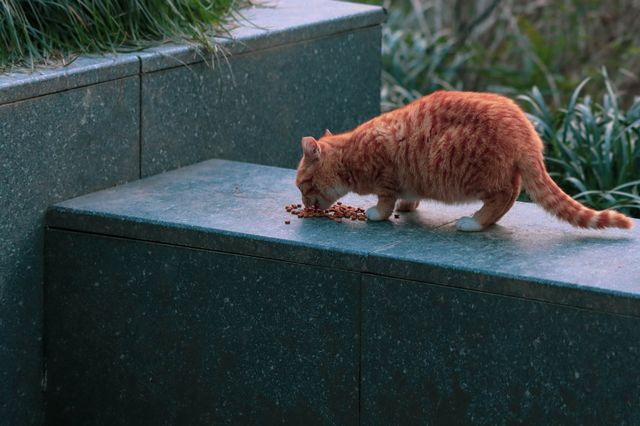
The strongest argument against casual raw feeding is not drama but arithmetic: a cat’s mineral and vitamin requirements are precise, calcium against phosphorus especially, and a well meaning bowl of plain meat misses them badly, because prey is eaten bones, organs and all, and a chicken breast is not a mouse. Deficiencies built this way surface months later in bones and hearts.
If raw appeals, the responsible route is a commercially prepared complete raw food, formulated and tested to the same nutritional standards as any other complete diet, rather than home assembly from supermarket parts. The word complete does the same heavy lifting here as everywhere else on the label shelf.
Raw feeding imports raw meat handling into daily life, and the contract is the same one your own kitchen already knows: frozen storage, planned defrosting in the fridge, bowls and surfaces washed hot after every meal, uneaten portions lifted rather than left to summer, and hands washed like it matters, because it does.
The contract extends to the household: homes with babies, elderly residents or anyone immune compromised should weigh the pathogen traffic seriously, and cats sharing beds with the vulnerable make the conversation worth having with both your vet and your GP. It is manageable; it is simply not optional.
Some cats sit outside the casual raw conversation entirely: kittens building bodies at speed, pregnant and nursing queens with no margin for error, and any cat whose immunity is compromised by illness or medication. For these, formulation precision and pathogen load both matter more, and the vet belongs in the decision before the freezer fills.
For the healthy adult with a committed owner, raw done properly is a legitimate choice among several good ones; done vaguely it is a slow gamble. The difference between the two is exactly the homework in this guide.
Practical raw feeding is a supply chain: freezer space measured in drawers not corners, deliveries planned before the stock runs out, defrosting done in the fridge on a rota, and portions managed so nothing thaws twice. The romance of ancestral diets meets the reality of Tupperware.
Plan the infrastructure before the first order: a dedicated shelf or freezer, labelled containers, a defrost calendar on the door. Households that run the logistics smoothly keep raw feeding pleasant; households that improvise meet 10pm defrost emergencies and fridge archaeology.
Cats imprint on food textures young, and many adults regard raw as suspicious foreign matter: transitions succeed through patience, moving via good wet food first, introducing raw as a side dish, warming portions slightly, and accepting that some cats take weeks and a few never convert.
Never starve a cat into compliance: cats’ livers punish food strikes dangerously, and a cat refusing food for more than a day is a medical situation, not a battle of wills. The cat holds a veto throughout, and respecting it is a safety rule, not a failure.
Complete commercial raw for a large breed costs more than good wet food in most households, with premium suppliers, delivery and freezer electricity in the ledger. Home prepared raw looks cheaper per kilo until supplements, variety and wastage join the arithmetic.
Price it per month against the quality tier you would otherwise buy, including your time. Raw can be worth its cost to households that value it; it should never be chosen as an economy, because done cheaply is precisely how it goes wrong.
Households drawn to raw’s benefits but daunted by the project have honest middle options: high meat complete wet foods, gently cooked fresh diets from reputable makers, and freeze dried raw toppers used as accents on a complete base. Each captures much of the appeal with fewer sharp edges.
The middle path also suits mixed households where immune compromised members make raw hygiene stakes higher. Nutrition is a spectrum, not a purity contest, and the best diet remains the complete one your particular household can run safely every single week.
Raw feeding can be done well and can be done dangerously, and the difference is homework. The balance problem is real: home recipes routinely miss taurine, calcium and vitamins, so complete commercial raw or a veterinary nutritionist’s recipe beats improvisation. The hygiene contract is non negotiable, and kittens, seniors, immunocompromised cats and households with vulnerable people should wait or skip it. Cost the freezer logistics properly, transition slowly, and remember a middle path exists: quality wet food with occasional raw done safely.
With genuine hygiene discipline, surfaces, hands, bowls, storage, risk is managed; with casual habits it is not. Households with babies, elderly or immune compromised members should discuss it with both doctor and vet first.
No: that recipe builds deficiency diseases with confidence. Cats need calcium ratios, organs and specific nutrients like taurine engineered in; complete commercial raw or a nutritionist’s recipe are the only sound versions.
Growing kittens have the least room for nutritional error and the most vulnerable immune systems, so raw for kittens is a strictly vet supervised project if attempted at all. Our kittens go home established on conventional complete food.
Cooked bones splinter and are never safe. Appropriate raw bone content arrives ground inside complete products; whole bones are an advanced topic to take up with your vet, not a treat drawer item.
Some skin and gut cases improve on novel or limited diets, raw or otherwise; the fix is the ingredient control, not rawness itself. Run diet trials with your vet so results actually mean something.
Texture and temperature: fridge cold, unfamiliar textures fail the imprint test. Warming slightly and hand offering helps; some cats simply vote no, and the vote stands.
Nutritionally close when from complete recipes, with easier storage and gentler hygiene stakes. It is a legitimate format, priced accordingly, and a sensible on ramp.
Cats are obligate carnivores, and a properly formulated raw diet suits some cats visibly: families report glossy coats, small tidy stools, good hydration from the moisture content and enthusiastic appetites. Those reports are real, though it is worth saying quietly that most of those improvements follow any well matched, high quality diet, raw or otherwise, and enthusiasm at the bowl has never been proof of nutrition.
Balance is the hard part. Home assembled recipes routinely miss taurine, the calcium to phosphorus ratio and key vitamins, and those gaps show up months later as heart, eye and bone trouble rather than as a bad week. Pathogens are the other half: raw meat carries salmonella and friends, freezing does not sterilise it, and the risk lands on humans as well as cats, which deserves extra thought in homes with babies, elderly relatives or anyone immunocompromised. Cooked bones are never safe, and even raw bone carries dental and blockage risk.
Buy complete commercial raw from a reputable maker formulated to recognised feline standards, and treat home recipes as a project requiring a veterinary nutritionist, not a forum thread. The word to find on the pack is complete, exactly as our food label guide explains, since raw complementary minces are toppers, not diets. Run freezer and worktop hygiene like a small professional kitchen, transition slowly alongside the routines in our feeding guide, and let complementary raw treats be the low stakes way to test the water.
Our own fifteen thrive on quality complete commercial food, and our kittens are weaned onto it, because with this many mouths we prize consistency, safety and a diet we can trust batch after batch. If raw appeals to you, wait until your kitten is settled and growing well, involve your vet in the decision, and buy complete and reputable rather than improvising; a kitten’s settling weeks are the wrong moment for dietary adventures. There is no judgement here in either direction: the goal is a thriving cat, and more than one road leads there.
For balanced perspectives on raw diets, International Cat Care publishes measured guidance, and the PDSA covers the safety side for mixed households.