
Are Essential Oils and Diffusers Safe for Cats?
What smells of a spa to you can be a poison to the cat on the sofa.
Last reviewed
Are essential oils safe for cats? Mostly not. PDSA's vets say most essential oils are toxic to cats, and that they can cause serious organ damage, and in extreme cases liver failure, fits or death. Tea tree, peppermint, citrus, lavender and eucalyptus are all on the list. The danger is greatest with neat oil on the skin or coat, where the cat licks it off, and with liquid a cat can drink, such as a reed diffuser. Heavily diluted scent in a well aired room is a much smaller risk. Here is which oils to worry about, how cats come into contact with them, the signs of poisoning and how to keep a home smelling pleasant without harming a Ragdoll.
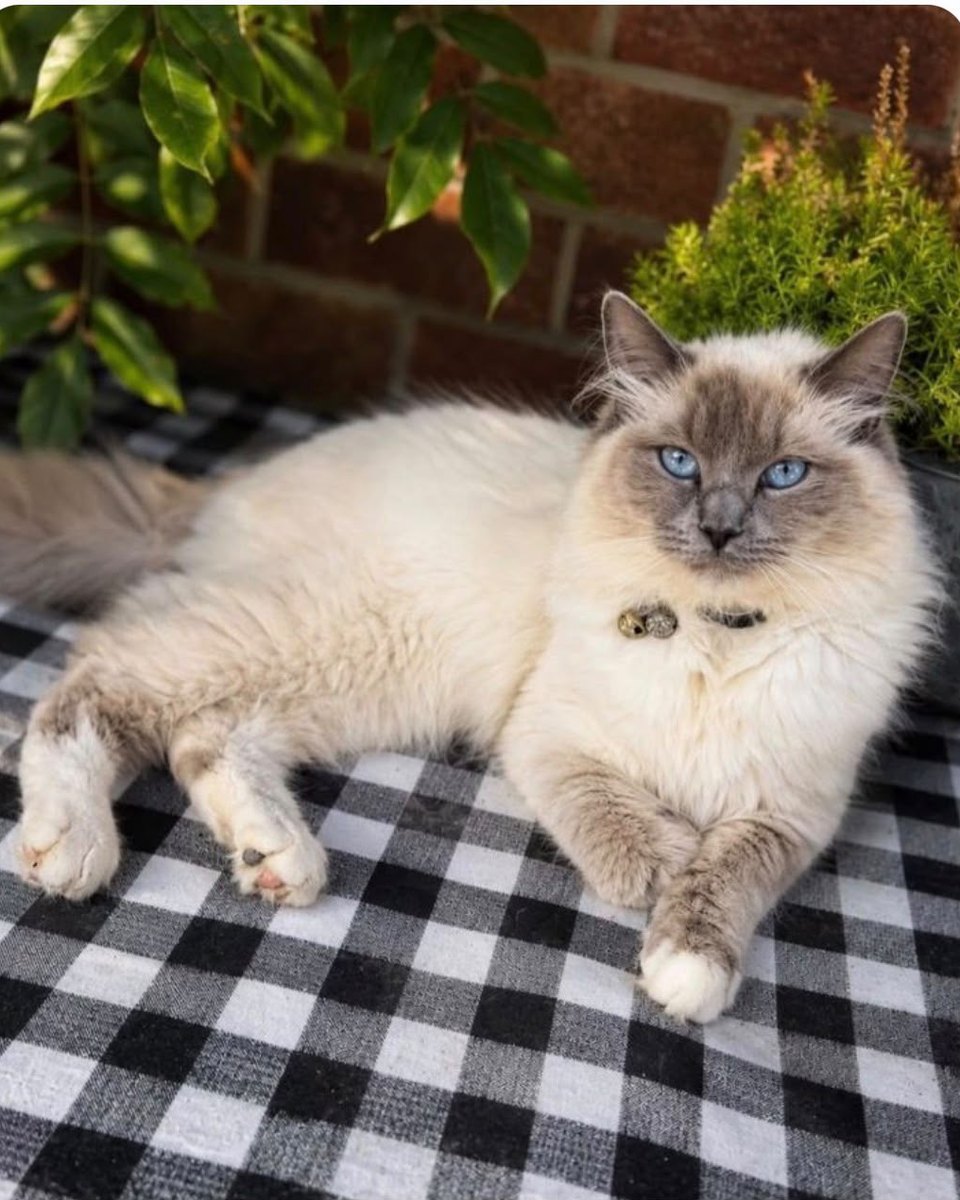
Milkyway, one of our queens. Whatever lands on a cat's coat ends up inside the cat.
Are essential oils toxic to cats?
Yes, most of them. How dangerous depends on three things.
- Strength. Undiluted, or neat, oil is far more harmful than a few drops in a large volume of water or a trace in a shampoo.
- Route. Oil on the skin or coat, or swallowed, is the serious one. Breathing in a diluted scent is a much lower risk for a healthy cat.
- The cat. Cats with breathing problems such as asthma are more at risk from scent in the air. See asthma and coughing.
PDSA does not name any essential oil as safe for cats. Treat all of them with the same care.
Two things make cats more vulnerable than people. They are less able to break down some of the compounds in these oils, so a small amount goes a long way. And they wash: whatever settles on the coat, the paws or the bed is swallowed at the next groom.
Which essential oils are toxic to cats?
PDSA names these in particular:
- Tea tree
- Peppermint
- Citrus oils, such as lemon and orange
- Lavender
- Eucalyptus
- Ylang ylang
- Pine
- Cinnamon
- Clove
- Wintergreen
- Sweet birch
Tea tree deserves its own warning. It is sold as a natural remedy for skin and fleas, and putting it on a cat is one of the commonest ways cats are poisoned by oils. Never put any essential oil on a cat's skin or coat, whatever the label or a forum says.
How cats come into contact with essential oils
- On the skin or coat. Oil applied on purpose, or picked up by rubbing against a surface, a spill or your hands.
- Licking. A cat washes off whatever is on its coat and swallows it.
- Drinking. Reed diffusers are open jars of scented liquid at cat height.
- Breathing. Rarely a problem with diluted oils. The risk rises with neat oil in a nebuliser or an ultrasonic diffuser, which puts fine droplets into the air and on to the coat.
- Cleaning. Neat oils used to wipe surfaces transfer to paws and fur.
- Flea products. Shop bought treatments based on essential oils may not work well and may carry a risk. Use what your vet prescribes. See fleas.
Diffusers, plug ins, candles and sprays
- Reed diffusers. Keep the cat out of the room, or the diffuser out of the house. The liquid can be drunk or knocked over on to the coat.
- Plug in and electric diffusers. Keep cats out of the room while they run, and air the room well before letting the cat back in.
- Nebulisers and ultrasonic diffusers with neat oil. The highest risk of the airborne products.
- Scented candles, wax melts and incense. PDSA's advice does not cover these by name. Many are scented with the same oils, so the same caution makes sense: out of reach, in an aired room, never left alone with a cat. A flame and a tail are a hazard of their own.
- Room sprays and fabric sprays. Do not spray on or near the cat, its bed, its tray or its bowls.
- Toiletries and cosmetics. Products with only a very small amount of essential oil carry a low risk. Wash your hands after using anything stronger.
A plug in pheromone diffuser sold to calm cats is a different product and is not an essential oil. Stress and calming explains how those are used.
Everyday products that contain essential oils
Read the label. Oils from the list above turn up in things nobody thinks of as aromatherapy.
- Cold remedies. Vapour rubs, inhalant oils and decongestant drops on a pillow or a tissue are mostly eucalyptus, menthol and pine.
- Muscle rubs and massage oils. On your skin, where a cat that likes to lick hands and arms will find them.
- Natural cleaning sprays. Tea tree, citrus and pine are popular in them.
- Insect repellents and natural flea remedies.
- Bath oils, bath bombs and shower steamers. Shut the bathroom door, and rinse the bath before a cat that likes to drink from it gets in.
- Pot pourri and scented sachets, which cats also like to chew.
None of these needs to be banned from the house. They need a lid, a closed door and washed hands.
Signs of essential oil poisoning in cats
- Dribbling
- Vomiting
- Shaking or tremors
- Walking as if drunk
- Being dull, flat or unusually sleepy
- Difficulty breathing, or breathing with the mouth open
- Collapse or fits
- Sore, red or burnt skin where oil has touched
Skin that looks normal does not mean the cat is fine. Oil is absorbed, and licked off, without leaving a mark.
What to do if your cat has been exposed
- Ring your vet at once, even if the cat seems well.
- Have the bottle in your hand. The vet needs to know which oil it is and how strong.
- Stop the cat washing. Wrap it in a towel, or put it in its carrier, until you have spoken to the vet.
- Do not make the cat sick, and do not wash it with anything until you have been told what to use.
- Move the cat to fresh air if a diffuser has been running.
Poisoning: the golden hours guide explains why the first hours matter, and breathing fast or heavily covers the breathing signs.
How to use scent safely in a home with cats
- Store all oils shut away, as you would medicines.
- Never put oil on the cat, its bedding or its collar.
- Dilute, and do not clean with neat oil.
- Keep the cat out of the room while a diffuser runs, and air it before the cat returns.
- Always leave the cat a way out. Never run a diffuser in a closed room with a cat in it.
- Wash your hands after handling neat oil and before touching the cat.
- Wipe up spills at once and keep the cat away until the surface is rinsed and dry.
A fresh smelling house without the oils
- Scoop litter trays daily and wash them weekly. Litter types compares how well each controls smell.
- Wash bedding and throws often.
- Open the windows, with restrictors on if the cat is in the room.
- Clean with products that are safe around animals, at the right dilution. The ones we use, with their safety sheets, are on our cleaning products page.
Quick questions, answered
Are essential oils safe for cats?
Most are not. PDSA says most essential oils are toxic to cats and can cause serious organ damage. Neat oil on the skin or coat, or liquid a cat can drink, is the greatest danger.
Which essential oils are toxic to cats?
PDSA names tea tree, peppermint, citrus oils, lavender, eucalyptus, ylang ylang, pine, cinnamon, clove, wintergreen and sweet birch, and says most others are toxic too.
Are diffusers safe to use around cats?
Keep cats out of the room while a reed, plug in or electric diffuser is in use, and air the room before the cat comes back. Reed diffuser liquid must be kept where a cat cannot drink it or knock it over.
Is lavender safe for cats?
Lavender oil is on PDSA's list of oils that are toxic to cats. Do not put it on a cat or its bedding, and follow the same rules for diffusers as for any other oil.
Is it safe for cats to smell essential oils?
Breathing in a well diluted scent in an aired room is a low risk for a healthy cat. The risk is higher with neat oil in a nebuliser or ultrasonic diffuser, and for cats with asthma.
Are scented candles and wax melts safe for cats?
Treat them with the same care as diffusers. Many are scented with the same oils, so burn them out of reach in an aired room, never leave one alone with a cat, and stop if the cat coughs, sneezes or leaves the room.
Can I use tea tree oil on my cat?
No. Tea tree oil is toxic to cats and putting it on the skin or coat is a common cause of poisoning. For fleas or skin problems use only what your vet prescribes.
What should I do if my cat licks essential oil?
Ring your vet at once, even if the cat seems well, and have the bottle to hand so that you can say which oil it is and how strong. Do not make the cat sick.
Sources and further reading
- PDSA: Are essential oils toxic to cats?: The vet charity on which oils are toxic, how cats are exposed, the signs, and how to use scented products in a home with cats.
Thinking about a Ragdoll kitten?
Our Ragdoll kittens grow up in our home in Ryde, Isle of Wight, with health tested parents and our support for life. See who is available now, or join the waiting list for the next litter.