
From our colony to your sofa
The Poorly Tummy: Vomiting & Diarrhoea
When to nurse at home, and when the rules change.
Last reviewed
When to nurse at home, and when the rules change.
Last reviewed
Every cat has the occasional digestive protest: a stolen scrap, a too fast dinner, a hairball with theatrical staging. A single vomit from a cat who then behaves completely normally is usually just feline life.
The skill is telling that from the start of something real. The questions that matter: how often, for how long, is the cat still bright, still drinking, and is anything else wrong alongside. One event is information; a pattern is a problem.
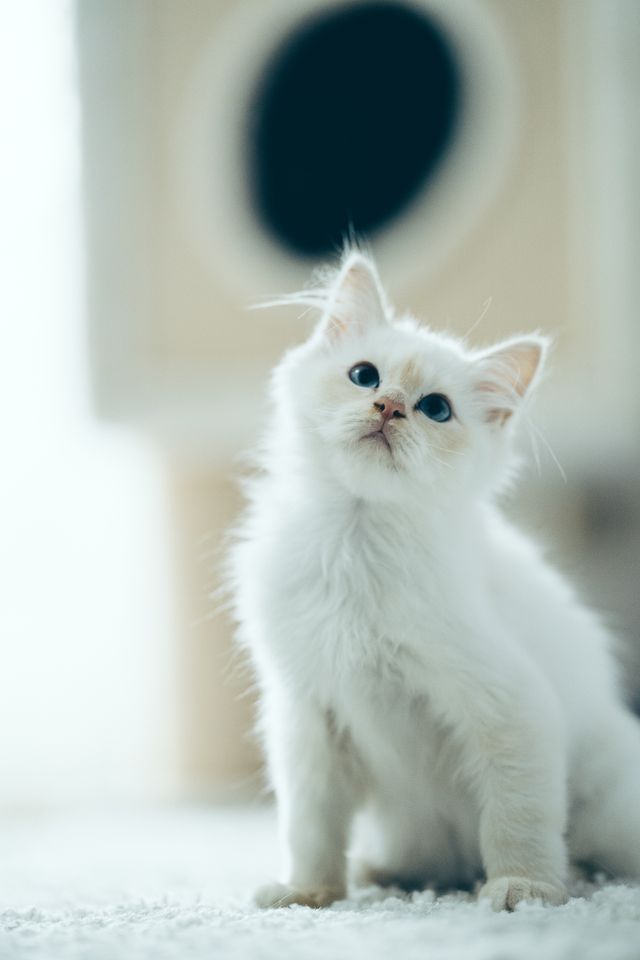
Frequency first: repeated vomiting in a day, or diarrhoea lasting more than a day or so, changes the category. Then the cat itself: bright and mooching for food is reassuring, hunched and hiding is not. Check the gums: they should be pink and moist, and a gentle skin tent at the scruff should spring back instantly. Slow gums and slow skin mean dehydration.
Then the produce, unglamorous but honest: blood in either direction, black tar coloured stools, or vomiting that brings nothing up all cross the vet line immediately. And with any tummy upset, quietly ask what else is true: new food, a missing toy, string, wool or ribbon anywhere in the house.
For an otherwise bright adult cat: do not withhold water, ever. Offer small amounts frequently. Food wise, modern advice is a short settle then small, frequent, bland meals: plain cooked chicken or white fish, or a vet gastrointestinal diet, rather than the old fashioned long starve, which cats handle badly.
Keep litter trays extra clean and keep score in a note on your phone: times, appearances, appetite. If you do end up at the vet, that log turns guesswork into diagnosis.
The old twenty four hour starve has been retired for a simple reason: the cells lining the gut feed largely from the gut itself, and an empty intestine starts running down exactly the machinery you need for recovery. Cats add their own hazard, because more than a day or two without food can tip their livers into serious trouble.
So the modern protocol is a short settle of a few hours, then small, frequent, bland meals that keep the lining fed without overwhelming it. Recovery food is medicine in this story, not an interruption to treatment.
A remarkable share of poorly tummies are self inflicted by enthusiasm: the new food swapped in overnight. Feline digestion runs on habit, and its resident bacteria need time to retool for a different recipe, so the standard transition runs a week or more, old food shading into new by quarters.
The companion discipline is one change at a time: new food or new treats or new milk substitute, never all three in a weekend, because when something disagrees you want to know which something. Slow and single variable is the whole trick.
A tummy that goes wrong monthly is not a series of bad days but a pattern asking to be read. The reading kit is a boring diary: dates, foods, stress events, treatments, appearance. Three entries usually reveal the rhythm, whether it points at a food ingredient, a scavenging habit, a stress trigger or something needing proper investigation.
Take the diary to the vet rather than the vague sense that it keeps happening: chronic and recurring digestive trouble has a genuine diagnostic ladder, from diet trials to stool panels to imaging, and it climbs fastest when the history arrives organised.
When a stomach upsets, audit the last day like a detective: bins raided, food dropped by visitors, a new treat opened, plants chewed, next door’s feeding station discovered, prey caught, medications in reach? The list you build is diagnostic gold, and it is also the treatment plan’s first draft.
Bring the audit to any consult, ideally with packaging or a photograph of the suspect. Half of gut medicine is history taking, and the owner who arrives with a timeline shortens the road to the right answer considerably.
Diarrhoea and vomiting are really water losses wearing costumes, so the home checks target hydration: gums should be wet and slick, not tacky; the skin tent over the shoulders should fall back briskly; the cat should still be drinking. Failing checks move the timetable from monitor to today.
Kittens run this triage on fast forward, their small bodies dehydrating in hours, which is why kitten tummy upsets skip home nursing entirely. When in doubt, the practice would rather hear about a wet gummed cat than meet a dry one tomorrow.
Some tummies report emotions: house moves, new pets, fireworks, even rearranged furniture can loosen a sensitive cat’s digestion with no toxin in sight. The pattern gives itself away, upsets that track events rather than meals, in a cat otherwise bright.
Handle the stomach gently and the stressor directly: bland support for the gut, routine and refuge for the nerves, pheromone support where it helps. A stress stomach that becomes frequent still earns a vet conversation, because the diagnosis is reached by excluding the physical, not by assuming.
Veterinary gut medicine runs on samples: a fresh stool in a clean pot from the practice answers parasite and infection questions no verbal description can. When an upset is heading to the clinic, collecting on the way turns a first appointment into a productive one.
For recurring upsets, vets sometimes ask for pooled samples across days to catch intermittent shedders. It is unglamorous homework with an excellent hit rate, and it spares the patient rounds of trial treatments aimed in the dark.
Kitten Lady walks through why loose stools in a young kitten are never something to wait out, and the practical steps she takes while getting a vet involved. Use it alongside the hydration and call list advice above.
Watch on YouTube Kitten Lady
Most upset tummies are brief and boring: something scavenged, a food change taken too fast, a hairball in transit. Nurse with the reset logic, small bland meals and water always available, and audit what they might have raided. The vet calls are clear: blood, black stools, repeated vomiting, a silent hunched cat, suspected poisoning or a kitten going flat, and hydration triage tightens every rule for small bodies. Repeat patterns earn investigation rather than repeated nursing; the food change method lives inside.
Prolonged starvation is out of favour, especially for cats, whose livers dislike fasting: a short settle of a few hours, then small bland meals, is the modern pattern for a bright adult. Kittens are never starved at home.
Plain cooked chicken or white fish, or a veterinary gastro diet, in small frequent portions, then a gradual blend back to normal food over several days. No seasoning, no milk, no leftovers economy.
A single vomit in a bright cat that keeps water down can be watched; repeated vomiting, or any cat who cannot hold water, crosses to same day care. Frequency and demeanour together draw the line.
No: several human stomach medicines are outright toxic to cats and none are dosed for them. The only safe shortcuts are the ones your vet names for your cat specifically.
No: recurring upsets are a pattern asking for a workup, diet trial, parasite screen, sometimes further tests. Cats are not meant to be regularly sick, however used to it a household becomes.
Never withhold entirely: offer small amounts frequently rather than free access to gulping if vomiting is active. A cat who cannot keep any water down is already an emergency case.
Cats graze for reasons science still argues about, and occasional grass then a vomit is common and usually harmless. Grass eating that becomes frantic or constant joins the pattern worth mentioning.
Hairballs get their own honest chapter in our hairball guide, and our recognising pain guide helps read the quieter signals.
When you want more depth on digestive upsets, the PDSA has a free vet written symptom library, and International Cat Care covers vomiting and diarrhoea as separate, thorough chapters.