
From our colony to your sofa
Dehydration: The Quiet Emergency
The two second checks and the water arithmetic.
Last reviewed
The two second checks and the water arithmetic.
Last reviewed
Cats are desert engineered, brilliant at conserving water and terrible at advertising its lack: by the time dehydration shows, it is established. Every illness on the poorly shelves travels with it, kittens and seniors fall into it fastest, and two ten second checks read it at home. This page teaches the checks, the causes, and the line between the water fountain and the drip.
Feline ancestors drank rarely and drew moisture from prey, and the design persists: a weak thirst drive, kidneys that concentrate urine hard, and a species that will quietly under drink on a dry diet for years. Adequate is the factory setting; reserve is thin.
That thin reserve is the problem: any extra loss, vomiting, diarrhoea, fever, heat, or any intake drop, nausea, pain, a dirty bowl, tips the balance quickly. Dehydration is rarely the headline disease; it is the accelerant that makes every other disease worse.
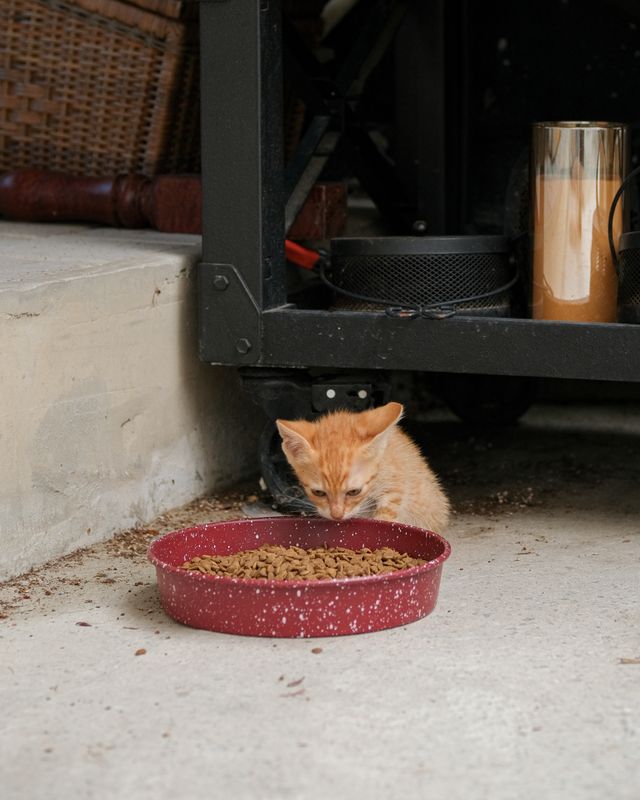
The skin tent: gently lift the loose skin between the shoulder blades and release. Hydrated skin snaps flat instantly; dehydrated skin sinks back slowly or stands in a tent. Practise on your healthy cat so you know its normal, since age and weight change the baseline.
The gum check: a hydrated cat’s gums are wet and slick to a clean fingertip; tacky or dry gums mean deficit. Add the eyes, sunken or dull in real dehydration, and the behaviour, flat and quiet. Two checks, ten seconds, and you have a reading worth acting on.
Sort dehydration by direction. Intake failures: nausea, mouth pain, stress, a bowl situation the cat has vetoed, or simple dry diet under drinking. Loss failures: vomiting, diarrhoea, the drink lots urinate lots diseases, kidneys, diabetes, thyroid, plus fever, heat and drooling.
The direction decides the urgency: a healthy cat drinking slightly less in winter is a husbandry project; a vomiting kitten losing from both ends is an emergency in the making. The checks measure the state; the cause sets the clock.
Kittens dehydrate at frightening speed: small bodies, high surface area, and diarrhoea or refusing to nurse can hollow a kitten in hours, not days. A flat kitten with a slow skin tent is a same day emergency, full stop, and our poorly kitten pages say the same.
Seniors fall differently: the kidney, thyroid and diabetic diseases of age all leak water, arthritis makes the journey to the bowl longer, and reserve shrinks with muscle. The senior rule is proactive: water stations multiplied, wet food weighted, and the checks run whenever anything else is wrong.
For the mild case, off colour but drinking, recovering from a vomiting blip, eating again after illness, home rehydration works: fresh water everywhere, wet food as the vehicle, warmed slightly and loosened with extra water, tuna water or the liquid from spring water fish as bribery, syringed water only in small, calm, cheek pouch amounts.
What home care never includes: forcing water into a vomiting cat, human rehydration drinks, which are built for the wrong species, or persisting past a day without improvement. Home refilling is for cats trending better; everything else needs the professional version.
Veterinary rehydration outperforms bowls because it bypasses them: subcutaneous fluids, a reservoir under the skin absorbed over hours, patch up mild to moderate cases quickly, while intravenous fluids rebuild the genuinely depleted, with electrolytes corrected and the cause treated alongside.
This is why same day matters: a vomiting cat cannot drink its way out, and every dry hour compounds the underlying disease. Owners of chronic kidney cats often learn home subcutaneous fluids as routine, proof the technique is friendlier than it sounds.
Same day veterinary attention for: a slow skin tent plus any illness signs; tacky gums with vomiting or diarrhoea; any dehydrated kitten; refusing water entirely; or sunken eyes and weakness. Emergency line now for: collapse, cold ears and paws, gums pale or darkening, or a cat too flat to right itself.
Bring the useful facts: when eating and drinking last happened, tray output, vomit and stool counts. Rehydration itself is quick medicine; the delay is the only part that does lasting damage.
Prevention is the hydration engineering this library repeats with conviction: wet food as the foundation, since a wet fed cat drinks most of its water at dinner; bowls wide, glass or ceramic, filled to the brim, away from food and trays; a fountain for the moving water fans; and water refreshed daily, because cats veto stale.
Layer the seasonal adjustments, more stations in summer heat and winter heating season alike, and keep the monthly weigh, since intake changes ride along with weight changes. A household running this arithmetic meets dehydration rarely, and reads it in seconds when it visits.
Cats are desert built and hide water debt: learn the ten second checks, the skin tent between the shoulders and the wet slick gums, and your cat’s healthy baseline. Sort causes into not drinking and losing fast; kittens and seniors fall fastest, and any dehydrated kitten is a same day emergency. Home refilling, wet food loosened with water, brimmed bowls, gentle syringing, suits only mild improving cases; vomiting, refusal or flatness needs the drip, which fixes in hours what bowls cannot. Prevention is wet food and water engineering.
Roughly fifty millilitres per kilogram from all sources, food included: a wet fed cat visibly drinks little because dinner carries most of it. Sudden changes either way matter more than the absolute number.
It is a strong guide with caveats: skinny seniors tent slightly when fine, plump cats snap back while dry. Learn your cat’s healthy baseline and judge changes, alongside the gums.
Small, slow cheek pouch amounts for a mild, non vomiting case trending better: it is support, not treatment. A cat needing serious refilling needs the vet’s version.
A running water preference is normal felinity: meet it with a fountain and brimmed wide bowls. The preference is fine; the total intake is what the arithmetic watches.
Drinking heavily while dehydrating is the classic signature of the leaking diseases, kidneys, diabetes, thyroid: the water runs through. That combination is a prompt appointment with a urine sample.
Hours, with diarrhoea or refused feeds: kitten hydration failures are same day emergencies always. Small bodies hold no reserve worth gambling.
For the many cats drawn to movement, measurably yes, and they keep water fresher: a worthwhile layer, not a magic one. The wet food foundation still does the heavy lifting.
Cats are largely lactose intolerant and milk buys diarrhoea, which spends water: it is a net loss. Water and wet food are the currency.
Heatwaves absolutely can, especially in sun trap rooms and for thick coated breeds: our summer pages cover the full protocol. Extra stations and cool rooms are the July arithmetic.
Safe and, for some cats, entertainment that promotes drinking: a summer trick worth trying. Novelty in water presentation is a legitimate tool.
Testing depth and movement, whisker comfort, or manufacturing ripples to see the surface: all normal. Wide, brimmed bowls retire most of the theatre.
The engineering lives in wet versus dry, the vomiting and diarrhoea causes in poorly tummies, the leaking diseases in kidney disease and diabetes, and the kitten rules in fading kitten syndrome.
For deeper reading, International Cat Care covers hydration and fluid therapy, and the PDSA explains dehydration signs for owners.