
From our colony to your sofa
Feline Herpesvirus: The One That Stays
The cold sore virus of the cat world, and how to live calmly with it.
Last reviewed
The cold sore virus of the cat world, and how to live calmly with it.
Last reviewed
Feline herpesvirus is one of the two main causes of cat flu, and its defining trick is permanence: after the first infection, the virus retreats into nerve cells and stays for life, exactly like cold sores in people. Most of the nation’s cats carry it and most owners never know.
It matters because it can reactivate, flaring during stress: a house move, a new pet, a cattery stay, an illness. A flare looks like a smaller rerun of the original cold, and the eyes are its favourite stage.
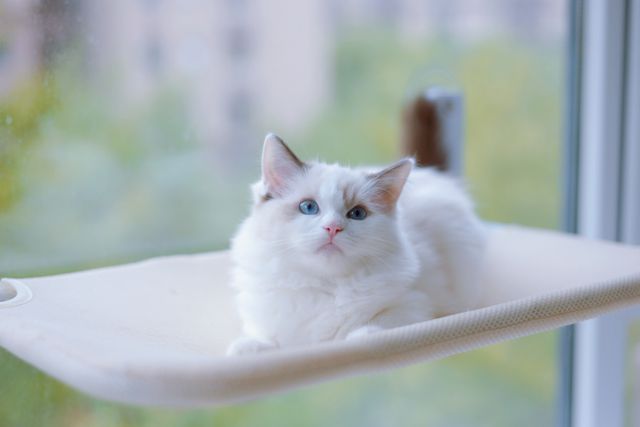
The pattern is sneezing, a watery eye or two, mild snuffles and a subdued day or three, arriving suspiciously soon after some upheaval. Eyes deserve the closest watch: herpesvirus can ulcerate the cornea, so a squinting, held shut or cloudy eye during a flare is a vet visit, not a wait.
Keep a simple diary of flares and their triggers. Two entries in, most owners can predict their cat’s pattern, which turns a mystery illness into a managed quirk.
There is no cure and rarely a need for one: management is stress reduction, good nutrition and prompt attention to flares. Antivirals exist for the serious cases, prescribed by vets, usually for eye involvement.
Practical flare care is cat flu nursing in miniature: warmth, rest, wiped eyes and nose, tempting food, and separation from housemates while sneezy. And because stress is the trigger, the boring foundations, routine, hiding places, gentle introductions, are genuine medicine.
After the first infection clears, herpesvirus retreats up the nerves serving the face and settles in a nerve junction near the base of the skull, where it sits genuinely dormant: not multiplying, not shedding, invisible to tests and untouchable by treatment. The cold sore comparison is not a loose analogy; it is the same viral family running the same strategy.
Reactivation is a journey in reverse: under stress hormones the virus wakes, travels back down the very same nerves, and reappears exactly where it first performed, eyes and nose. Which is why flares are so recognisably repetitive per cat: the virus is literally retracing its route.
Herpes ulcers on the cornea have a branching signature under the vet’s dye, and they carry one iron rule worth every owner knowing: steroid eye drops, brilliant for some inflamed eyes, pour petrol on a herpes ulcer and can cost the eye. This is exactly why leftover drops from another pet or a previous problem must never meet a flaring eye.
The safe sequence is unglamorous: any squinting or cloudy eye during a flare sees the vet, the dye test decides what is really happening, and the prescription matches the finding. Eyes forgive very few shortcuts, and herpes eyes forgive none.
Because stress is the reactivation switch, the most useful herpes management tool is a trigger map: note what changed in the fortnight before each flare. The usual suspects are moves, building work, new animals or people, cattery stays, firework season, and even furniture rearrangements that redraw a cat’s territory.
With the map in hand, prevention gets specific: extra hiding places and routine during upheavals, introductions run slowly, boarding chosen for calm over convenience, and a planned quiet week after anything big. You cannot remove stress from a cat’s life, but you can stop scheduling it in clusters.
Carrier status belongs in the cat’s file everywhere it has one: the vet’s records flagged so any eye or respiratory sign is read in context, the cattery told at booking so early sniffles are reported rather than watched, the pet sitter briefed with the flare plan on the fridge.
None of this is stigma; it is speed. Professionals who know the history act a day earlier, and with this virus a day is the difference between a blip and a battle. The one line disclosure is the cheapest medicine the cat will ever receive.
Owners of carrier cats meet a shelf of supplements, lysine most famously, and the honest position is that the evidence for lysine has weakened considerably, with many vets no longer recommending it. Money and hope are better spent on what demonstrably works: stress reduction, early treatment, good nursing.
Supportive measures your own vet suggests for your particular cat stand on that advice, and nothing sold on a shelf replaces the flare plan. The most effective supplement for a herpes cat remains a boring, predictable household, administered daily.
Most carriers acquired the virus as kittens from their mother, infected in the weeks when her antibodies were fading and often while she herself flared under the stress of raising a litter. It is the virus’s neat generational trick and the reason it is so widespread in cats everywhere.
Good nurseries fight the handover on both fronts: queens kept calm and healthy through raising, and any kitten sniffle treated the same day, because the severity of that first infection shapes the eyes and the flare pattern for life. The stakes of early treatment are truly lifelong.
A known carrier teaches its household a reflex, every sniffle read as a flare, and the reflex is usually right but not always: carriers still catch the other flu agents, still get foreign bodies up the nose, still develop dental roots that drain as nasal discharge, and still deserve fresh eyes on new patterns.
The rule of thumb: a flare that follows the cat’s usual script gets the usual plan, while anything off script, one sided discharge, blood, facial swelling, a first ever symptom, gets booked as a new question. Carrier status explains a lot; it must not explain everything.
Herpesvirus causes kittenhood flu and then stays for life, flaring under stress as snuffles and sore eyes. Between flares, carriers are ordinary cats. The long game is a calm routine, a written flare plan started at the first watery blink, honesty with every vet and cattery about carrier status, and respect for the cornea, which is where this virus does its real damage.
During active flares the virus sheds and spreads on close contact and shared items, so flares mean practical separation and hygiene. Between flares, shedding is minimal and normal shared living is the default.
Testing can support diagnosis during disease, but there is no cure: latency is lifelong. Managed carriers routinely live full, normal lives, and the management genuinely works.
Many cats flare less as adult immunity matures and life settles, though senior years and illness can bring reactivations back. The early treatment rule serves for life either way.
Very: carriers tend to replay a personal signature, the same eye, the same first sniffle. That consistency is useful, because you learn to recognise hour one, and hour one treatment is the entire trick.
It cannot remove latent virus, but staying current supports immunity against the disease the virus causes, on the schedule your vet sets for a known carrier. One tool in the flare reduction kit, not a cure.
The full nursing playbook lives in our cat flu guide, and eye emergencies are covered in the conjunctivitis guide.
Beyond our library, International Cat Care gives herpesvirus a thorough owner friendly treatment, and Cornell Feline Health Center fills in the clinical detail. And to see the culprit itself, the photographs on the feline herpesvirus page show exactly what science is dealing with.