
From our colony to your sofa
Cat Flu & Upper Respiratory Infections
Sneezes, snuffles and sticky eyes: the kitten illness everyone meets eventually.
Last reviewed
Sneezes, snuffles and sticky eyes: the kitten illness everyone meets eventually.
Last reviewed
Cat flu is the everyday name for upper respiratory infection, usually caused by one of two viruses, herpesvirus or calicivirus, often with bacteria piling in afterwards. It spreads on sneezes, shared bowls and human hands, which is why it tears through places where cats are crowded and stressed.
It is also the disease vaccination programmes target hardest, and why biosecurity between litters is not paranoia but arithmetic. A recovered cat can carry herpesvirus for life, flaring in times of stress, which is worth knowing rather than worrying about.
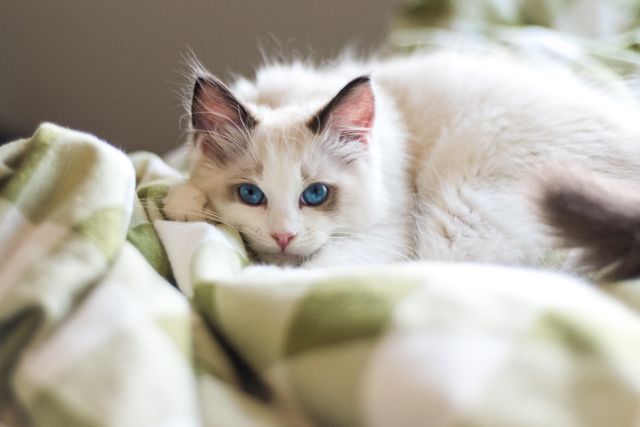
The classic early flu look: dull eyes, damp nose, low energy. For general observation, not diagnosis.
The classic picture: sneezing fits, a runny nose, weepy or sticky eyes, a rough voice or lost miaow, dullness, and a cat off its food. The appetite clue is mechanical: cats eat with their noses first, and a blocked nose makes food invisible.
Mouth ulcers, drooling or reluctance to eat despite interest points at calicivirus. Thick green discharge means bacteria have joined the party. And breathing that is laboured rather than just snuffly moves this from nursing to emergency.
Warmth, rest and fluids, the same as human flu. Wipe the nose and eyes clean with damp cotton wool so the patient can smell and see. Steam helps enormously: ten minutes in the bathroom while a hot shower runs loosens everything.
Tempt the appetite with strong smelling food, warmed slightly: sardines, warmed chicken, favourite wet food. A cat that eats and drinks is a cat winning. Keep the patient separated from other cats, and wash your hands between animals like it is 2020 again.
The two flu viruses divide the territory: herpesvirus owns the eyes, ulcerating corneas and flaring for life from its hiding place in the nerves, while calicivirus owns the mouth, blistering tongues and gums and occasionally lending kittens a brief limping fever. Sneezes and snuffles are shared property.
Reading which author leads changes the nursing: streaming sore eyes push you to the eye playbook and prompt vet checks for ulcers, while drooling and food refusal push you to soft warmed meals and pain relief. Many cats host both, which is why the picture blurs.
Recovery from cat flu is not quite goodbye. Herpesvirus stays for life and can reactivate under stress; calicivirus can keep shedding for weeks or months after the sneezing stops. Most carriers live perfectly normal lives, but the biology matters at the pinch points: introducing a new kitten, boarding, breeding decisions.
The practical translation is timing and honesty: schedule introductions away from stressful upheavals, mention any flu history to catteries and vets, and give a recovered cat a genuinely calm fortnight rather than a busy one. Managing the carrier state is mostly managing stress.
The flu components of the core vaccine are severity reducers, not force fields: vaccinated cats can still catch and carry the viruses, but the difference between a vaccinated and unvaccinated case is routinely the difference between a rough week and a hospital stay. In kittens it can be the difference outright.
That is why a fully vaccinated cat with mild sniffles is not evidence the vaccine failed, and why boosters continue through adulthood: the protection is real, renewable and dose shaped, doing exactly what it says rather than what folklore expects.
Flu viruses open doors that bacteria walk through: a few days in, clear discharge can turn thick, yellow or green as secondary bacterial infection colonises inflamed passages. It is the commonest plot twist in a flu week and the moment the illness often stops being purely nursable.
Colour change, new facial swelling, or a fever that returns after improving are the second wave’s calling cards, and they are precisely where antibiotics, useless against the virus itself, earn their place against the opportunists. Report the change the day you see it; the second wave is very treatable when named early.
In a multi cat home, the sneezing patient gets a room of its own for the infectious stretch: own tray, own bowls, own bedding, door closed, with the humans washing hands between rooms and, ideally, tending the healthy cats first each round. Air and hands are the highways; the protocol closes both.
Misery is not required: the sick room gets the comfortable bed, the extra visits and the warmed meals, so isolation reads as room service rather than exile. A fortnight of discipline typically keeps a one cat problem from becoming a household one.
Most flu is nursed at home; some is not, and the lines are worth knowing cold: any cat not eating for a day, breathing with visible effort or open mouthed, becoming unresponsive or flat, or any very young kitten with flu signs at all, because kittens dehydrate and decline at frightening speed.
Eyes have their own tripwire: squinting, cloudiness or a painful eye during flu is the ulcer alarm from our eye pages, same day, always. The difference between a rough week and a tragedy in this disease is almost always how early the phone was picked up.
The flu appetite strike is usually a nose problem, so the fixes are aromatic: warming food to release its smell, offering the strongest smelling options in the cupboard, hand feeding a morsel to restart interest, and clearing the blocked nose gently before meals so dinner has a chance of being noticed.
What home nursing must not become is force: pushing food into a reluctant cat risks choking and misery, and a cat refusing food beyond a day has crossed into the vet’s territory, where appetite stimulants and proper support exist. Tempt endlessly, force never, escalate on schedule.
Cat flu is a viral illness of sneezes, streaming eyes and lost appetite, dangerous mainly to kittens and the frail. Home nursing wins most cases: warmth, steam, wiped faces and strongly scented warmed food, with the patient isolated from other cats. The emergency lines are absolute: not eating for a day, laboured or open mouthed breathing, a painful or cloudy eye, or flu signs in a young kitten all mean the vet today.
A straightforward case runs one to three weeks, with the worst in the middle and appetite the last thing to fully return. Coughs and intermittent sneezes can linger beyond feeling better, and any decline after improvement is a recheck.
No in both directions: the cat flu viruses do not infect people and human colds and flu do not infect cats. The household’s only precaution is hygiene between sick and healthy cats, not between species.
Flu travels on more than whiskers: recovered carrier cats shed during stress without a symptom in sight, and the viruses ride in briefly on hands, clothes and objects. Indoor living lowers the odds dramatically without quite reaching zero.
Quite possibly: herpesvirus stays for life and can flare under stress, and calicivirus can shed for months after recovery. It matters at the pinch points, new kittens, boarding, breeding, and our herpesvirus guide covers living well with it.
A sensible reset helps, especially with calicivirus in the story: bowls through boiling water, bedding hot washed, litter trays scrubbed, and hard surfaces done with a suitable virucide used to label. The surface campaign section of our calicivirus guide covers the detail.
Sticky eyes have their own chapter in our conjunctivitis guide, and our health basics guide covers the everyday checks that catch things early.
For the full virology, International Cat Care explains herpesvirus and calicivirus separately and clearly, and Cornell Feline Health Center maintains detailed respiratory disease pages. For the science of the main culprit, the feline herpesvirus page goes deep, with its partner covered at feline calicivirus.