
From our colony to your sofa
Bordetella: The Cough That Crosses Species
Kennel cough’s bacterium, perfectly happy in cats.
Last reviewed
Kennel cough’s bacterium, perfectly happy in cats.
Last reviewed
Bordetella bronchiseptica is the bacterium behind kennel cough in dogs, and it is entirely comfortable in cats too. It spreads on sneezes, shared air and shared humans, thriving anywhere animals live at close quarters: catteries, rescues, and multi pet households.
The dog connection matters: a dog fresh from kennels with a hacking cough can pass it to the household cats, and vice versa, which is worth remembering whenever one species starts coughing.
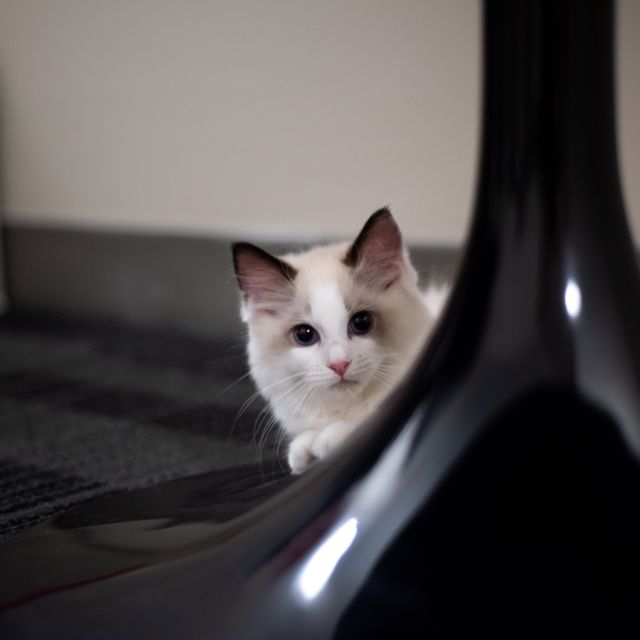
Rest, warmth and easy meals: the home side of respiratory recovery. For general observation, not diagnosis.
Where cat flu leads with sneezes, bordetella leads with the cough: a dry, hacking, sometimes retching cough, alongside sneezing, discharge and a subdued day or two. In healthy adults it usually behaves like a rough cold and clears within a couple of weeks.
Kittens are the concern: in the very young it can descend into pneumonia with frightening speed, so a coughing kitten is never a wait and see.
Confirmed or strongly suspected cases respond to specific antibiotics from your vet, alongside the standard nursing playbook: warmth, rest, steam and tempting food. Adults often clear it with nursing alone; kittens and multi cat outbreaks usually get the medicine.
There is an intranasal vaccine, a couple of drops up the nose, not part of the core set but genuinely useful for cats heading into catteries or living in large groups. Ask your vet whether your setup earns it.
Most cat flu is viral, which is why antibiotics famously do not touch it. Bordetella is the exception in the respiratory line up: a true bacterium, which means the right antibiotic genuinely attacks the cause rather than mopping up afterwards. That is a real advantage when the diagnosis is made.
The complication is company: bordetella often arrives alongside the flu viruses, piling bacterial damage on viral groundwork. In outbreaks that mix is the norm, which is why vets treating a coughing cattery reach for the antibiotic and the nursing playbook together rather than either alone.
Bordetella spreads on shared air, and its maths are the maths of density: more animals per airspace, more stress, more movement of newcomers, more transmission. Catteries, rescues and shows are not careless places; they are simply where the arithmetic concentrates.
The good ones fight the arithmetic deliberately: ventilation designed rather than accidental, spacing between pens, quarantine for arrivals, and vaccination policies for residents at genuine risk. When choosing boarding, asking what happens when a cat starts coughing tells you almost everything about the establishment.
Because the same bacterium causes kennel cough, a dog returning from kennels, day care or a stay in hospital is the classic import route into a cat household. The sensible protocol costs nothing: a fortnight of watchfulness after any kennel stay, separate water bowls while any animal coughs, and hand washing between coughing patient and everyone else.
If the dog does start hacking, the cats do not need panic, just distance and observation, with the kitten rule in force: any cough in a young kitten during that window is a same day call, not a wait.
Bordetella moves on droplets: coughs and sneezes seed the air and the surfaces of a shared space, and close quarters do the rest. It also passes on direct nose to nose contact and briefly on bowls and hands, which is why outbreaks map so neatly onto shared airspaces, the pen block, the show hall, the multi pet kitchen.
The practical translation is that distance and airflow are genuine medicine: a coughing animal given its own room and its own bowls, with the house ventilated, is an outbreak already half contained. None of it requires heroics, just the discipline of treating air as the route it is.
A vaccine against bordetella exists for cats, given as drops into the nose, and it is a targeted tool rather than a core jab: practices reach for it for cats heading into genuinely high pressure settings, dense boarding, rescue and group environments, or households with recurring trouble. For the average home cat the core course remains the priority and this one is usually unnecessary.
Whether it earns a place for your cat is exactly the kind of judgement a vet makes with your lifestyle in front of them, so raise it before a boarding heavy year rather than after a bad one. Protection planned with the professional is the recurring moral of this library, and it applies squarely here.
Treated bordetella usually turns within days: brighter cat, better appetite, quieter nights. The cough itself often outstays the bacterium, a dry residual tickle that can rumble on for a couple of weeks as inflamed airways settle, which is normal and not a sign the antibiotics failed.
The line to watch is direction: a lingering cough that is softening week on week is healing, while one that deepens, wets or brings back lethargy and food refusal is a recheck. And the course finishes regardless of how well the patient looks, because half treated bacteria are the sequel nobody wants.
You do not have to diagnose anything at home, but describing the pattern well genuinely helps the practice triage: bordetella tends to lead with coughing, a dry hacking that owners sometimes mistake for a stuck hairball, while the flu viruses lead with sneezing, streaming eyes and a blocked nose. Mixed pictures are common, because mixed infections are.
Note when it happens, after excitement, at night, around eating, whether anything comes up, and how the appetite is holding. Thirty seconds of observed detail on the phone often decides between advice, an appointment and an urgent slot.
Bordetella is the bacterial member of the cat flu gang: a dry hacking cough leads, antibiotics genuinely work, and the same bacterium causes kennel cough in dogs, which is how it often enters mixed households. Isolation, ventilation and separate bowls contain it; the full course finishes regardless of how well the patient looks; and any coughing kitten, or any cat coughing with laboured breathing, is a same day veterinary call.
It is a close relative of a human pathogen, and documented cases are rare and almost always involve significantly immunocompromised people. Ordinary hygiene covers ordinary households; where someone is immune suppressed, mention the diagnosis to both your vet and their doctor.
Shedding can continue for weeks after the cough fades, occasionally longer, which is why reintroduction to group settings is a conversation with your vet rather than a calendar guess, and why bowls and bedding stay separate a while beyond the last sneeze.
The core flu vaccines cover the viral causes, not this bacterium, and even the specific bordetella vaccine reduces rather than abolishes disease. A cough in a fully vaccinated cat is therefore still a real symptom that deserves its vet visit.
Yes: the same bacterium sits behind classic kennel cough, and a dog fresh from kennels or day care is the textbook import route. The mixed household protocol in this guide exists for exactly that fortnight.
Ask the cattery directly what their outbreak protocol is: isolation, ventilation and admission policy. A good facility answers in specifics, and if the stay is optional and the outbreak active, delaying is the low risk choice your vet will usually endorse.
Cough versus hairball is untangled in our lungworm guide, the nursing rules live in cat flu, and when breathing itself changes, read pneumonia now.
Beyond our library, International Cat Care explains kennel cough in cats with owner friendly clarity, while Cornell Feline Health Center supplies the clinical depth. And to see the culprit itself, the Bordetella bronchiseptica page holds the photographs and the microbiology.