
From our colony to your sofa
Winter Cold & Hypothermia
The cold season’s hazards, and warming done safely.
Last reviewed
The cold season’s hazards, and warming done safely.
Last reviewed
Cats read as winter proof, all that fur, and mostly are, indoors. The season’s real dangers are specific: genuine hypothermia in trapped, wet or tiny cats, antifreeze’s sweet lethal puddles, engine bays used as heated bedrooms, and the quieter indoor issues of stiff joints and stir craziness. Each has a simple counter.
A dry, healthy adult Ragdoll shrugs at a chilly house and a brief cold catio session: the double coat is genuine equipment. The limits arrive with wetness, which collapses fur’s insulation, with wind, with time, and with the vulnerable, kittens, seniors, the thin, the unwell.
Translate that into policy: no vulnerable cat overnights anywhere unheated, catio access in freezing spells is open door and optional rather than shut out, and any cat that gets soaked in winter is towelled and warmed rather than left to sort itself. The coat helps those who stay dry.
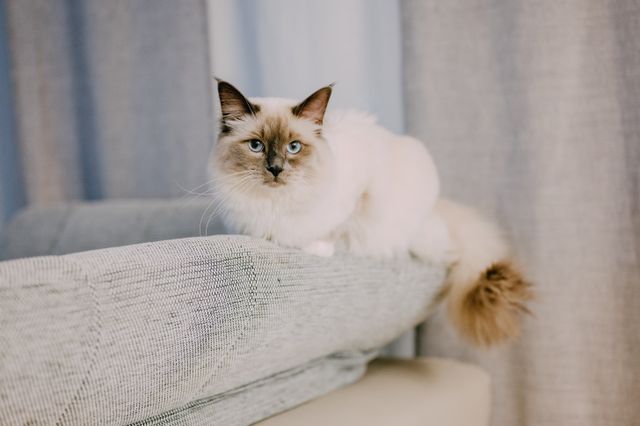
Early hypothermia is loud enough to read: shivering, cold ears and paws, hunching over tucked feet, seeking warmth urgently, moving stiffly. The dangerous stages go quiet: shivering stops, lethargy deepens, gums pale, breathing and heart slow, and a cat may seem eerily calm.
The quiet stage is the emergency: a cold, floppy, unresponsive or barely responsive cat is a wrap and go situation with the practice phoned from the road. Mild cases warm at home under supervision; anything past shivering has left home territory.
Safe warming is gradual and layered: a dry towel rub if wet, then blankets warmed on a radiator, a wrapped warm, not hot, water bottle against the body never bare skin, in a draught free room, with warmed food and water offered once alert. The target is steady recovery, not speed.
The banned list matters: no hairdryers on cold cats, no unwrapped heat sources, no hot baths, all of which burn numbed skin or shock a slowed circulation. And a cat warming at home who stays dull, wobbly or cold to the touch after a genuine effort goes in regardless.
Ethylene glycol antifreeze is winter’s cruellest hazard: it tastes sweet, spills in driveways and garages, and tiny licks destroy feline kidneys with brutal speed. Early signs mimic drunkenness, wobbling, vomiting, thirst, then apparent recovery before the kidney stage lands.
Treatment only works early, hours matter, so any suspected exposure is an immediate emergency with no wait and see permitted. Prevention is storage discipline and spill hygiene: bottles sealed high, spills flushed thoroughly, and pet safer products chosen where they exist.
Warm engines are irresistible bedrooms to cold cats, yours or the neighbourhood’s, and the morning start is the tragedy mechanism. The counter costs two seconds: bang the bonnet or beep the horn before starting on cold mornings, and glance beneath for sheltering bodies.
The habit belongs to every driver in a cat owning street, not just cat owners, so it bears mentioning to neighbours in cold snaps. Garage doors left ajar in freezing weather deserve a check before closing too; winter shelters seekers everywhere.
The indoor cat’s winter issues are gentler: arthritis stiffens in the cold, so seniors earn draught free beds, radiator hammocks, and steps to favourite perches; and shortened days plus housebound humans reshuffle routines that cats notice keenly.
Boredom is winter’s quiet complaint, and the fix is the enrichment playbook run deliberately: scheduled hunts, puzzle feeding, window bird theatre with a heated view seat. A busy warm winter cat sails to spring; an idle chilly one invents hobbies nobody enjoys.
A winter catio works on choice: the door open for supervised sorties, shelter and dry bedding out there for the brave, water kept unfrozen, and the cat deciding its own dosage. Most Ragdolls take short crisp patrols and return to the radiator with news.
Watch paws and salt: road grit and de icers irritate and poison via grooming, so paws get wiped after gritted ground contact, and pet safe de icers serve your own paths. Snow itself is harmless entertainment in sensible doses, and photogenic beyond argument.
Kittens lose heat with cruel efficiency: small bodies, thin coats, no reserves, and in the neonatal weeks no working thermostat at all, which is why chilling is the classic first domino in fading kittens. Warmth is not comfort for kittens; it is life support.
Household policy is simple: kittens live in genuinely warm rooms, beds off cold floors and out of draughts, heat sources safely available in cold snaps, and any kitten found cold and dull treated as an emergency, warmed gently on the way to the phone call. Our newborn shelf covers the nursery version in depth.
Dry cats handle British winters well; wet, trapped, tiny and elderly ones do not. Read hypothermia by the shift from shivering to ominous quiet, warm gently with wrapped warmth and never hairdryers or hot water, and treat cold floppy cats as emergencies. Antifreeze is a lethal emergency at the first wobble, bonnets get knocked on cold mornings, kittens get genuine warmth as life support, and the indoor winter runs on warm beds and scheduled play.
Ordinary heated home temperatures suit cats fine, with warm refuge spots mattering more than the thermostat number. Seniors and kittens appreciate the warmer end and draught free beds.
Happily, in supervised doses: dry cold with a dry coat is well within the equipment. Towel dry afterwards, wipe gritted paws, and let the radiator complete the adventure.
A wet cat in wind chills dangerously in well under an hour; a dry sheltered adult withstands far longer. Wetness is the multiplier that changes everything.
Quality pet specific heated beds with thermostats are designed for it; improvised heat pads and human electric blankets are not. Buy the proper item and follow its instructions.
Wobbling as if drunk, vomiting and thirst within hours of exposure, sometimes settling deceptively before the kidney stage. Any suspicion is an immediate emergency; bring the product name if known.
Indoor cats mostly do not, and winter weight gain is the commoner problem; genuinely outdoor active cats may earn a little more. The monthly weigh answers it per cat.
A dry shelter, unfrozen water and a bonnet knock are kindnesses that cost little. Persistent strays in freezing weather deserve a call to local rescues, who know the options.
Shivering is the body actively fighting; its cessation in a still cold cat means the fight is being lost. It is the clearest single marker that home warming has become hospital business.
Tails and flames share rooms badly: guards on burners, candles out of patrol routes or flameless. Singed whiskers are the warning most households get once.
Central heating blurs the seasons, so many indoor cats shed lightly year round instead of dramatically twice. The comb schedule follows the coat you actually see, not the calendar.
Blankets, a pet safe microwavable heat pad or wrapped bottles, torches, and the usual food and water reserves. Cats join the humans in the warmest room and mostly enjoy the novelty.
The summer opposite of this page lives in summer heat, senior warmth arrangements in the senior guide, and the winter boredom cures in play and enrichment.
For deeper reading, International Cat Care covers cold weather care, and the PDSA publishes winter pet safety guidance including antifreeze awareness.