
From our colony to your sofa
Ticks: Finding & Removing Them Safely
Garden season reading for outdoor time, catios and harness walks.
Last reviewed
Garden season reading for outdoor time, catios and harness walks.
Last reviewed
Ticks are small spider relatives that sit on long grass and vegetation waiting for something warm to brush past. They attach, feed slowly for days, and swell from a sesame seed to a grey baked bean as they fill.
Cats with garden access, catio time near planting, or harness walks through grass are the usual customers, and tick season in Britain runs roughly spring to autumn with mild winters stretching it further.
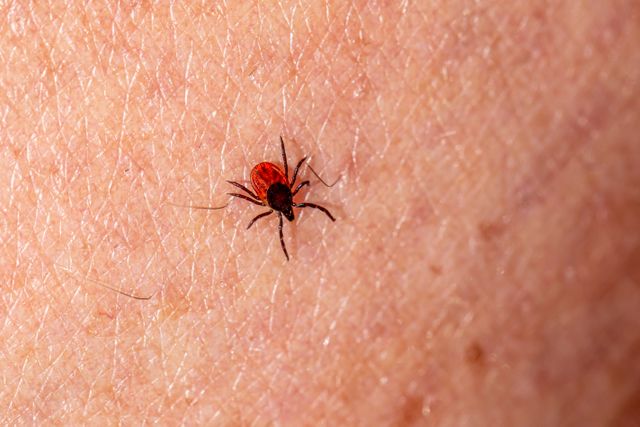
After outdoor time, run your hands slowly through the coat with light pressure, feeling for small firm bumps that were not there before. Concentrate on the head, ears, neck, armpits and between the toes, the places cats cannot easily groom.
A newly attached tick is tiny and easy to mistake for a skin tag or scab, so look closely at anything new: a tick has legs at the skin end and a smooth swollen body. Never assume a lump is nothing during tick season.
Use a proper tick twisting tool, a couple of pounds from any vet or pet shop and worth fifty times that. Slide the fork under the tick at skin level, twist slowly in one direction, and it releases whole in two or three turns.
Do not pull straight, squeeze the body, or reach for the old folklore of burning or smothering with Vaseline. All of those risk leaving mouthparts behind or squeezing the tick’s stomach contents back into your cat, which is exactly how disease transmission happens. Clean the site afterwards and keep an eye on it for a few days.
Once the tick is out, note the date somewhere you will find it again. A small firm lump at the site for a week or two is normal healing; a site that spreads, weeps, grows hot or clearly bothers the cat is not, and earns a vet look.
The diseases ticks can pass need time to show themselves, usually days to weeks, which is why the date matters. Lethargy, fever, limping that moves between legs, swollen glands or appetite loss in the weeks after a known bite deserve a vet visit with the tick story told up front. Tick borne disease is far less common in British cats than in dogs, but less common is not never, and the cats that do get it are usually the ones whose owners waited.
Ticks do not drop from trees; they climb grass stems and wait with their front legs outstretched, a behaviour with the wonderful name of questing. Long grass margins, bramble edges, bracken and anywhere deer, hedgehogs or sheep pass through are the prime spots, and spring and autumn are the rush hours, though mild winters increasingly blur the calendar.
The practical version: keep grass short where your cats actually go, especially around a catio, site log piles and wild corners away from cat territory, and make the fingertip check a habit after every harness walk through anything taller than a lawn. A tick found within its first day of attachment has had very little time to pass anything on, which turns a simple habit into genuine protection.
A tick moment goes far better with the kit already in the house: a twisting tool in two sizes living in the first aid box, a decent torch, and somewhere agreed to write the date down. Fumbling with tweezers at ten at night is how mouthparts get left behind.
It is also worth telling your groomer, if you use one, that you want any lump reported rather than quietly worked around, and giving every household adult the thirty second demonstration of the twist. The removal is genuinely easy; it just should not be learned live.
Cats collect fewer ticks than dogs walking the same ground, and the difference is the tongue: fastidious grooming removes many ticks before they attach. The shield has gaps though, exactly where tongues cannot reach, the head, ears, chin and neck, which is why attached ticks cluster there.
The gap map writes the check: after garden and catio days in tick season, fingertips trace the skull, ear bases, jawline and collar zone feeling for the small smooth lump that was not there yesterday. Thirty seconds, coffee still in the other hand.
British ticks can carry disease, Lyme borreliosis most famously, though cats develop illness far less often than dogs or humans. Rarer threats headline the news periodically as tick ranges shift, which is reason for calm vigilance rather than alarm.
The practical translation: prompt correct removal keeps transmission risk low, since many pathogens need many hours of attachment, and any vague illness in the weeks after a known tick, lethargy, fever, lameness, joins that history in the vet’s notes. Keep a removal date somewhere findable.
The twisting tool works on a simple principle: slide the fork under the tick at skin level, rotate slowly without pulling until the tick releases, usually two or three turns, then lift away whole. No squeezing of the body, which injects the tick’s contents backwards, and no yanking, which leaves mouthparts behind.
Drop the tick in alcohol or tape it to paper with the date, clean the site, wash hands, done. Tweezers used flat against the skin manage adequately in a pinch; fingers, flames, vaseline and nail polish belong to folklore and make everything worse.
PDSA vet Fran shows how to remove a tick from a dog or cat with a proper tick tool, twisting rather than pulling so no mouthparts stay behind. It is the removal method this guide describes, and worth watching once before you ever need it in a hurry.
Watch on YouTube PDSA, Pet Health Advice
Ticks are hitchhikers from long grass and garden edges, found as a growing grey bean fixed to skin, often around the head and neck. Removal is a proper tick twister and a steady twist, never fingers, squeezing, burning or smothering, which push infection in. Cats groom off many ticks before attachment, but checks after outdoor time still matter in season. Watch the site after removal, keep the tool in the kit drawer, and vet grade prevention covers cats where ticks are a regular feature.
A smooth grey brown lump from match head to baked bean size as it feeds, often mistaken for a wart or skin tag, legs visible at skin level on close inspection. Warts do not appear overnight; ticks do.
No: dab with antiseptic and monitor. The site typically pushes remnants out like a splinter over days; growing redness, swelling or discharge upgrades it to a vet look.
Ticks are opportunists rather than commuters: they attach, feed and drop rather than transferring pet to pet. A shared garden means shared exposure, which is the actual household risk to manage.
Only ever cat specific products, some dog tick collars are lethally toxic to cats, and collar safety in general is a conversation for your vet. Many households land on spot on preventives instead.
Poorly: the species that trouble cats want humid vegetation, not carpets, and an escaped tick indoors rarely prospers. The battlefield is the garden and beyond, not the living room.
Routine testing is rarely useful for a well cat; the better habit is dating the removal and watching the fortnight after. Illness in that window, plus your dated note, tells the vet exactly what to consider.
Fold the check into what the cat already permits: chin scratches that drift along the jaw, ear rubs that read the bases, stroking that trails the collar line. Distributed over a fuss session, the whole map gets covered.
Ticks and fleas share a season, so pair this with our flea guide, and our catio guide covers making outdoor time safer by design.
For the deeper science on ticks, ESCCAP maps UK tick species and risks in detail, while International Cat Care covers safe removal with photographs. More photographs of ticks at every life stage: the tick page shows them all.