
From our colony to your sofa
Ear Infections: Beyond the Mites
The shake, the smell, and why the otoscope decides.
Last reviewed
The shake, the smell, and why the otoscope decides.
Last reviewed
Not every troubled ear is a mite ear: cats get true ear infections, otitis, where yeast or bacteria colonise the canal, and the treatment is entirely different from mite drops. The signature is one sided misery: shaking, scratching, a head tilted toward the sore side, and a smell you notice from a cuddle away.
The feline ear canal is a warm, waxy cul de sac, and when its balance tips, resident yeast or bacteria bloom into infection: the canal reddens and swells, discharge builds, brown and musty for yeast, yellow and fouler for bacteria, and every head shake sprays misery.
Infections are usually secondary, something tipped the balance first: mites, allergies, a polyp, water in the canal, or over enthusiastic cleaning. That is why treating the infection without asking what invited it is how one sore ear becomes a career.
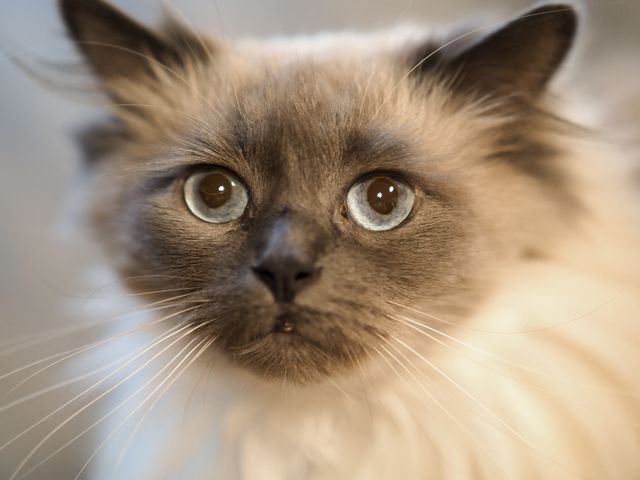
The home reading is simple pattern work: mites usually strike both ears with dark dry crumbs; infections often favour one ear with moist discharge and genuine smell. An ear held low or a head tilted, warmth to the touch, and pain when the base is rubbed all vote infection.
What the home reading cannot do is prescribe: yeast and bacteria need different medicines, and a burst eardrum, invisible from outside, changes which drops are even safe. The pattern gets you to the vet informed; the otoscope and a swab do the rest.
An infected canal is swollen, painful and often blocked with debris, and somewhere at the bottom sits an eardrum that may or may not be intact. Cotton buds compact debris against it; vigorous flushing through a perforation can injure the middle ear. This geography is exactly why the first proper clean happens at the clinic.
Once the vet has visualised the drum and cleared the canal, home care becomes safe and simple: prescribed drops onto clean skin, the base massaged, the course finished. Ears are delicate plumbing, and the plumber goes first.
Treatment matches the swab: antifungal preparations for yeast, antibiotics for bacteria, often with an anti inflammatory to shrink the swollen canal and give medicine room to work. Comfort improves within days; the canal takes longer to normalise than the cat takes to feel smug.
The recheck matters more with ears than almost anywhere: canals hide persistent infection under improved behaviour, and stopping early breeds the recurrent, resistant ear every vet dreads. The course runs to the otoscope’s all clear, not the household’s impression.
Young cats own a particular plot twist: inflammatory polyps, benign growths that arise near the middle ear and can block the canal or the back of the throat, producing recurrent one sided ear infections, noisy breathing or a head tilt in a cat barely out of kittenhood.
Polyps do not respond to drops because they are architecture, not infection: diagnosis is the vet’s deep look, sometimes under sedation, and treatment is removal, usually curative. A young cat’s ear that keeps failing treatment has earned the polyp question by name.
An ear that reinfects every few months is not unlucky; it is unexplained: repeat offenders usually have an underlying driver, allergy above all, sometimes narrow canals, occasionally a middle ear reservoir behind the drum reseeding the canal.
The recurrent case earns the deeper workup: allergy investigation, imaging where indicated, sometimes referral. It costs more than another bottle of drops and less than years of them, and it is how the cycle actually ends. Any second infection in the same ear should raise the why question aloud.
Feline ears mostly self manage, and prevention is restraint plus surveillance: no routine poking, no cotton buds ever, cleaning only with vet approved solutions when the vet has advised it, and bath or flea rinse water kept out of ears with a gentle hold of the flap.
Surveillance is the monthly ten second glance built into grooming: healthy canals look pale pink and quiet with modest pale wax. A change in colour, quantity or smell is the earliest chapter of every ear story, and readers of early chapters get short books.
Good news first: Ragdolls carry no special ear curse, with their upright, well ventilated ears among the easier designs in the cat fancy. Their coat contributes only at the fringes, where fluffy ear furnishings can hide early debris from a casual glance, which the monthly check defeats.
The breed’s real contribution is temperament: most Ragdolls tolerate ear inspection and drops with famous patience once introduced kindly, which makes both prevention and treatment easier here than in most breeds. Start handling ears in kittenhood, as we do, and the whole subject stays administrative.
PDSA vet nurse Shauna demonstrates ear cleaning in nine simple steps, starting with the one that matters most: check with your vet first, because an infected or mite ridden ear may need medication before anything goes in it. It is the aftercare skill this guide describes, shown on a real cat.
Watch on YouTube PDSA, Pet Health Advice
Cat ear infections are yeast or bacteria blooming in the canal: usually one sided, moist, smelly and painful, unlike the dry dark crumbs of mites. The vet’s otoscope and swab choose the medicine, the first deep clean is professional, the course runs to the recheck, and any repeat offender ear earns a hunt for the underlying cause, allergy above all. Monthly glances keep the whole subject short.
Mites favour both ears with dark, dry, coffee ground crumbs; infections favour one ear with moist, smelly discharge. The otoscope settles it definitively in seconds, which is why guessing is never worth it.
No: the wrong class of drops feeds the other organism, and some medicines are unsafe if the eardrum is damaged. Every new ear episode earns its own examination.
True yeast and bacterial otitis is not meaningfully contagious; it is one cat’s canal chemistry gone wrong. Mites, the great imitator, are highly contagious, one more reason to get the diagnosis named.
Healthy ears barely smell; musty means yeast, foul means bacteria, and either means an appointment. Smell is the single most reliable home clue this page has to offer.
Uncomplicated cases typically run one to a few weeks of drops with a recheck to confirm the canal is truly clear. Deep or recurrent cases run longer, which is the price of ending them properly.
Untreated chronic infection can damage hearing structures, and middle ear involvement can also disturb balance. Treated promptly and fully, almost all ears recover completely, which is the entire case for promptness.
Trouble can sit deeper than a home view reaches, in the lower canal or middle ear, and dental or skin pain can mimic ear signals. Persistent shaking with clean looking ears is still a vet visit; absence of visible dirt proves little.
Violent head shaking can burst a blood vessel inside the flap, ballooning it like a small cushion: it needs veterinary drainage and, crucially, treatment of whatever caused the shaking. It is the ear complaint’s loudest complication.
No: healthy feline ears are self cleaning, and routine solutions or wipes disturb the balance that protects them. Clean only when your vet prescribes it for a named reason.
Slightly, mainly through fewer water and vegetation adventures, but allergy driven ears strike indoor cats freely. Lifestyle helps at the margins; the monthly glance helps everywhere.
Ears sit alongside ear mites and skin mites on the itchy shortlist, and the monthly once over from our health basics guide is where early ear chapters get read.
For deeper reading, International Cat Care covers feline otitis and safe ear care, and the PDSA publishes owner friendly ear infection guidance.