
From our colony to your sofa
Hyperthyroidism: The Racing Engine
The hungry, thin, busy senior, and the disease with a cure.
Last reviewed
The hungry, thin, busy senior, and the disease with a cure.
Last reviewed
Hyperthyroidism is the great impostor of feline old age: an overactive thyroid floods the body with metabolic accelerant, and the classic patient is a senior eating like a horse while shrinking, busy, vocal and restless when their peers are napping. It is common, very diagnosable, and stands almost alone among senior diseases in having a genuine cure.
The thyroid glands in the neck set the body’s idle speed, and in most hyperthyroid cats a benign growth pushes production far past need: every system runs hot, metabolism burning calories faster than any appetite can supply, heart racing, digestion hurried, temperament wired.
The result is the paradox owners notice: an old cat suddenly ravenous yet losing weight, drinking and urinating more, coat unkempt, sometimes yowling at night, occasionally vomiting or producing urgent stools. It reads like uncomfortable youthfulness, and it is disease wearing energy as a disguise.
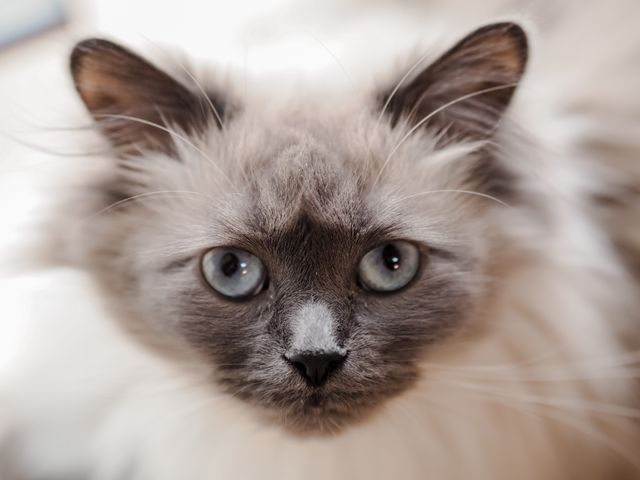
Every sign has an innocent twin: weight loss blamed on age, hunger on habit, night yowling on senility, scruffy coat on stiff grooming joints. Families frequently celebrate the appetite while the scales quietly fall, which is how diagnosis arrives a year late.
The counter is the habit this library repeats: the monthly weigh. A senior eating well and losing weight is one of medicine’s loudest quiet alarms, with this disease at the top of the suspect list alongside diabetes and kidney disease. The scales cannot be charmed by a good appetite.
Confirmation is refreshingly direct: a blood test measuring thyroid hormone, usually folded into the senior panel alongside kidney values, blood count and blood pressure. A raised level plus the classic picture makes the diagnosis; borderline cases get repeat or refined testing.
The companions matter: hyperthyroidism strains hearts and raises blood pressure, and it can mask kidney disease by artificially boosting kidney blood flow, so the full panel travels together. Expect your vet to talk about heart and kidneys in the same consult; that is thoroughness, not mission creep.
The toolkit has four tools. Daily anti thyroid medication controls the hormone reliably and reversibly, tablets or transdermal gel, for life. A prescription iodine restricted diet controls it nutritionally, provided it is the only food eaten, no exceptions, treats included.
Surgery removes the affected glands, curative but requiring anaesthesia and careful case selection. And radioactive iodine, a single injection at a licensed centre that destroys only the overactive tissue, cures the great majority permanently: widely considered the gold standard where available and affordable.
The choice is genuinely individual: medication suits trial periods and households that can pill daily, and is where nearly everyone starts; the diet suits single cat homes with iron feeding discipline; surgery suits selected surgical candidates; radioactive iodine suits cats fit for a licensed centre stay and owners playing the long game.
Costs shape it in practice: daily medication is cheap monthly and expensive over years; radioactive iodine is expensive once and cheap forever. Ask your vet to run both arithmetics for your cat’s age and health; the answer differs at nine years old versus fifteen.
One counterintuitive chapter: the racing thyroid props up kidney blood flow, flattering the kidney values, and successful treatment can unmask kidney disease that was there all along. It is why vets often start with reversible medication and recheck kidneys before permanent cures.
If kidneys do emerge, it is information, not treatment failure: the two diseases are co managed constantly, doses balanced so both organs get their due. The kidney guide next door covers that half; the point here is simply not to be ambushed by the sequence.
Managed hyperthyroid cats transform: weight rebuilds, coats smooth, night yowling quietens, hearts slow toward normal. Monitoring keeps it so, hormone levels rechecked until stable and then periodically, kidneys and blood pressure alongside, doses adjusted by numbers rather than guesswork.
Owners run the home half: doses given consistently, the monthly weigh continued, appetite and thirst watched, and any backslide, weight falling again, the wired evenings returning, reported promptly. It is standard chronic disease housekeeping around a condition that responds gratefully to it.
Untreated hyperthyroidism is not a stable eccentricity: the racing heart thickens and fails, blood pressure damages eyes and brain, muscle wastes to fragility, and the cheerful hungry chaos ends in genuinely hard disease. The kindness of the busy phase is an illusion on a timer.
Every road on this page beats that one, and even frail or elderly patients have workable options, since medication asks little. A hyperthyroid diagnosis is one of senior medicine’s better verdicts: the disease with four treatments, one of them a cure.
Hyperthyroidism makes seniors ravenous, thin, busy and vocal: an overactive thyroid revving every system. The monthly weigh catches it, one blood test confirms it, and the panel checks heart, blood pressure and kidneys alongside. Four treatments exist, daily medication, an iodine restricted diet, surgery, and curative radioactive iodine, chosen by cat, household and arithmetic. Treatment can unmask hidden kidney disease, which is managed, not feared. Treated cats transform; untreated ones burn out. This is the senior disease with a cure.
Overwhelmingly middle aged and senior cats, typically from around ten years onward, which is why the thyroid test lives inside senior blood panels. Young cases exist and are rare.
Almost always a benign overgrowth of thyroid tissue rather than malignancy; the rare malignant version exists and is managed differently. Benign does not mean harmless untreated, hence treatment always.
Frequently, and the thyroid can hide the kidneys until treatment begins: vets sequence reversible treatment and rechecks precisely for this. The two are co managed as standard.
A single injection at a licensed centre, then a stay of days to a couple of weeks while radiation levels fall, then home cured in most cases. Availability and cost vary; ask for a referral conversation.
Anti thyroid tablets are small and many cats take them in treats; a transdermal ear gel exists for refusers. Our medicating guide covers technique; adherence is the whole game with this option.
The energy is a revving engine wearing itself out: heart, blood pressure and muscle pay for the sparkle. Treatment keeps the personality and retires the damage.
Usually and satisfyingly, over weeks to months as metabolism normalises: the monthly weigh charts the recovery. Appetite often calms from ravenous to merely enthusiastic.
The iodine restricted prescription diet genuinely works when it is the only thing eaten, ever: one mouse or treat undoes it. It suits disciplined single cat households and few others.
Thyroid control drifts, especially early: doses follow the recheck bloods until stability, then periodically after. Adjustment is the system working, not failing.
It is one classic cause among several, blood pressure, senility and deafness included: the senior panel and blood pressure check sort them. Yowling plus weight loss points hardest at the thyroid.
Racing metabolism and restlessness leave many patients unkempt and greasy coated, one of the visible tells. Coats smooth again within weeks of control, a satisfying progress marker.
Its fellow impostors live nearby: kidney disease and diabetes share the thirsty, hungry, thinning picture, and the monthly weigh that unmasks all three is built in weight and body condition.
For deeper reading, International Cat Care covers feline hyperthyroidism and all four treatments, and the Royal Veterinary College publishes ongoing thyroid research.