
From our colony to your sofa
Should You Breed From Your Cat?
The honest audit, before nature takes the decision.
Last reviewed
The honest audit, before nature takes the decision.
Last reviewed
It is one of the most natural thoughts in cat ownership: she is beautiful, she is sweet, kittens would be wonderful. As breeders, we understand the pull better than most, and precisely because we do this work, we owe you the honest audit: what breeding actually involves, costs and risks, and why, for the loved family cat, the answer is almost always no.
We are not neutral observers: we breed Ragdolls and Ragcoons carefully and love the work. That is exactly why this page is blunt, because the gap between breeding done properly and kittens just happening is where queens die, kittens fade and rescues fill.
Every kitten we home leaves as a neutered pet under our sales agreement, and families sometimes ask why. This page is the long answer: not gatekeeping for its own sake, but the welfare arithmetic laid out plainly enough to be checked.
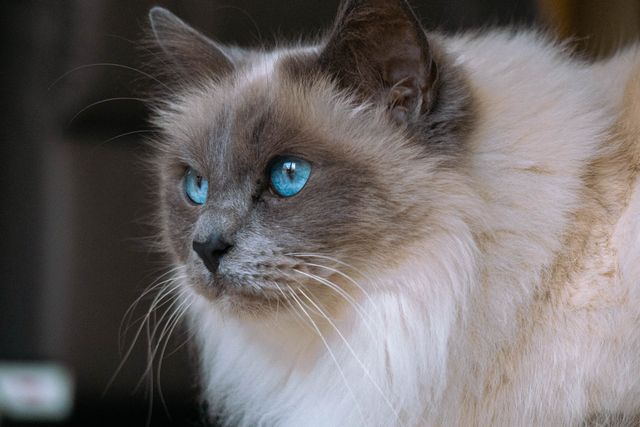
The persistent myths, taken in order: no, a female does not benefit from one litter, there is no health or temperament evidence and veterinary guidance is firmly against it. No, breeding is not easy money, run properly it frequently loses money, as the costs section shows. And no, nature does not just manage: it manages with losses.
Add the quieter myths: that a placid cat will automatically mother well, that a pedigree certificate alone means breeding quality, and that homes are easily found. Rescue statistics answer the last one every year, and the first two are answered in delivery rooms.
Before any mating, the responsible checklist: health testing of both parents, for Ragdolls the heart screening our health testing page describes plus kidney and genetic panels; registration and pedigree study to avoid doubling up faults; a stud chosen for genetics and temperament, not proximity; and the queen herself mature, tested and fit.
Then the infrastructure: a queening room, heat sources, scales, the vet relationship, out of hours funds, and the knowledge in our queening, fading kitten and hand rearing guides, learned before the night it is needed at 3am. The visible litter sits on all of this.
Count it properly: health tests and screening, stud fees, the queen’s extra feeding, scans, registrations, vaccinations and health checks for every kitten, microchipping, quality food for weaning, and the reserve that matters most, the emergency caesarean fund, needed at exactly the moment it cannot be borrowed.
Against that, kitten income arrives only if everything goes well, every kitten sells, and your pricing survives honest comparison with tested, registered, supported breeders. Run soberly, a first litter frequently costs more than it returns, and the losses when things go wrong are not only financial.
The welfare stakes are real: labour can stall into emergency surgery, queens can haemorrhage or develop womb and mammary infections, and eclampsia can strike nursing mothers. Kitten mortality, even in experienced hands, is a known percentage of every season, which is why the fading kitten guide exists.
The emotional ledger matters too: hand rearing orphans two hourly, losing a kitten you delivered, making euthanasia decisions for a fading newborn. We carry those nights as professionals with support and experience; they land far harder on a household that expected a heartwarming project.
Kittens need raising, weeks of socialisation, vet care and cleaning, and then they need homes: vetted, patient, permanent ones, found without undercutting the welfare standards that protect the kittens. Our own kittens stay until thirteen weeks precisely because early homing damages cats.
The uncomfortable question every casual litter must answer: if homes are slow, can you keep five adolescent cats indefinitely? Rescues are full of the litters where the answer was no, and responsible breeders take their kittens back for life, a promise that requires being permanently findable.
Strip it to the audit: Are both parents health tested to breed standards? Do you have the queening knowledge, room and emergency fund today? Can you keep every kitten if homes fail? Will you take every kitten back for life? And is your reason for breeding about the cats rather than the experience?
Five honest yeses describe someone becoming a breeder properly, mentored, registered, prepared, and we genuinely respect that road. Anything less describes a litter that should not happen, and there is no shame in that answer; it is the one most loving owners correctly reach.
For the loved family cat, the kind conclusion is the one this library reaches everywhere: spay or neuter early, close the pyometra and escape chapters before they open, and pour the kitten enthusiasm into the cat you already have, or into a second, properly introduced companion.
And if the pull toward kittens is really a pull toward the work itself, do it properly: join breed clubs, find a mentor, study the health testing, and enter the craft through its front door. We are always happy to talk plainly about what this life involves; that conversation is free, and so is the decision it usually leads to.
The audit is five questions: health tested parents, queening knowledge and an emergency fund in place, the ability to keep every kitten, a lifetime take back promise, and a reason that serves the cats. Five yeses is the proper road, mentored and registered; anything less is a litter that should not happen. The myths fail checking, the sums rarely add up, the risks land on queens and kittens, and the kind conclusion for the family cat is the early spay and the love of the cat you have.
No: there is no evidence for health or temperament benefit, and guidance is firmly against it. It is the most expensive myth in cat ownership.
Papers record ancestry, not suitability: breeding quality means health testing, conformation, temperament and a pedigree studied for what it carries. Registration is the start of the checklist, not the end.
Our kittens are homed as pets under a neutering agreement, so no, and this page is the long form of why. Families interested in the craft itself are always welcome to talk to us about the proper road.
Out of hours surgery runs into four figures, needed at exactly the unplannable moment: it is the reserve every litter must have banked before mating. No reserve, no litter, is the honest rule.
Heart screening for the breed relevant condition, kidney checks and the genetic panels our health testing page details, on both parents, current. Untested parents are the defining mark of breeding done wrong.
Rescues answer this annually with full pens, and even well bred kittens need vetted, patient homes found. The homes question is the one casual litters most consistently fail.
Ring your vet to confirm and plan, read our queening guide as your companion, and let the practice advise on options including spaying where appropriate. Then close the loop afterwards; the spay ends the sequel.
Physically and behaviourally mature, typically well past a year and cycle established, never on a first heat at kitten age. Proper programmes also retire queens kindly; both ends of the career are welfare decisions.
The realities behind the audit live in pregnancy and queening, fading kitten syndrome and hand rearing, the tests in health testing, and the kind alternative in neutering and spaying.
For deeper reading, the GCCF publishes breeding standards and breeder requirements, and International Cat Care covers responsible breeding welfare.