
From our colony to your sofa
Litter Training and Tray Troubleshooting
Tray maths, placement, cleaning, and fixing accidents without blame.
Last reviewed
Tray maths, placement, cleaning, and fixing accidents without blame.
Last reviewed
Here is a secret: you will not really litter train your kitten, because we already did, and their mum did most of it before us. Your job is simply not to undo it. This guide covers the setup that keeps tray habits perfect, and the calm way back when accidents happen.
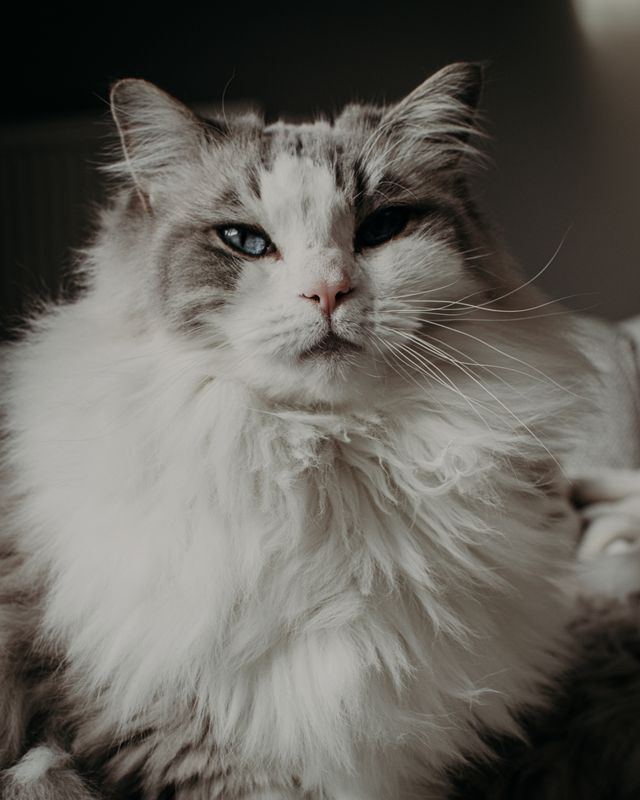
Litter training arrives mostly finished: burying waste is instinct, and a well reared kitten has already served an apprenticeship copying its mother in the nursery trays. Your household’s task is not teaching but logistics, placing an obvious, accessible, appealing tray and letting several million years of programming do the rest.
The settling week routine seals it: show the newcomer the tray on arrival, place them in it gently after meals and naps for the first days, and keep the early territory small enough that the tray is never far. Most kittens have the map memorised within a day.
A missed tray is a message wearing a mess, and the reading order matters: first medical, because urinary discomfort is the classic cause of tray avoidance and a straining, frequent, or crying kitten needs a vet, not a training plan; then logistics, a tray too dirty, too far, too hidden, or ambushed by another pet; then stress, with location as the clue, since puddles by doors and windows often point at outside pressures.
Whatever the reading, punishment is off the table entirely: it teaches only that humans are dangerous around toileting, which drives the behaviour further from the tray, not closer. Clean with an enzymatic product so the scent does not advertise the spot, and fix the cause the forensics found.
The tray settings that quietly govern success: one tray per cat plus a spare, sized generously, a tray about one and a half times the cat’s length lets an adult turn and dig properly, sited in quiet, low traffic spots away from food and water, and never boxed into a dead end where a nervous cat can be cornered.
Continuity does the rest: keep the litter type the kitten was raised on through the settling weeks, and change later, if you must, by gradual mixing, because paws vote conservative. Scoop daily, wash on a schedule, and the tray becomes what it should be, the most boring appliance in the house.
Litter preference is written early and in the paws: the texture a kitten learned on becomes the definition of toilet, and sudden substrate changes can genuinely confuse a small cat’s filing system. It is why our kittens leave with their litter type named in the pack notes.
Honour the memory for the first settled month, then transition brands the slow way if you must: a growing proportion of new mixed into old across a week or two. The paws will follow the familiar feel through the change; they just refuse to be ambushed.
Kitten bladders run on short notice, so tray access is measured in seconds, not rooms: one tray per floor in a multi storey home, none behind doors that swing shut, none beside thundering appliances, and all reachable without crossing the dog’s bed or the busiest corridor.
As the kitten grows the map can consolidate, but the early generosity prevents the accidents that create bad habits. A kitten that has never been caught short is a cat that never learned an alternative to the tray, which is the entire strategy in one sentence.
Cats hold trays to standards that would embarrass some bathrooms: solids lifted promptly and at least daily, clumps removed as found, full litter changes and a warm water scrub on a regular cycle, and no harsh scented cleaners whose perfume lingers in plastic.
The contract is self enforcing: let standards slip and the cat files its complaint on the bath mat. Refusal to use a dirty tray is not spite but hygiene, the same instinct that made cats easy to litter train in the first place, holding you to your side.
Tray hardware divides opinion, feline opinion: covered trays trap odour humans dislike at cat nose height and can make ambush prone cats feel cornered, while open trays feel safer but offer less privacy. Big always beats small; a Ragdoll needs room to turn ceremony into comfort.
Automatic and robot trays add convenience and their own politics: some cats take the machinery in stride, others distrust a toilet that moves. Introduce any hardware change gradually beside the trusted tray, and let usage statistics, not gadget enthusiasm, pick the winner.
Battersea’s behaviour team demonstrate tray placement, litter depth and the privacy cats quietly insist on, matching the logistics section of this guide. Five minutes that prevent most accidents before they happen.
Watch on YouTube Battersea Dogs & Cats Home
You will not really litter train your kitten, because their mum and our trays already did: your job is not to break a pre installed skill. Get the logistics right, one tray per cat plus one, quiet private corners, the litter they already know, and trays on every floor they live on. Accidents are forensics, not naughtiness: check location, health and logistics before blame. Keep the cleanliness contract daily, and choose covered, open or robotic by the cat’s vote, not the catalogue’s.
Rule out logistics first, a moved tray, new litter, a scary appliance, then stress, then health: urinary discomfort classically shows as tray avoidance. A previously reliable cat missing the tray repeatedly is a vet appointment, not a discipline case.
Create privacy with furniture geometry: a quiet corner behind a sofa or a purpose bought screen, away from food, water and floor length windows. Open plan asks for manufactured seclusion rather than exposed placement.
Most cats tolerate them, some hate the crinkle and the claw snag; if digging becomes theatrical or usage drops, bin the liners before blaming the litter. Convenience never outranks the user’s vote.
Around five to seven centimetres suits most cats: enough to dig and bury without potholing to plastic, not so deep that footing feels unstable. Kittens start shallower; depth grows with leg length.
The post toilet zoomies are common, harmless and unexplained by anything better than joy and instinct. Only a cat crying in the tray, straining or racing away repeatedly mid use has said something medical.
The old formula holds: one tray per cat, plus one spare, so a single cat home wants two trays. Place them somewhere quiet with an escape route, never beside food or water, and never in a dead end where a kitten could feel trapped. Kittens need low sided trays their legs can manage, which is exactly why the tray in our kitten pack has a lowered front. Show your kitten the tray locations on day one and after meals, and instinct does the rest.
Kittens should stay on the litter they know first, then any change happens gradually, new mixed into old over a week or so. Cats generally prefer fine, unscented textures underfoot, and strongly perfumed litters please humans rather than cats. Scoop daily, refresh fully each week, and wash trays with hot water and mild soap rather than strong disinfectants, whose smells can put a cat off their own bathroom.
An accident is information, never naughtiness, and punishment only teaches a cat to hide better next time. Ask the questions in order: is the tray clean enough, is it private enough, is there one tray too few, did the litter change, did something scary happen nearby, or is a new pet or visitor rearranging the household politics? Clean accidents with an enzyme based cleaner, because ordinary products leave scent markers that invite a repeat, and we keep a good one on the shop page for exactly these moments.
A cat visiting the tray again and again while producing little or nothing, crying in the tray, or passing blood has a medical problem, not a training one, and in male cats especially that pattern is urgent. The full red flag list lives in our health basics guide, and it belongs in every owner’s memory.
Tray mystery you cannot crack? Tell us the details and we will play detective with you.
For troubleshooting tray problems in depth, International Cat Care and Cats Protection both publish detailed toileting guidance.